

West Hills landscaping
Landscaping questions, answered
What West Hills homeowners ask before the first shovel goes in.
Lots here run larger than the Valley average, so square footage is usually the first thing that moves the number, and grade is the second. Working on a slope takes longer than working on flat ground, and access matters as well, since a back yard a machine cannot reach has to be done by hand. We measure the property and quote the finished scope rather than giving you a rate that grows once we are on site.
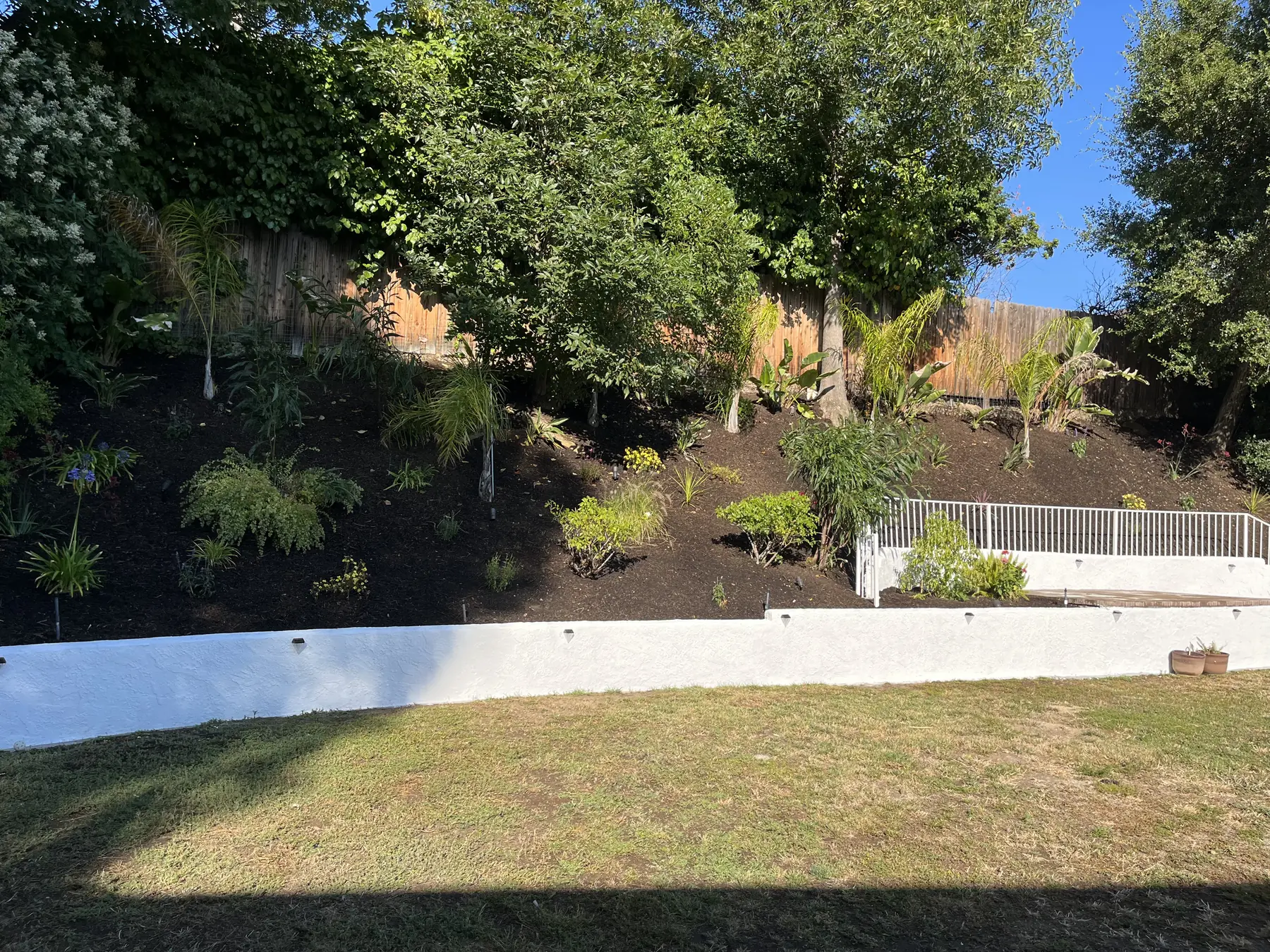
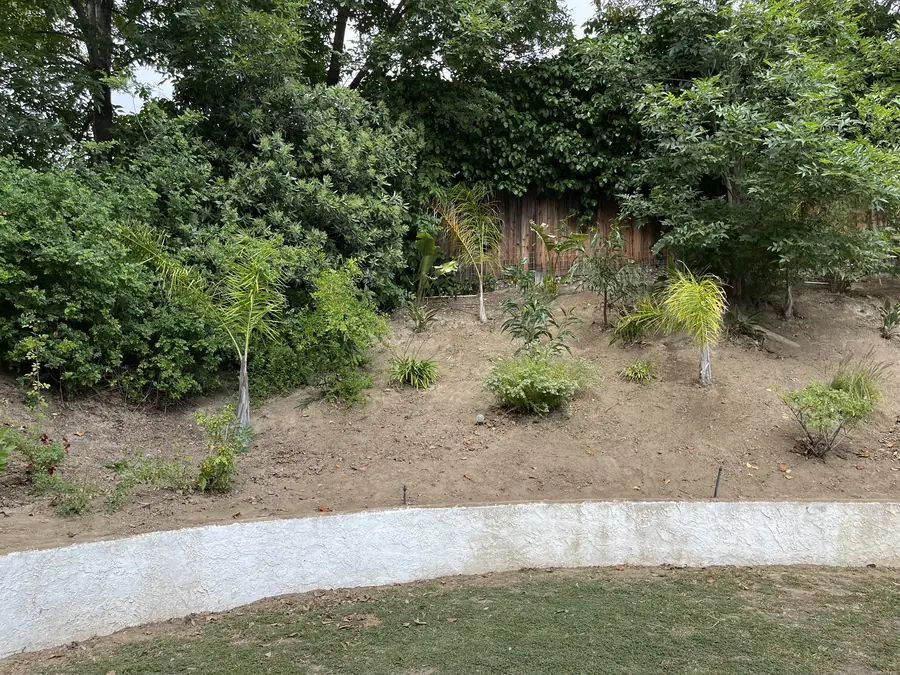
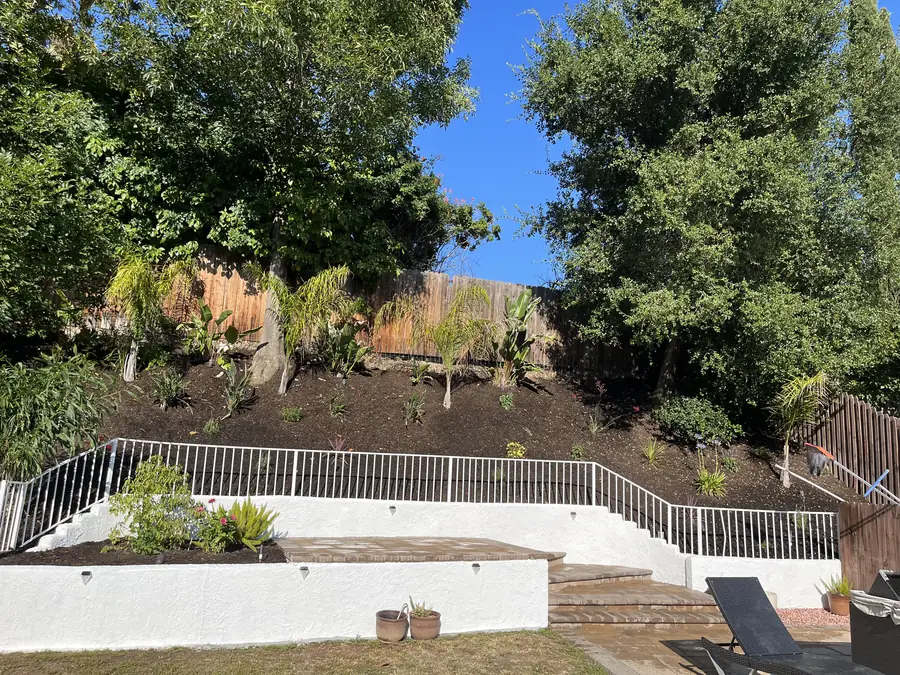
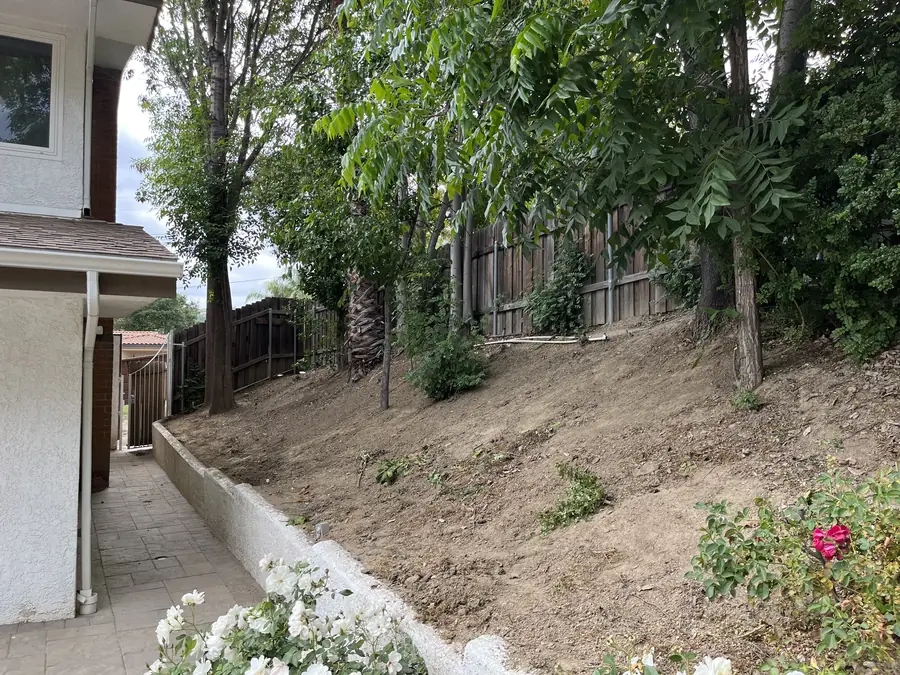
Yes, and the sooner the better, because every storm makes it a bigger job. The approach is layered. Deep rooting plants that actually grip, spaced so they knit together as they fill in. Mulch or a jute netting to hold the surface while roots establish. Irrigation that soaks instead of running off. And terracing or a retaining wall where the grade is simply too steep to hold with planting alone.
Deep rooted, low water, and tough. Ceanothus, manzanita, coffeeberry, toyon, rockrose, ornamental grasses, and rosemary all hold soil and handle the exposure. What does not work is shallow rooted ground cover planted as a quick fix, or ice plant, which gets heavy with water and can actually make a slope failure worse rather than better.
Plenty, it just has to be planned in zones. Closest to the house you want low growing, higher moisture, well spaced planting and non combustible surfaces like gravel or hardscape. Further out, planting gets spaced so there is no continuous fuel path running up to the structure. Fire wise does not mean a bare lot, and we design yards that meet the requirement and still look like landscaping.
We handle clearing as part of a landscaping project, including removing overgrowth, dead material, and the plants that should not be near a structure to begin with. What we then do is replace it with something that stays compliant, because clearing a slope and leaving it bare just means erosion in winter and the same overgrowth again in two years.
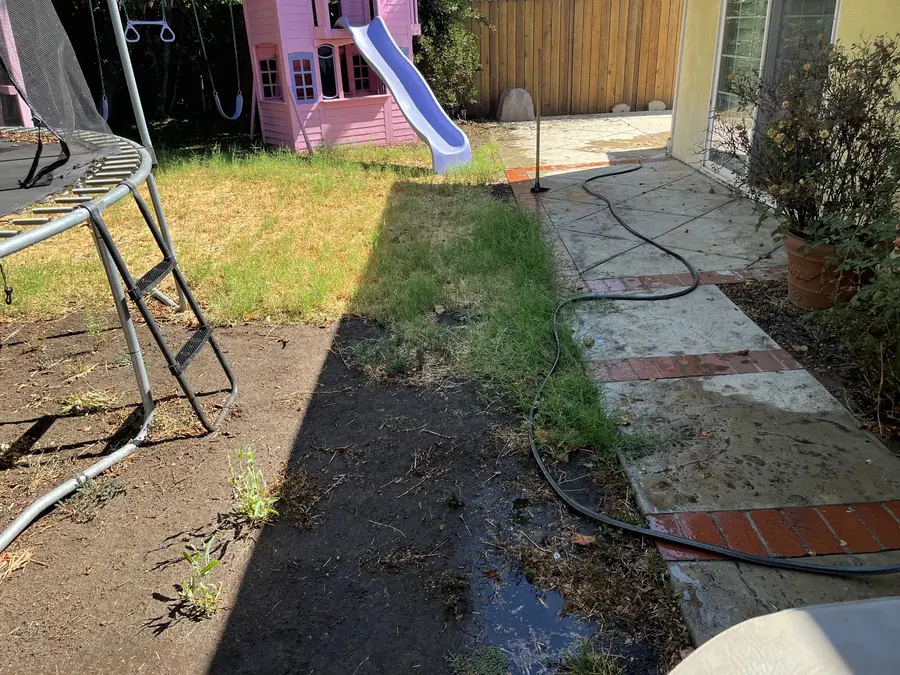
Yes, on a graded lot it is usually the first thing to sort out. Water coming off a slope has to be directed somewhere deliberate, or it finds its own way and takes soil with it. We regrade, add French drains, catch basins, or a dry creek bed that doubles as a landscape feature, and make sure nothing is running toward the foundation.
Slowly. The mistake is spray heads on a grade, which put water down faster than the soil can take it, so most of it runs to the bottom. Drip and low precipitation rate emitters let water go in where it lands. Cycle and soak scheduling helps too, watering in shorter bursts with breaks so it absorbs. We set that up as part of the install and dial it in seasonally.
It is the harshest exposure in the Valley and it dictates the plant palette. Plants that are fine on a shaded north facing lot will scorch on a west facing West Hills slope. We pick for the actual exposure, put the tougher material where the sun lands hardest, and use trees and structures to create the shade that makes the rest of the yard workable.
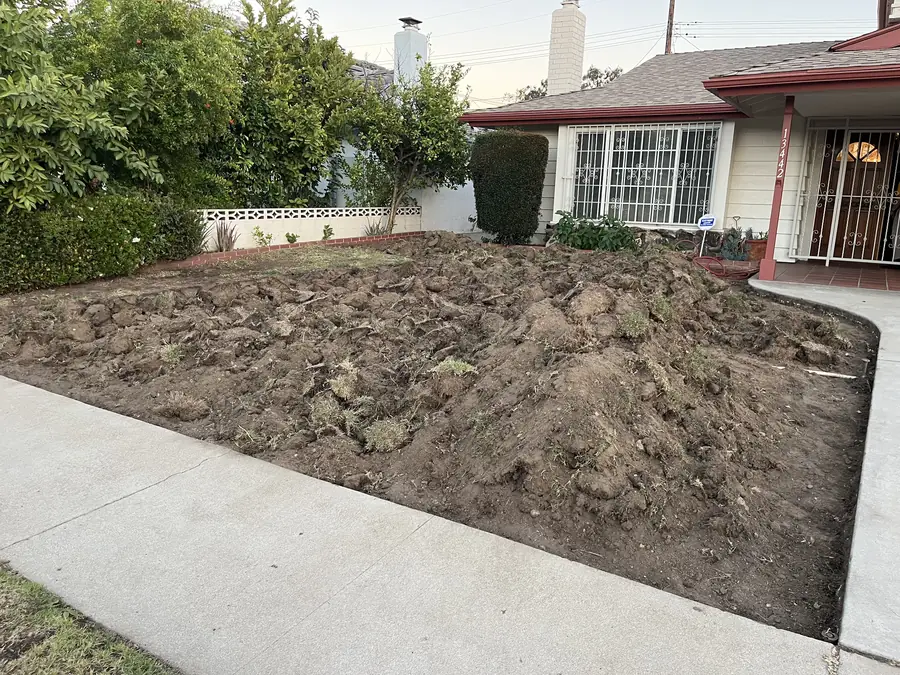
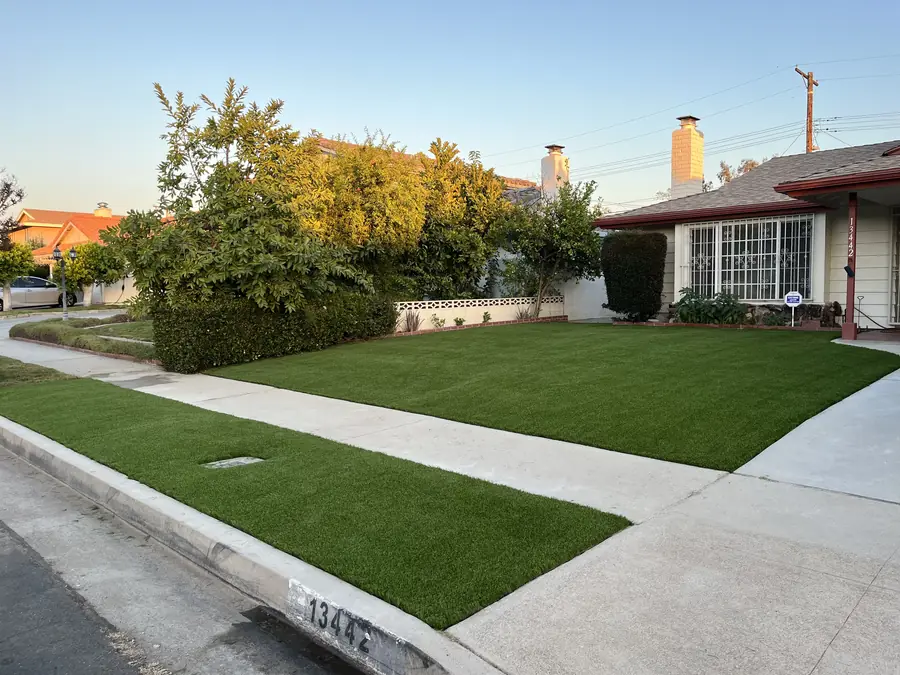
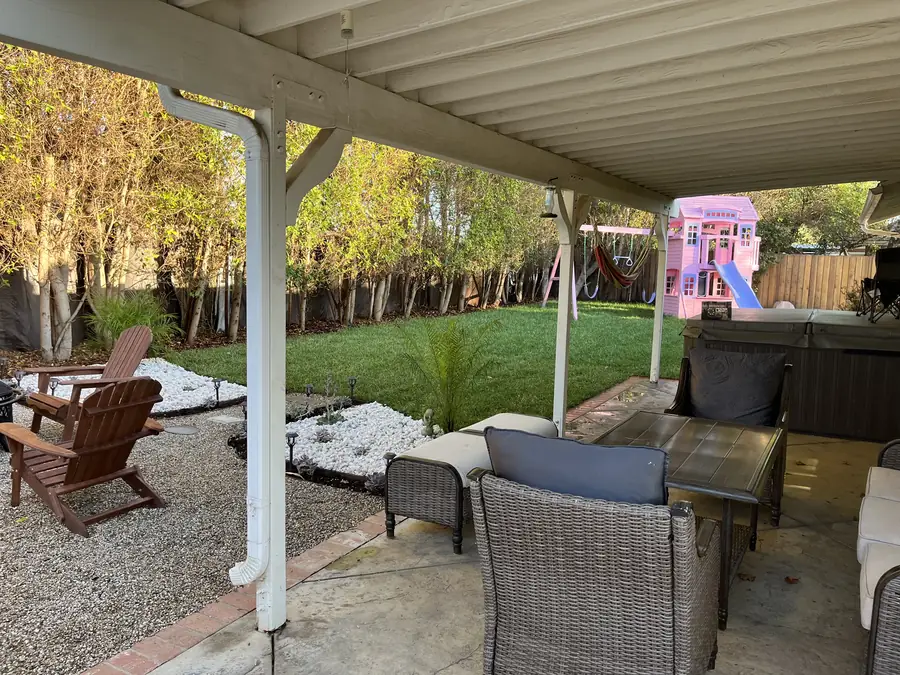
On a big West Hills lot, a full lawn is an expensive thing to keep alive through the summer. Most homeowners here keep a smaller usable green area and convert the rest. That means artificial turf where the kids and dogs actually play, and drought tolerant planting, gravel, or decomposed granite for the areas that were only ever lawn out of habit.
Yes. It suits this part of the Valley particularly well, because the native chaparral palette is what naturally grows on these slopes. Natives, succulents, ornamental grasses, and boulder work give you a yard that belongs to the setting, holds the hillside, and barely touches the water bill once established.
Yes. Demolition, overgrown planting, dead material, old sod, broken concrete, and debris all leave with us, and it is written into the estimate up front. On sloped properties access is the thing that decides how long removal takes, so we look at that during the walkthrough rather than being surprised by it.
Planting, irrigation, and general landscaping usually do not. Retaining walls past a certain height need a permit and often an engineered design, and on a hillside lot with a slope above the wall that threshold matters. We identify what applies to your property at the estimate.
A front yard is usually about a week. A full property with slope work, drainage, and hardscape runs a few weeks. Grade slows everything down, since material has to be moved up or down by hand where machines cannot go, and we build that into the schedule we give you instead of discovering it halfway through.
We can, and on West Hills lots you generally should. Many properties here have oaks and other established trees that are decades old and irreplaceable, and some are protected. We plan around root zones, avoid raising grade over roots, and keep new irrigation from constantly wetting the trunk flare, which is what kills established oaks more often than anything else.
Yes, it is common on bigger lots. The rule is that the whole property gets planned first so grading, drainage, and irrigation happen in the right order. Slope stabilization should come early regardless of budget, because it is the piece that protects everything built afterward.
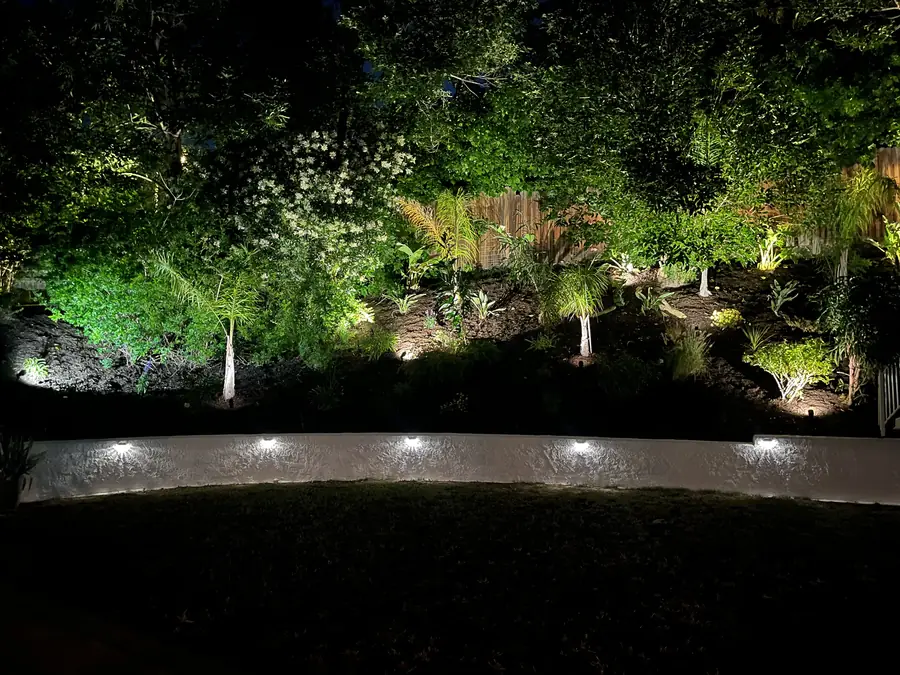
We do. On a sloped lot the two go in together, since both involve trenching the same ground. Lighting a hillside is one of the highest impact things you can do here. See our West Hills landscape lighting page.
It is common on West Hills hillside lots and it is worth sorting out before work starts rather than after. Erosion does not respect a property line, so planting that stabilizes only your half of a slope is doing half a job. We stay inside your boundary unless your neighbor is part of the conversation, and we will tell you plainly where the work will and will not be effective on its own. Plenty of these projects end up going in jointly once both households see the estimate.
We come out, walk the property, look at the grade, the drainage, and the exposure, and talk through what you want and what you want to spend. Then you get a real number. Request a free quote and we will set it up.