
Tarzana
Tarzana landscaping questions, answered
What Tarzana homeowners ask on both sides of the boulevard.
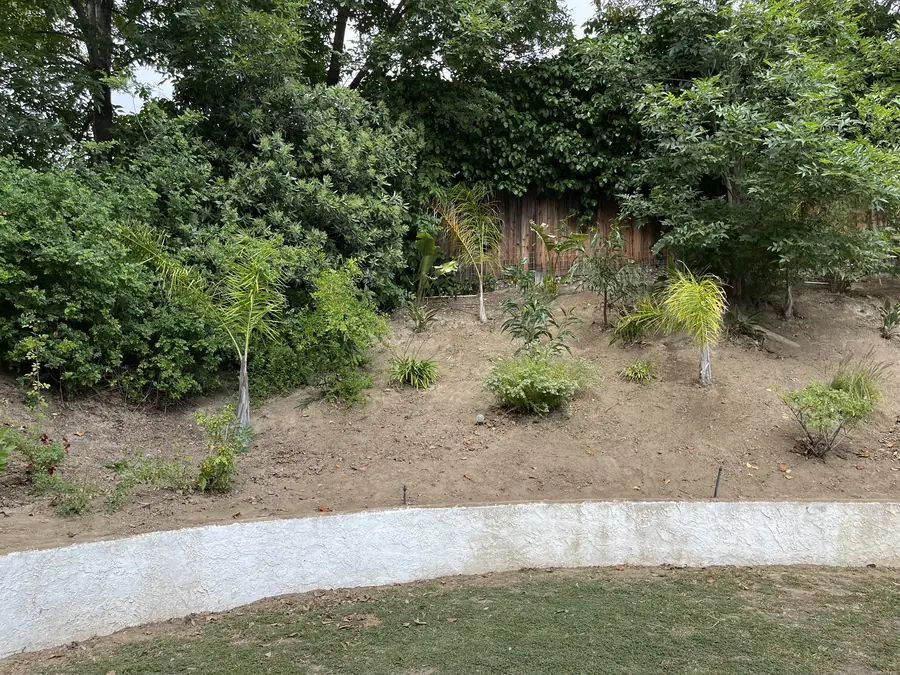
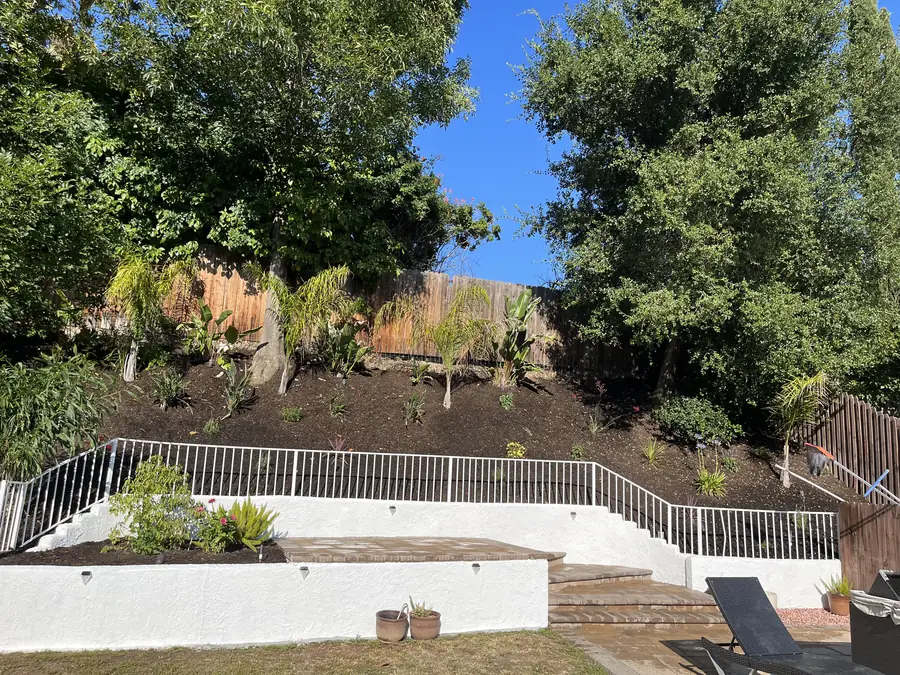
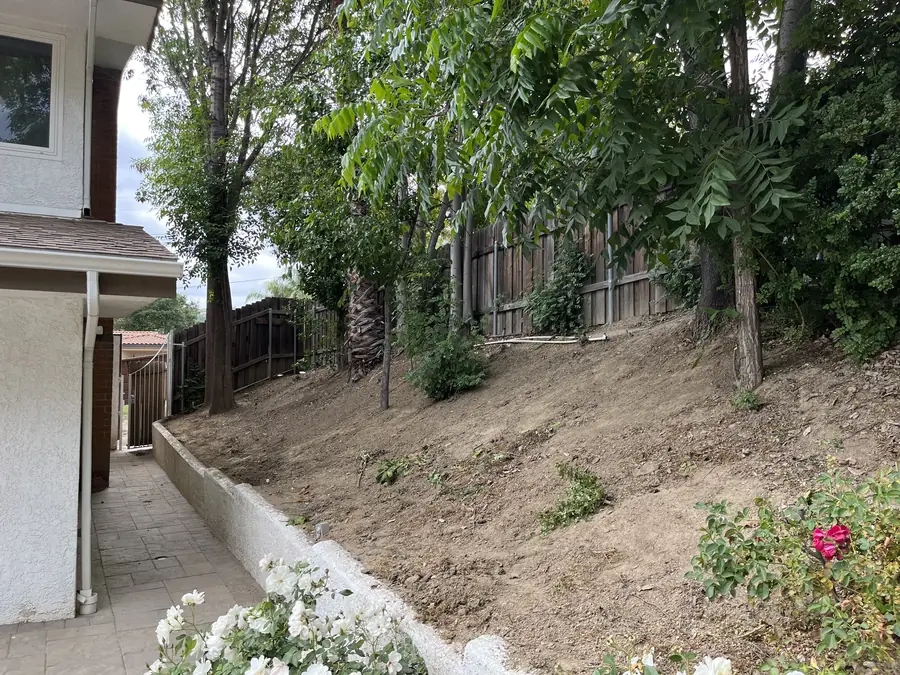
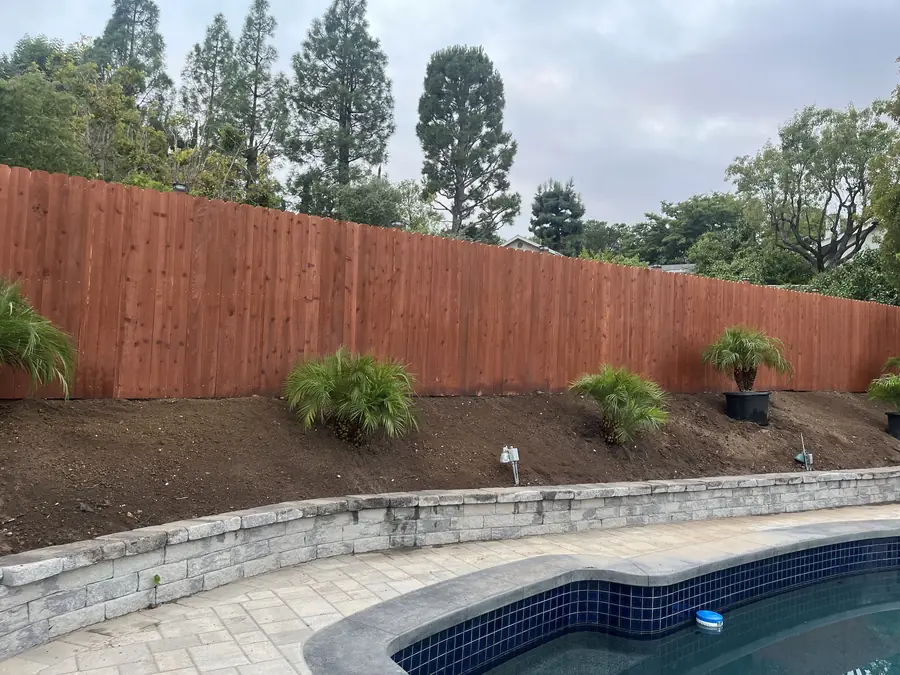
Yes, on both sides of Ventura Boulevard. Most of our work sits just west in Woodland Hills and the surrounding cities, so Tarzana is a short run and there is no travel charge. Hillside properties south of the boulevard are a particular specialty.
Usually yes, and it is worth knowing why up front. Material has to move up or down grade, often by hand where a machine cannot reach, so labor runs higher than the same square footage on flat ground. Access is the single biggest variable. We look at it during the walkthrough and price it honestly rather than discovering it on day two.
Yes. The sooner the better, because every winter makes it a bigger job. The approach is layered. Deep rooting plants that grip, spaced to knit together, mulch or jute to hold the surface while roots take, irrigation that soaks instead of running off, and terracing or a retaining wall where the grade is too steep to hold with planting alone.
We can, and past a certain height they need a permit and often an engineered design, which comes up regularly on the streets climbing toward Mulholland. Whether there is a slope or a surcharge above the wall changes the requirement too. We establish which category your wall falls into before quoting.
Slowly. Spray heads on a grade put water down faster than the soil can absorb it, so most of it runs to the bottom and the top of the slope stays dry. Drip and low precipitation emitters, plus cycle and soak scheduling that waters in short bursts with breaks, is what actually gets water into a hillside.
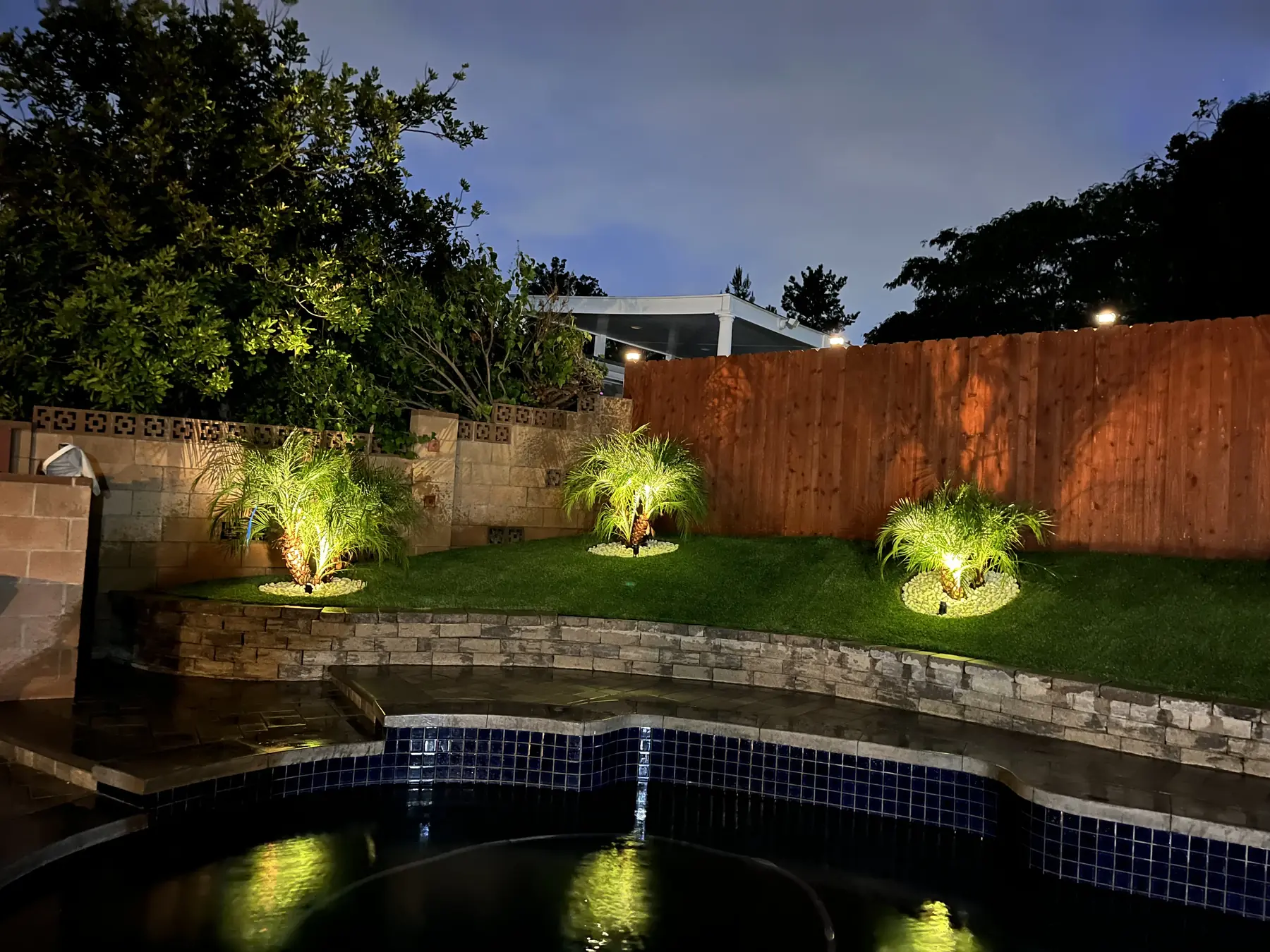
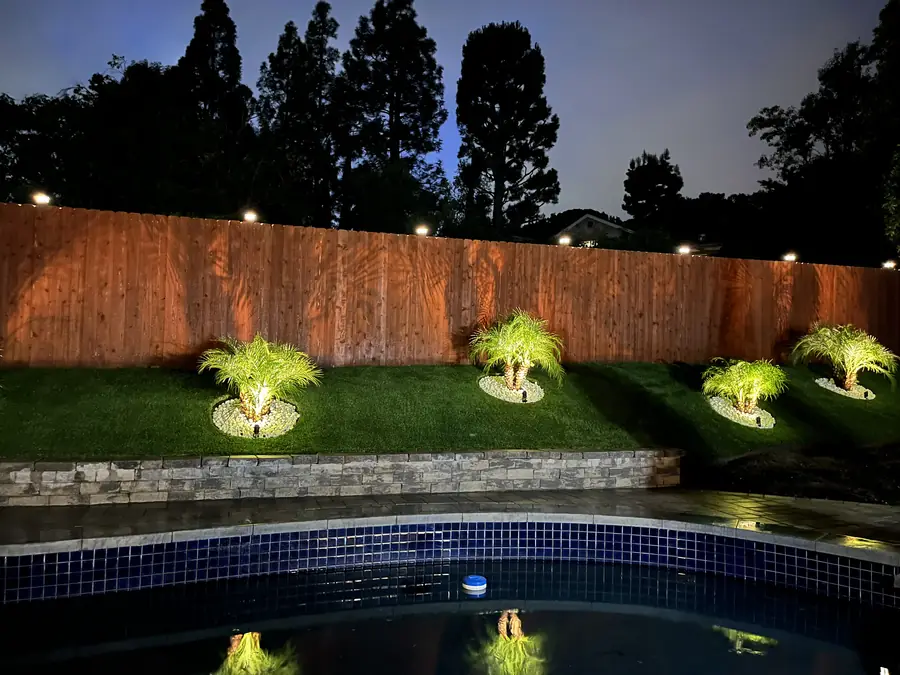
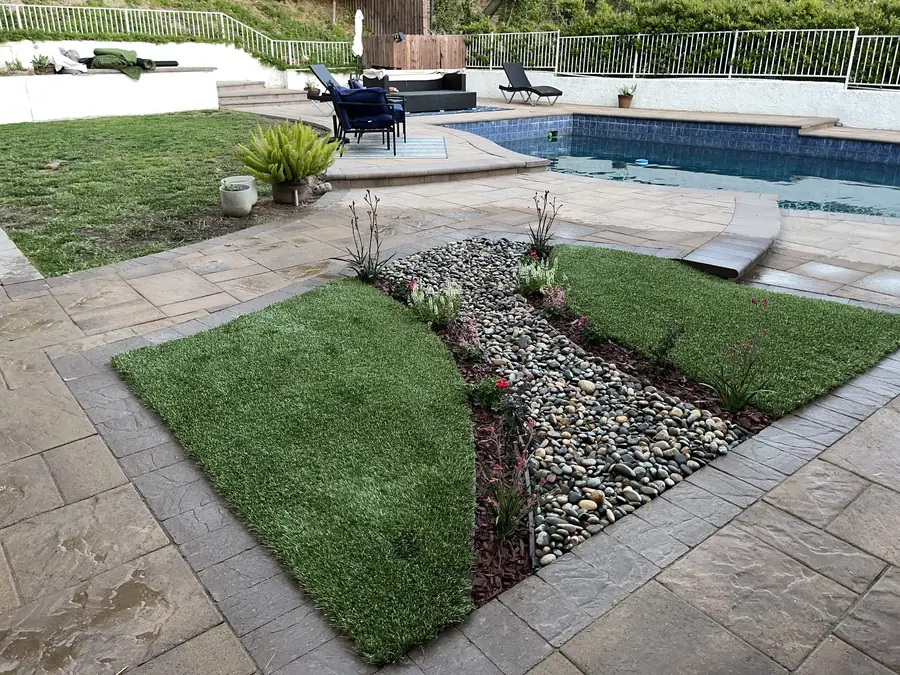
Yes, pools are common here. The priorities are keeping clippings and mud out of the water, a deck that is not painfully hot barefoot in a Tarzana August, planting that does not constantly drop into the pool, and drainage that carries water away from the deck rather than into it. Turf around a pool solves several of those at once.
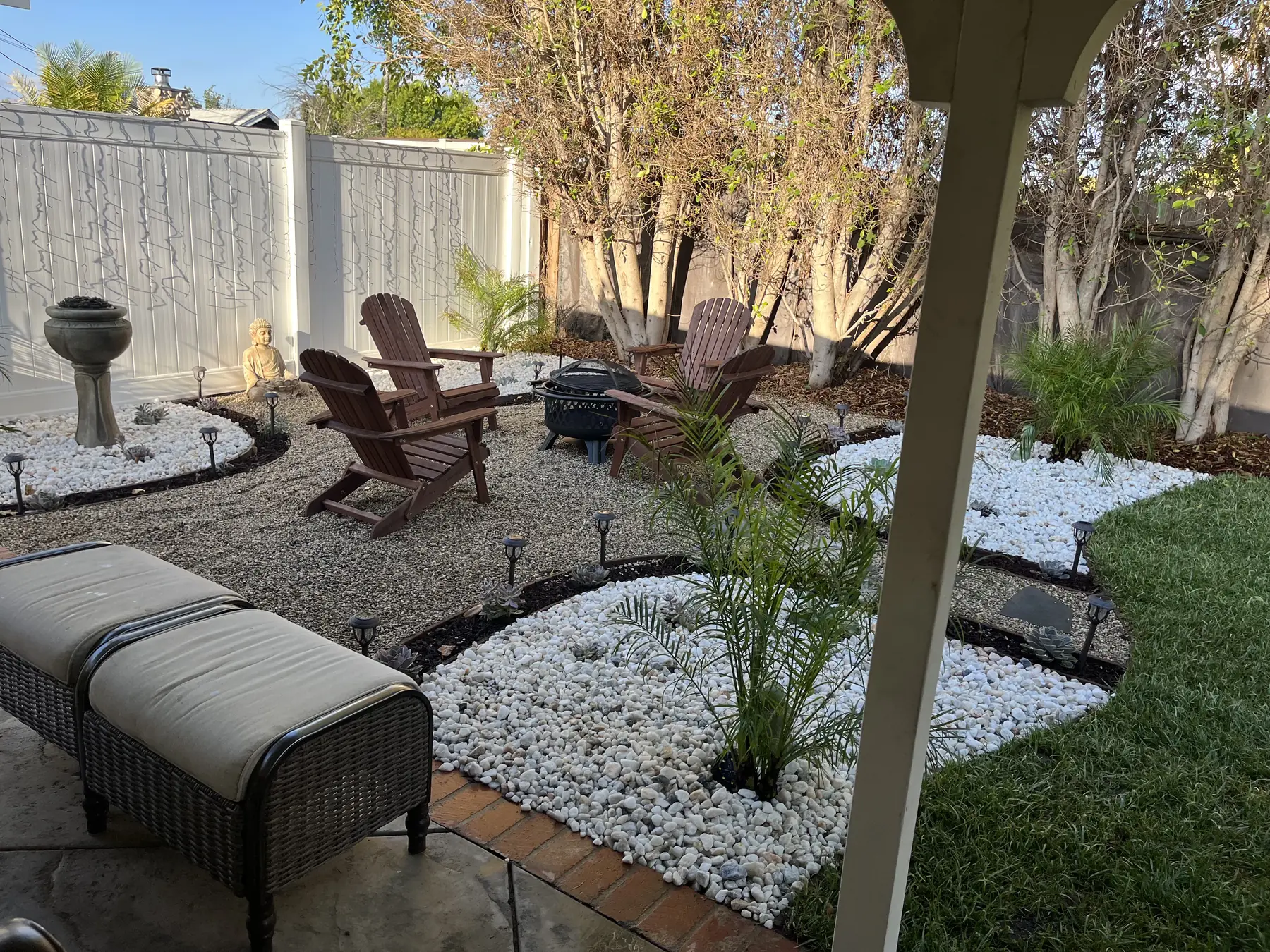
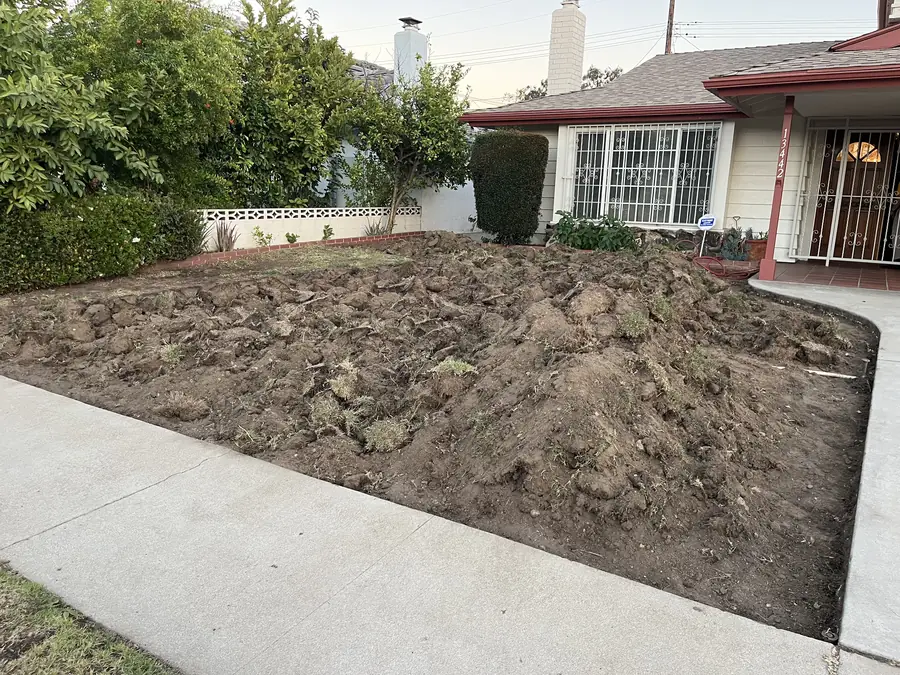
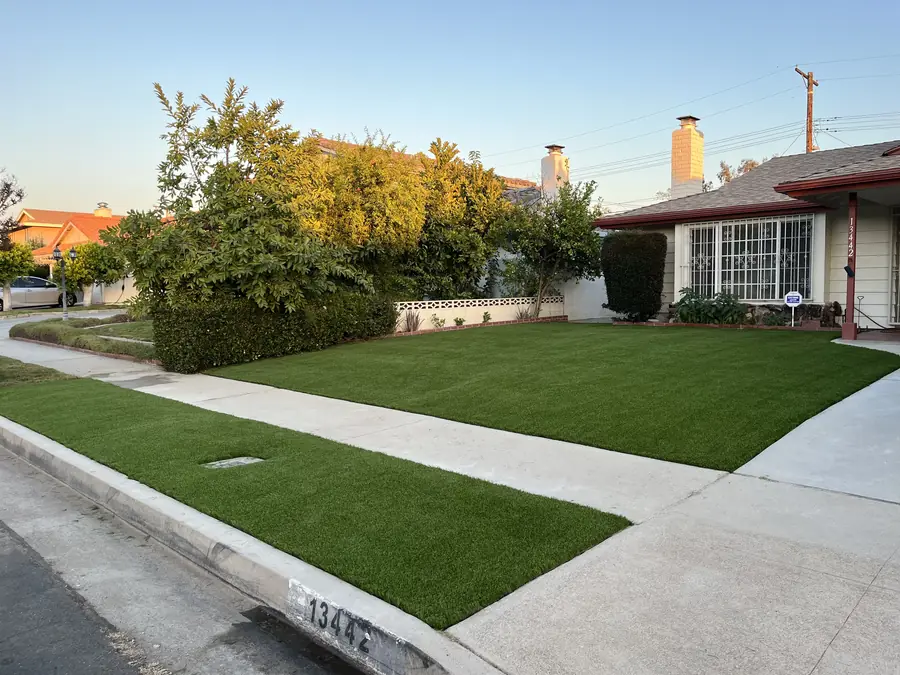
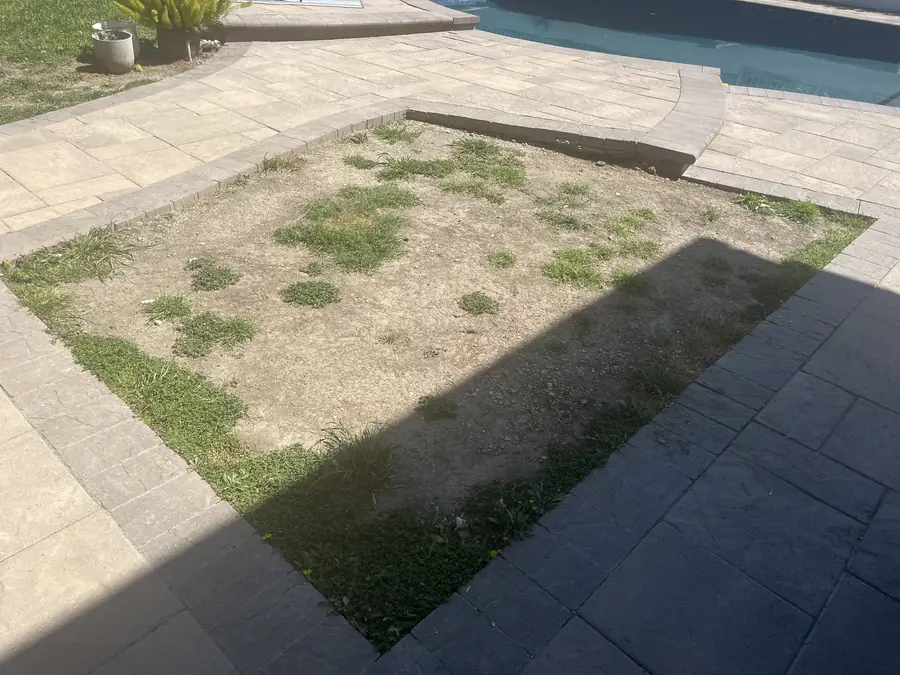
Different job entirely. Those are standard Valley tract lots with clay soil, full sun, and usually an original lawn on an original sprinkler system. The strongest move is normally taking the lawn out for turf or drought tolerant planting and rebuilding the irrigation to drip while the ground is open.
We can. On these properties you should. Decades of canopy is irreplaceable and it is part of what the home is worth. We plan around root zones, avoid raising grade over roots, and keep irrigation off the trunk flare. Some mature trees are protected, so we check before anything gets cut.
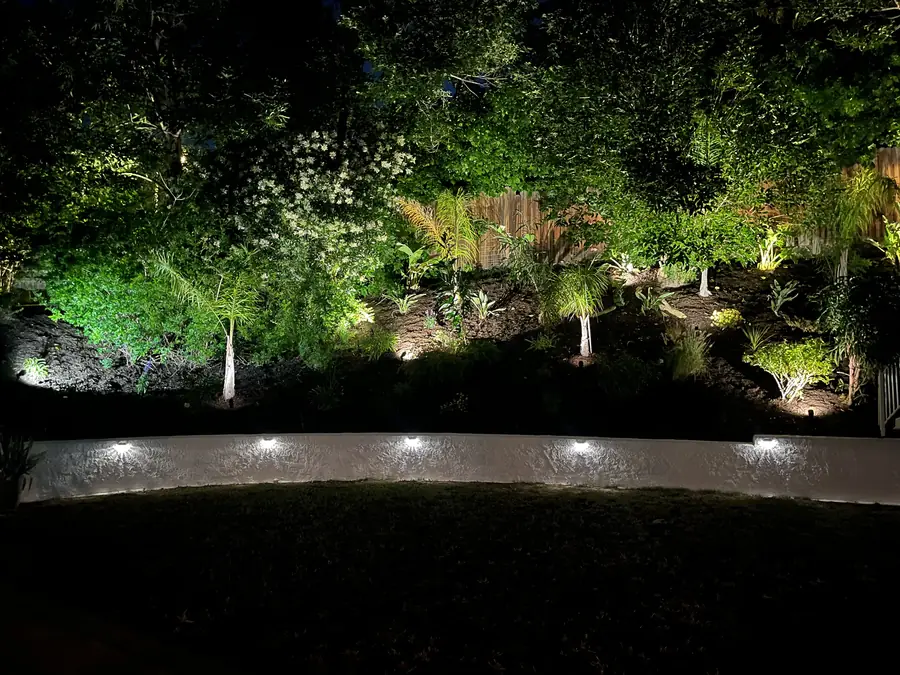
Yes, and on a hillside lot it is one of the highest impact things you can do, because there is almost no ambient street light to compete with once the sun drops behind the ridge. Steps, the driveway, and the grade changes come first for safety, then uplighting on the trees.
Both, under one contractor. That is the point of the way we work. You are not paying a designer for a plan and then finding no builder wants to price it. More on our landscape design page.
Yes, it is usually the first thing to sort on a sloped property. Water coming down a grade has to be given a deliberate route or it finds its own and takes soil with it. We regrade, add drains and catch basins, and where it suits the design build a dry creek bed that handles the volume and looks like a feature.
Planting, irrigation, and flatwork at grade generally do not need one. Retaining walls above a set height, structures like patio covers, and anything in the public right of way do. We identify what applies to your property at the estimate rather than after building it.
Longer than the same work on a flat lot, because moving material up and down grade slows everything. A focused area is a couple of weeks, a full property with walls and drainage runs longer. We build the access constraints into the schedule we give you rather than being surprised by them.
Yes. On a large sloped property it is often the smart route. The one rule is that the whole property gets planned first so grading, drainage, and utility runs happen in the right order. Slope stabilization should come early regardless of budget, since it protects everything built after it.
We walk the property, look at the grade, the access, the drainage, and the trees, and talk through what you want and what you want to spend. Then you get a real number. Request a free quote and we will set a time.