
FAQ
Sherman Oaks landscaping questions, answered
What homeowners in Sherman Oaks ask us most.
All of it. We work the flats north of Ventura Boulevard, the blocks along the corridor itself, and the hillside properties that climb south toward Mulholland. Sherman Oaks is one of our core areas, so teams are in the neighborhood regularly and we know how the streets, the grades, and the older infrastructure tend to behave. If you sit near the edges, close to Encino, Van Nuys, or Studio City, we are there too. The wider service area covers the San Fernando Valley and greater Los Angeles.
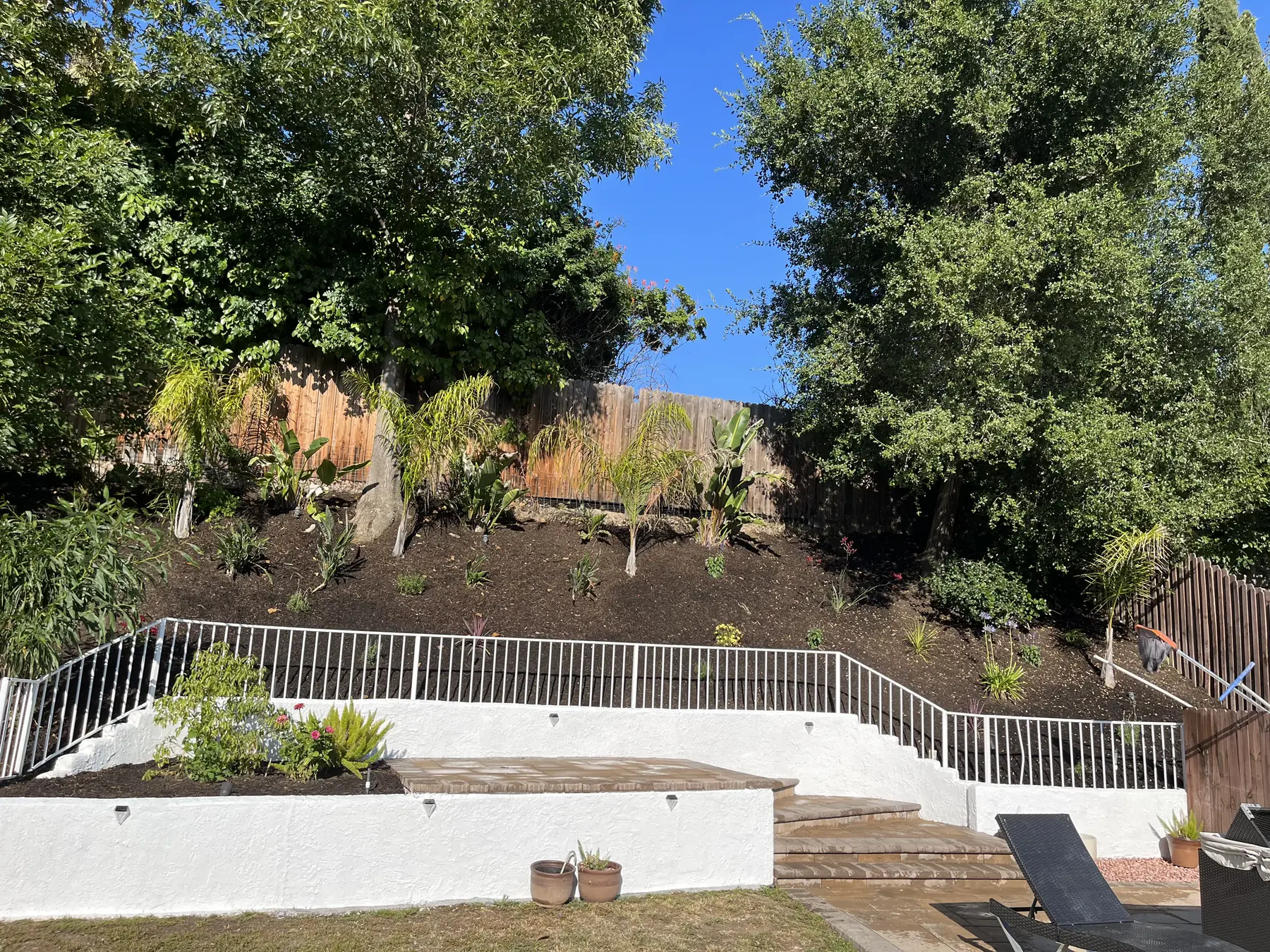
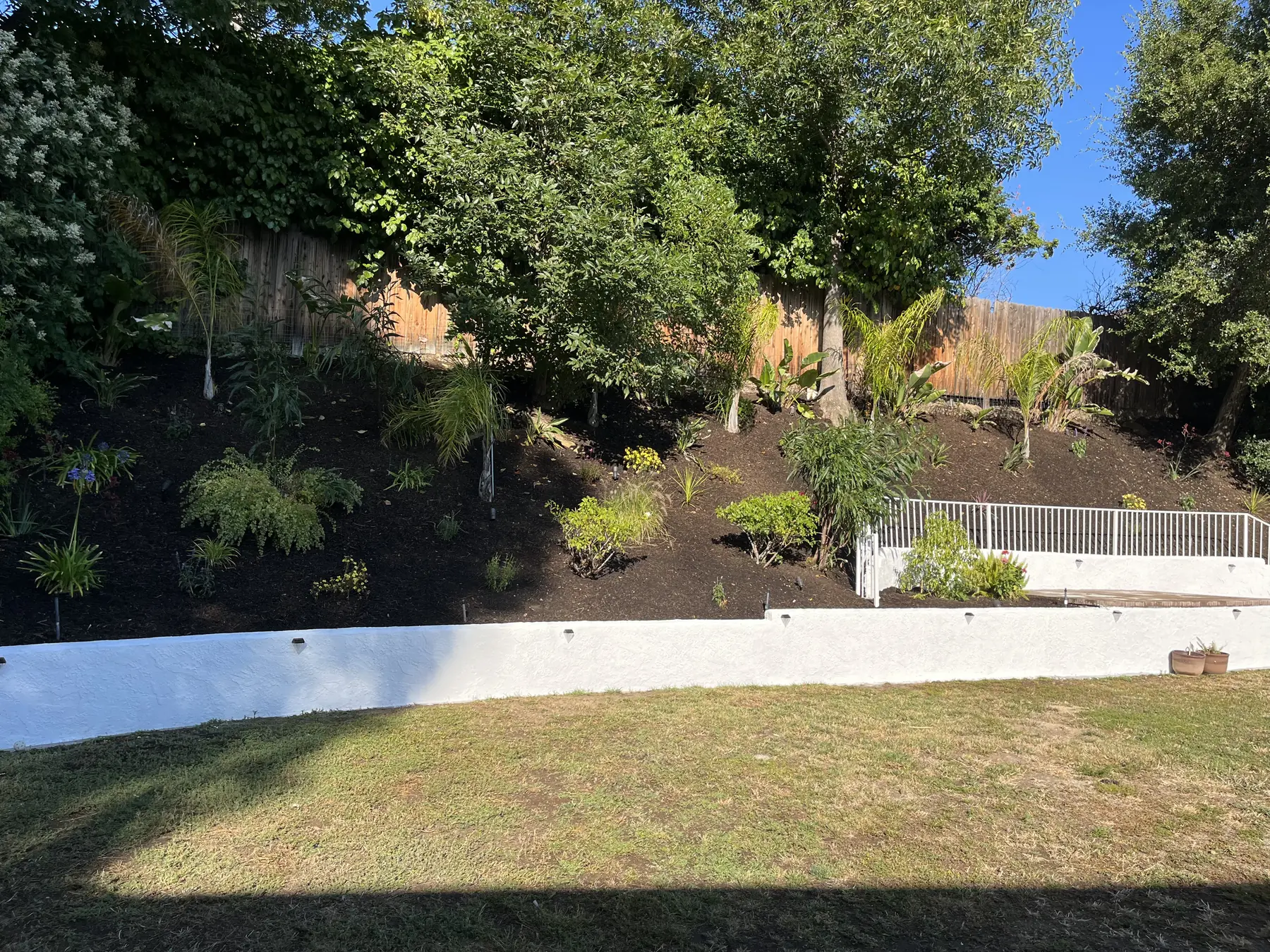
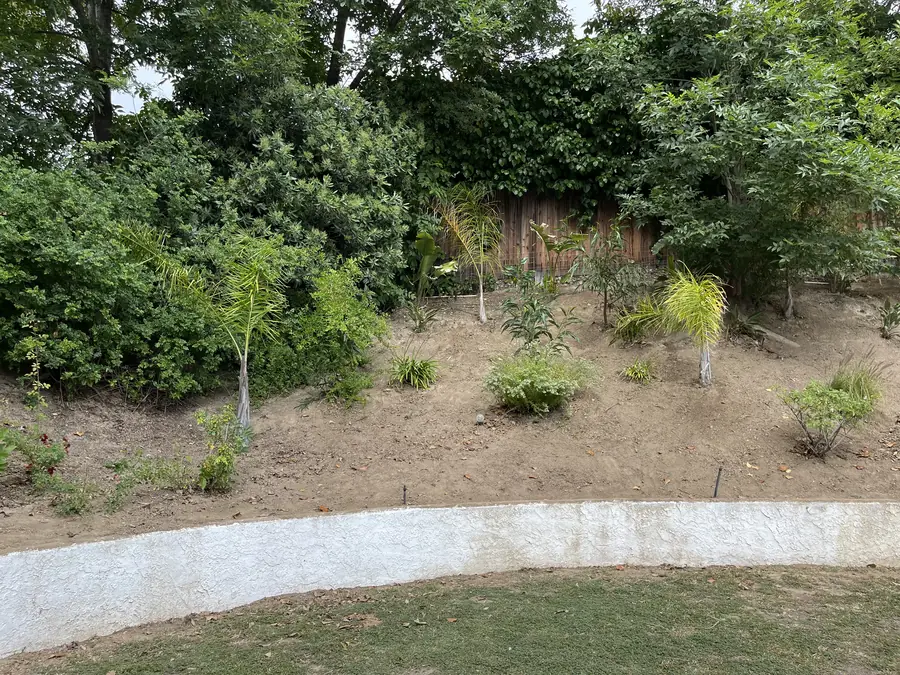
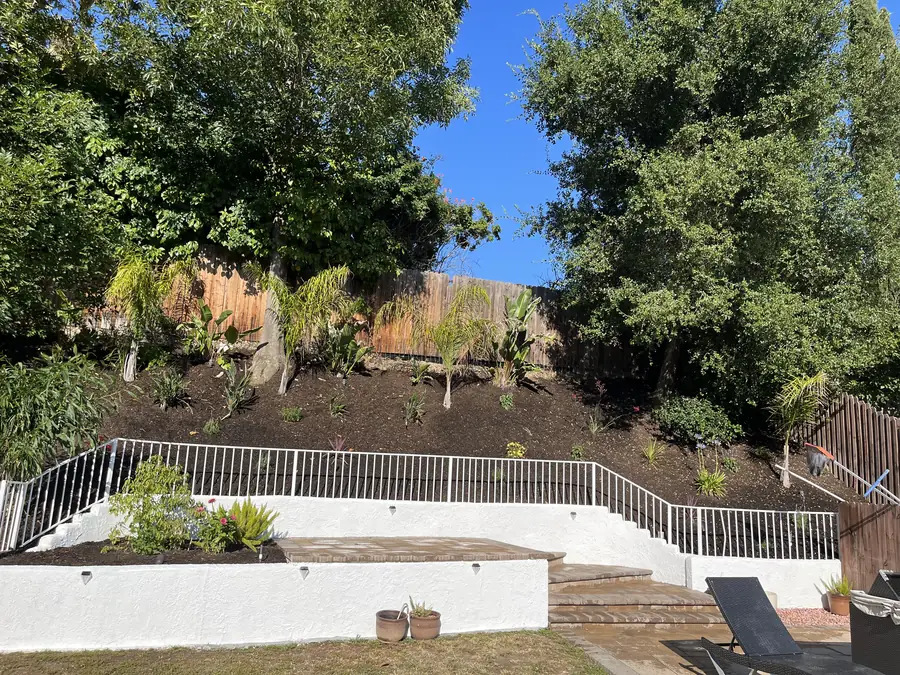
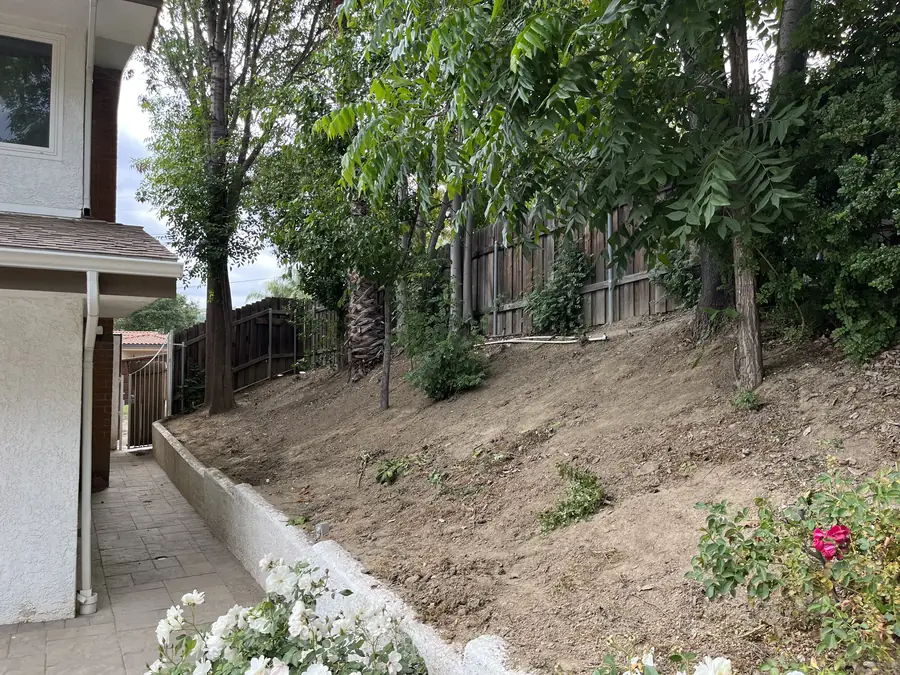
Very different, and the budget usually reflects it. A flat lot in the north end is largely about layout, planting, surfaces, and drainage. Once you are south of the boulevard and on a real grade, the yard has to be held in place before it can be made usable. That means terracing, retaining structure, stepped levels, and a genuine plan for where water goes during a heavy rain. Hillside work also takes longer to stage, because material gets moved uphill by hand far more often than homeowners expect.
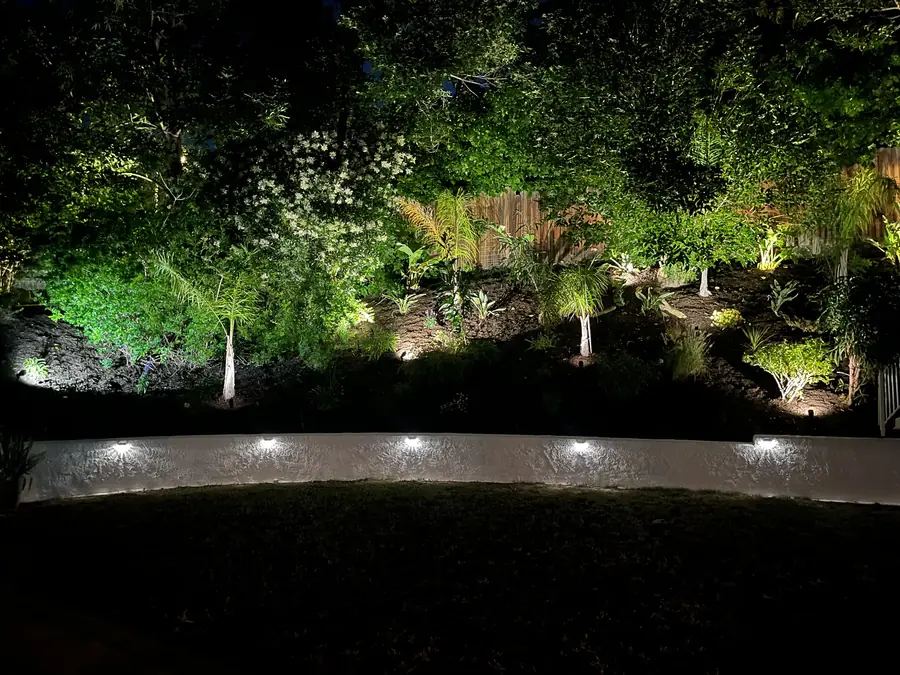
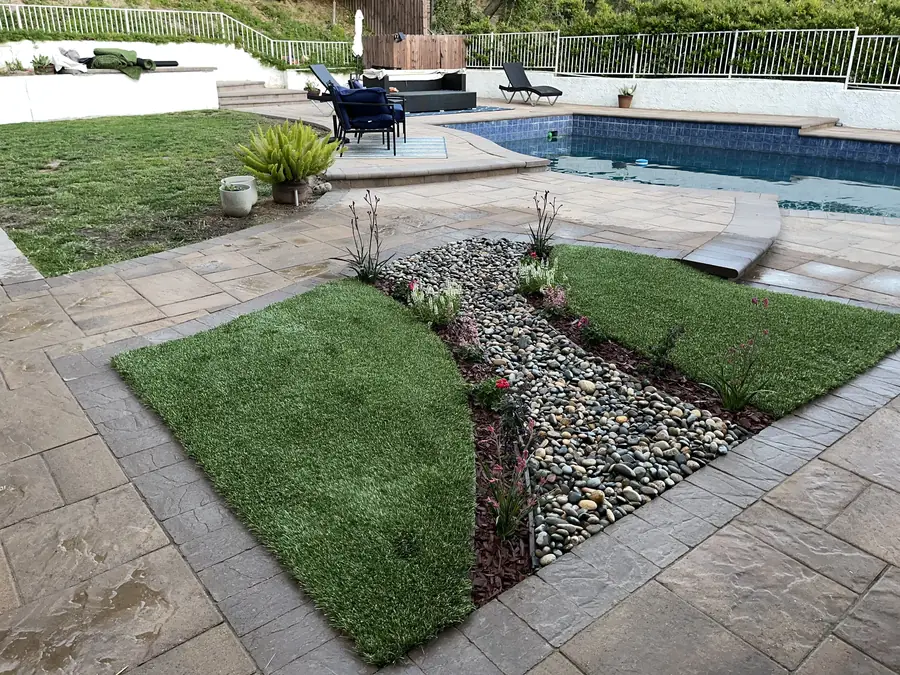
There is no single template, though a common scope mixes several trades at once. A homeowner might want new patio surfacing, some masonry work, planting suited to the exposure, irrigation replaced because the old system leaks, lighting so the yard is usable in the evening, and a seating or dining area near the house. On the hillside, a wall or a set of terraces joins that list. We plan the whole thing as one project so the pieces get built in the correct order.
It varies with where you sit. Flat lots in the north tend toward heavier valley soil that compacts and drains slowly, especially where decades of foot traffic and old paving have pressed it down. Hillside ground south of the boulevard is often thinner over harder material, and it behaves differently once it is saturated. We look at what is actually under the surface before committing to a planting plan or a wall detail, because guessing about soil is how drainage problems and failed plantings start.
Some do. Work involving structural retaining, meaningful grading, electrical, or anything that alters a slope is far more likely to fall under permit requirements than a simple planting refresh. We tell you honestly during the estimate which parts of your scope we expect to be permitted and which are straightforward. That conversation belongs at the start, not halfway through construction. Requirements are set by the City of Los Angeles and turn on the specifics of your parcel, so we verify rather than assume based on the last job.
It depends entirely on scope and site. A planting and irrigation refresh on a flat lot moves quickly. A hillside build with retaining, terracing, hardscape, and lighting is a much longer commitment, because each stage has to cure or settle before the next one goes on top of it. We give you a realistic sequence at the estimate stage rather than a number designed to sound good. Weather, inspections, and material lead times all influence the calendar, and we would rather set an honest expectation up front.
Carefully, and with a plan made before day one. Some properties south of the boulevard allow a small machine down the side yard. Others have no path at all, which means material goes in by wheelbarrow and by hand, and debris comes out the same way. We walk the access route during the estimate so the labor involved gets priced honestly instead of discovered later. Older Sherman Oaks streets are also narrower than they look, so staging deliveries takes coordination with the daily schedule.
Respectfully, because these are close established streets and we intend to keep working in the area for a long time. We keep staged material tidy, sweep the street, avoid blocking driveways, and keep the loudest equipment inside reasonable daytime hours. If a delivery or a large pour will affect parking on the block, letting the neighbors know in advance takes a minute and prevents a problem. The team is the same group of people every day, so nobody is watching a rotating cast of strangers come and go.
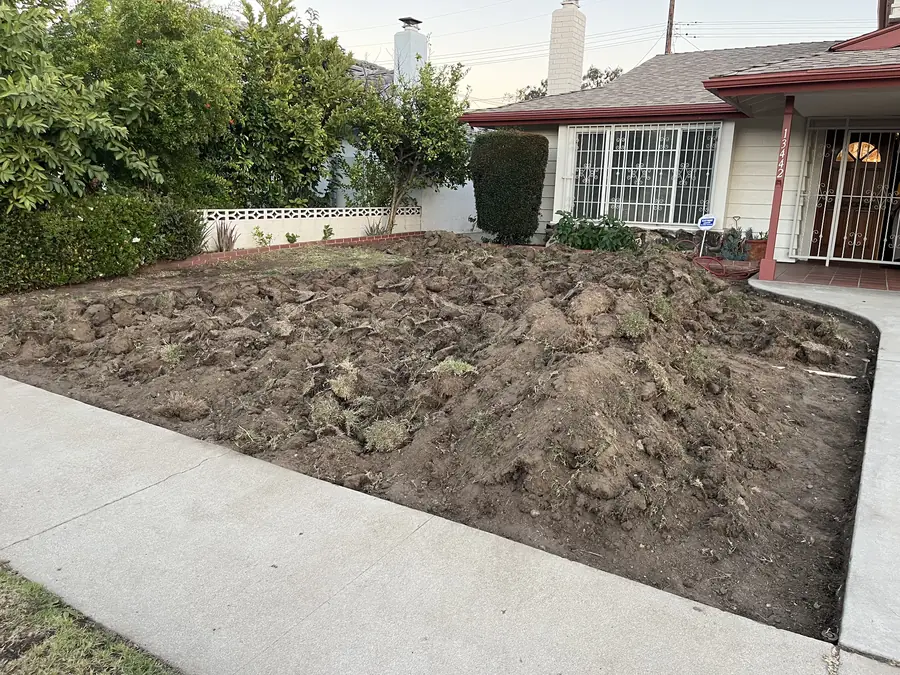
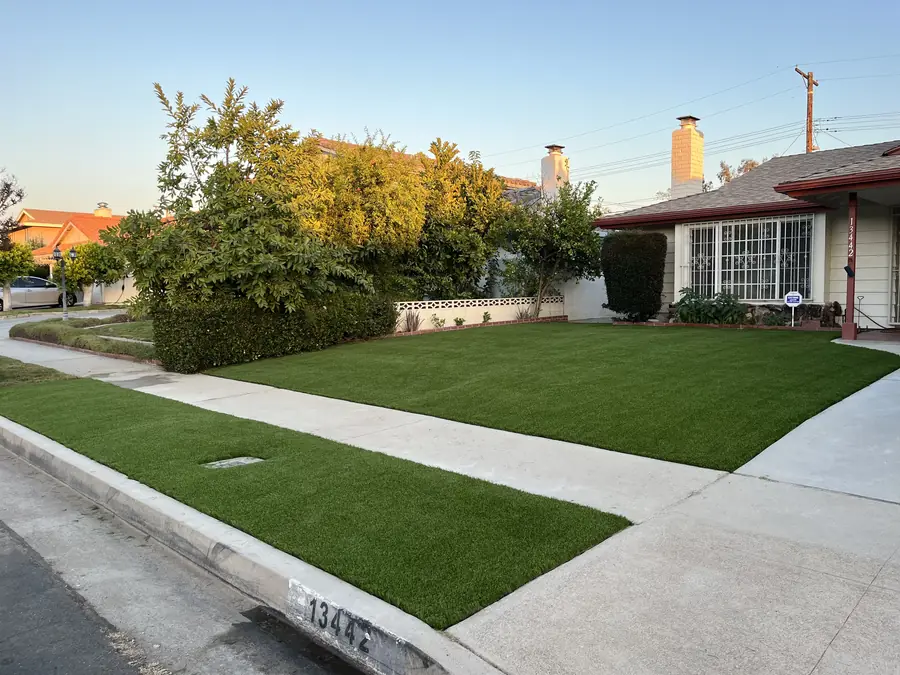
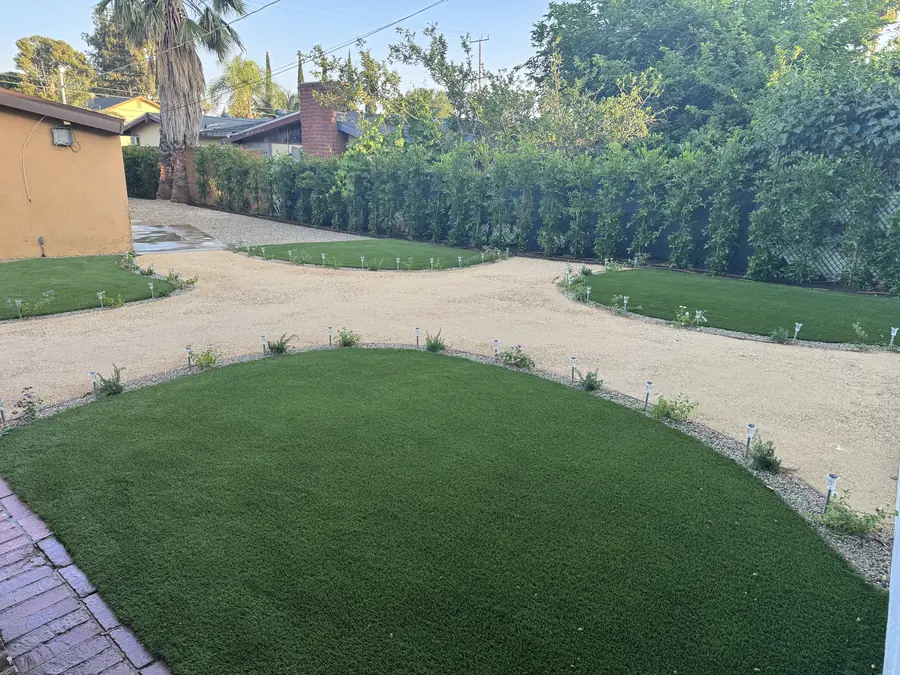
They shape the plan, but they limit it far less than homeowners fear. Southern California rules push toward efficient irrigation and plant material suited to the climate, and honestly that is what performs best here anyway. Drip in the planting beds, properly zoned valves, controllers that adjust with the season, and a palette matched to sun and shade will give you a yard that reads full without wasting water. Artificial turf is another option where a green surface is wanted without the ongoing demand.
Yes, and we plan for them from the beginning rather than treating them as an obstacle discovered mid job. Sherman Oaks has beautiful old street trees and mature specimens in back yards, and their root zones extend much farther than the canopy suggests. Trenching straight through those roots for irrigation or footings damages the tree and can destabilize it. We route lines, shift hardscape edges, and choose foundation details that keep the root plate intact. Losing a decades old tree to save a day of layout work is a bad trade.
Yes. Design and build under one roof is how we prefer to operate, because it removes the gap where a drawing meets reality. We look at the site, talk through how you actually use the space, and put together a plan that accounts for grade, drainage, sun, and access. Then the same company builds it. When something on site needs a decision, you are not waiting on a designer who has already moved to another project. Accountability stays in one place from first sketch to final walkthrough.
No. Daniels Landscaping builds under one licensed contractor. The people who show up at your property work under one licensed contractor, they work together every day, and they answer to us. One licensed contractor stays accountable for the work. That is a deliberate choice, because a long chain of companies is where quality drifts, schedules slip, and nobody is quite sure who is responsible when something goes wrong. Keeping the team under one contractor means the standard stays consistent from demolition on the first morning through the final cleanup.
It is a different kind of work, not necessarily harder. Older Sherman Oaks yards tend to hide surprises: irrigation added in layers over many years, walls built without proper drainage behind them, concrete poured over what used to be lawn. Part of our job is sorting out what is worth keeping and what is quietly causing problems. Sometimes a mature planting bed or a sound wall stays and saves you real money. Sometimes removal is the kindest option. We tell you which is which before demolition begins.
Both. Plenty of Sherman Oaks homeowners start with one area, a front entry, a side yard that never worked, a patio that needs replacing, then expand later once they see how the space performs. We are glad to build in phases, provided the first phase is planned with the eventual whole in mind. Doing that avoids the common mistake of pouring concrete exactly where a future drain line or footing needs to go. Small scope is fine. Unplanned scope is what costs people money.
Call us at (818) 443-9300 and we will set up a time to walk your property. The estimate is free and it comes to you in writing, with the scope spelled out so you can see what is included instead of guessing. Daniels Landscaping is licensed in California, license number 1138709, and the work is performed under one licensed contractor. Bring your questions, your photos, and whatever ideas you have been collecting. Even at an early planning stage, a walkthrough usually clarifies what is realistic on your lot.