
FAQ
Renovations in Pacoima, answered
The questions we hear most from Pacoima homeowners.
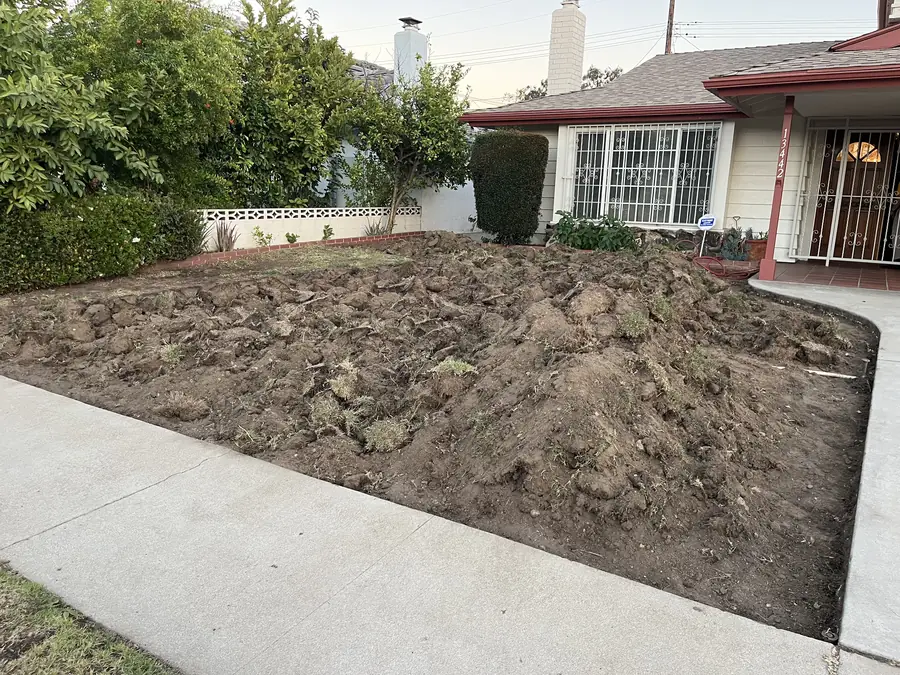
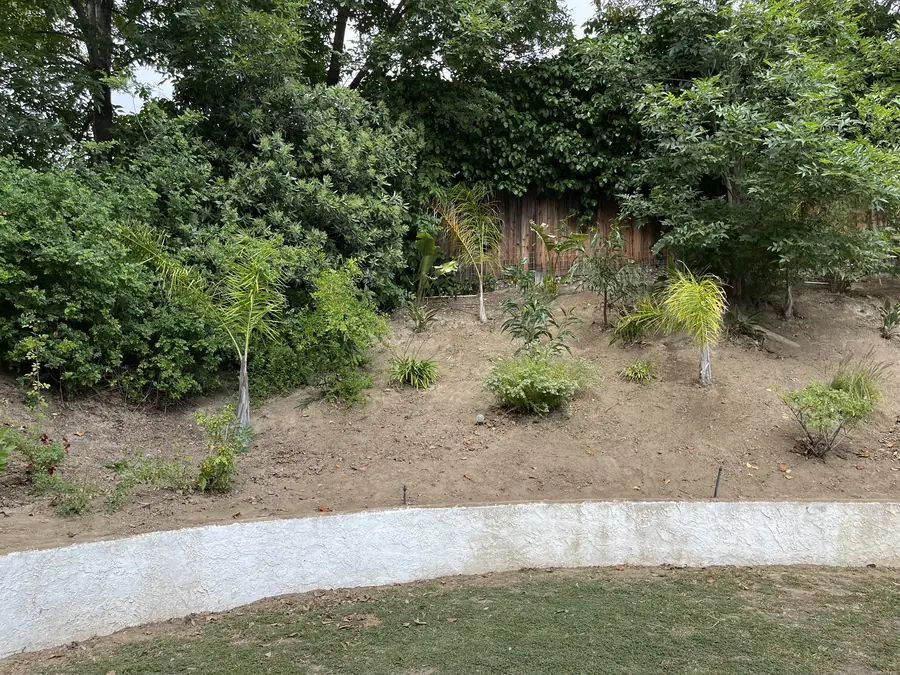
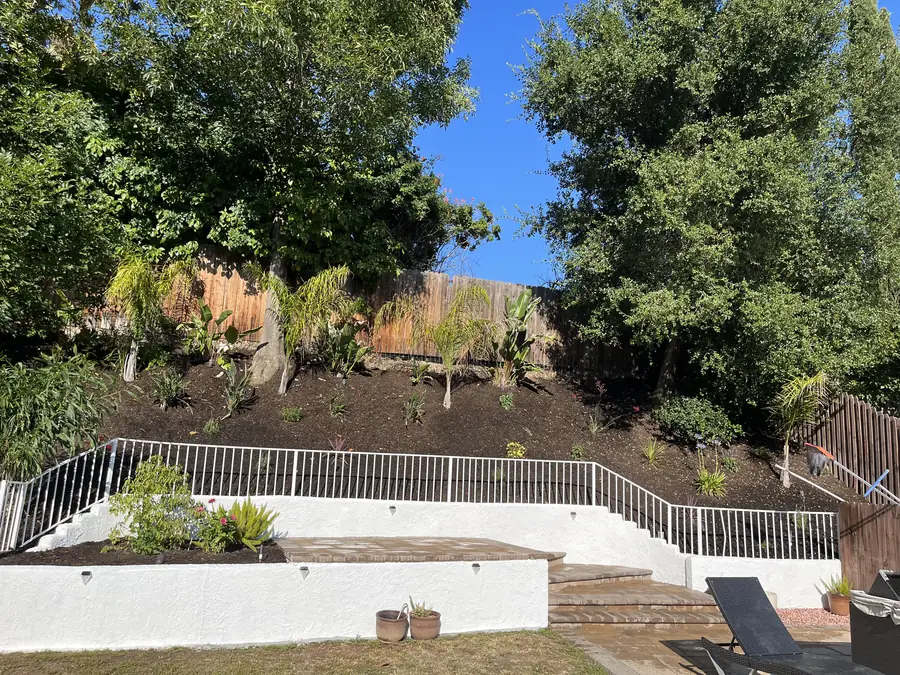
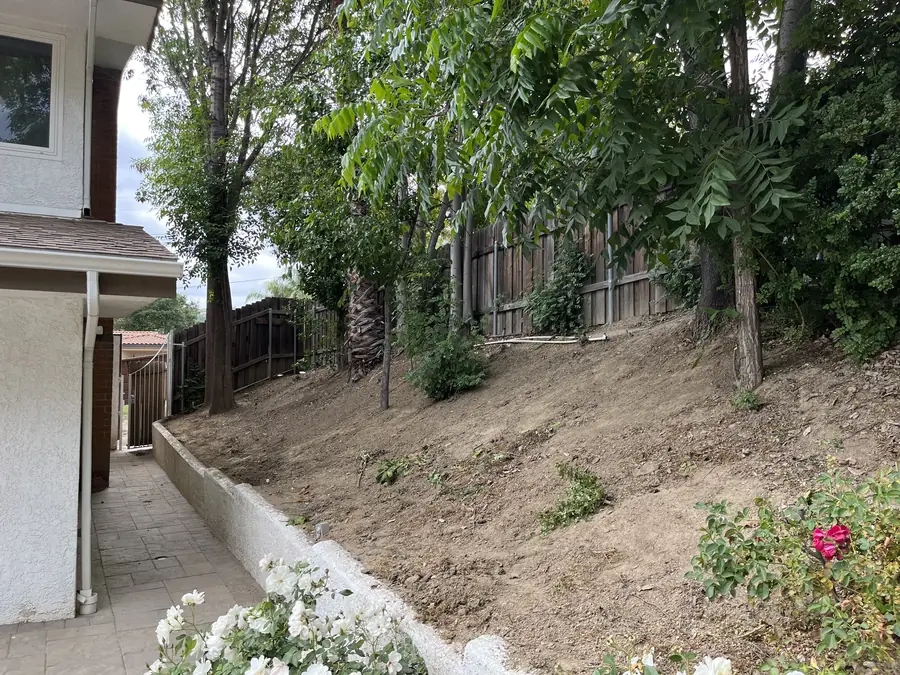
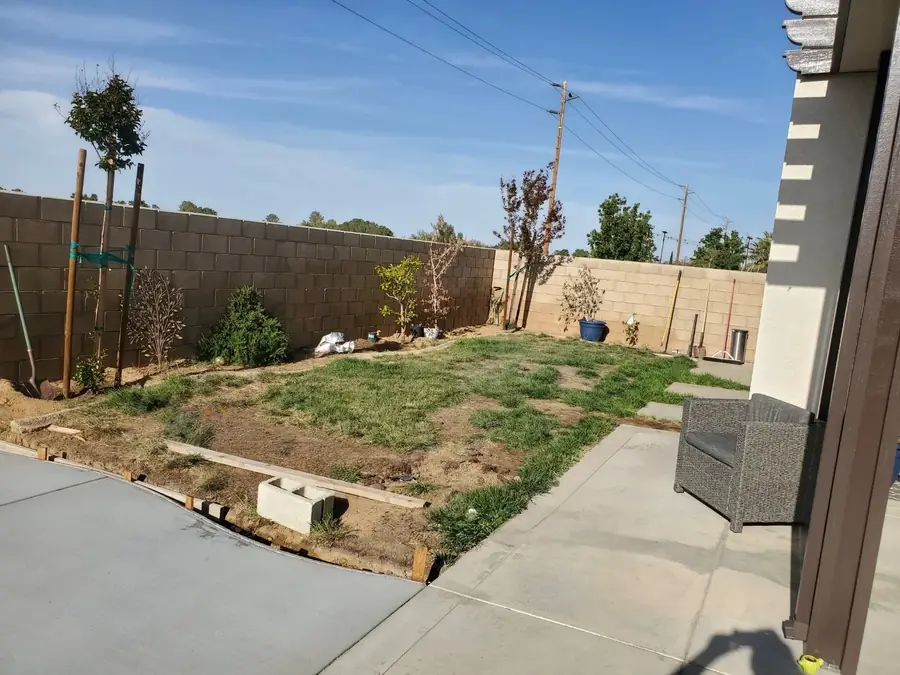
On a postwar property that still has its original yard, most of the first phase is removal. Irrigation from that era is brittle and unreliable, flatwork has cracked and lifted, and planting has either died back or grown far past the space it was given. We walk the property, mark what is worth keeping, and take out the rest. Once the yard is bare the actual grade becomes visible, which is when the low spots and drainage problems that were hidden under overgrowth finally show themselves.
Three questions settle most of it. Is the item structurally sound, does it sit where the new plan needs that space, and would replacing it later cost more than replacing it now while the equipment is already on site. Mature trees almost always stay, since shade is genuinely valuable on a lot with full exposure. Sound concrete in a location the plan keeps can stay. Brittle irrigation, cracked slabs, and overgrown shrubs rarely survive that test. We go through the list with you before anything is touched.
The sequence is fixed and there is a reason behind each step. Demolition and haul away first, then grading and drainage while the ground is open and reachable, then utilities and irrigation, then hardscape, then planting last. Working out of order means trenching through a finished patio or pulling out new plants to correct a low spot. Planting comes last because it is the most fragile thing in the yard and because emitters can only be placed accurately once the plants are physically in the ground.
It depends on what we find when we open it up. Systems installed decades ago tend to have brittle lateral lines, mismatched heads throwing wildly different amounts of water, and valves that no longer seat properly. Often the mainline and the valve location are still usable while everything downstream gets replaced. We pressure check the system and show you what we found rather than making the call for you. A renovation is also the natural moment to move planting beds from spray to drip, since the trenches are already open.
Flat ground is exactly why it comes up. Where a lot slopes, water has somewhere to go whether anyone planned it or not. Here the fall has to be built deliberately, and after decades of settling, added soil, and layer upon layer of concrete poured against the house, plenty of older yards now drain toward the foundation instead of away from it. With the yard stripped and the ground open, correcting that is straightforward. Waiting until the new patio and planting are in turns it into an expensive second project.
It leaves the property. Broken concrete, old irrigation, dead shrubs, stumps, and spoils from grading get loaded and hauled away rather than piled on the parkway for the block to look at. Neighbors here know each other and pay attention to what is happening on the street, so the site gets cleared at the end of every working day. Access and staging are planned in advance on a regular sized lot, since a truck and a bin both need somewhere to sit without blocking driveways.
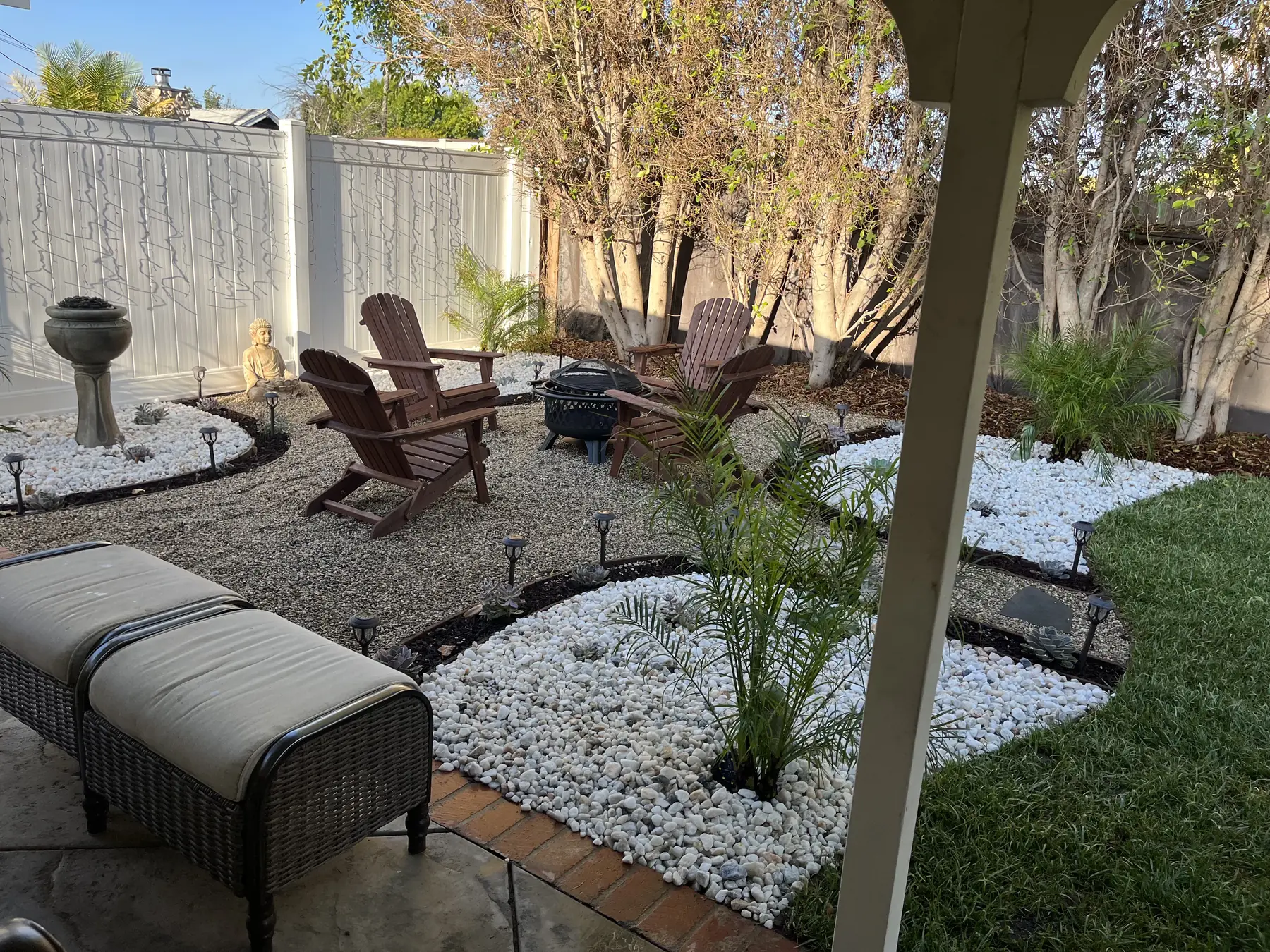
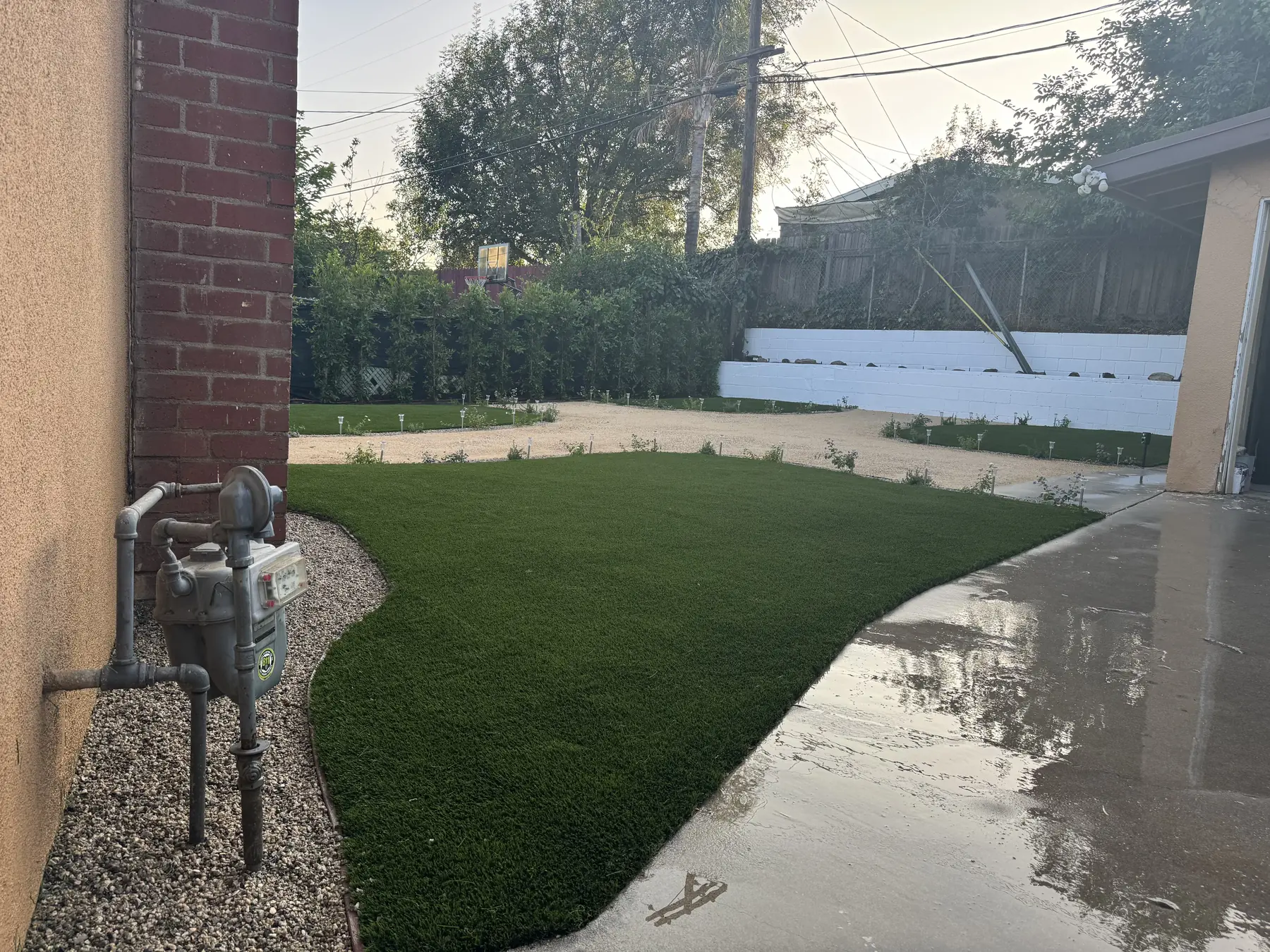
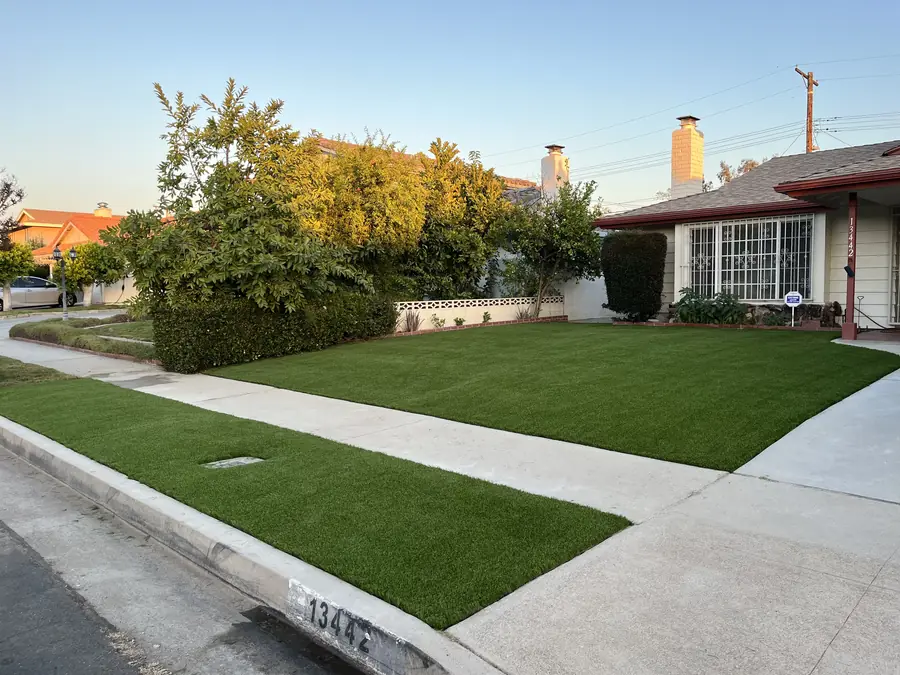
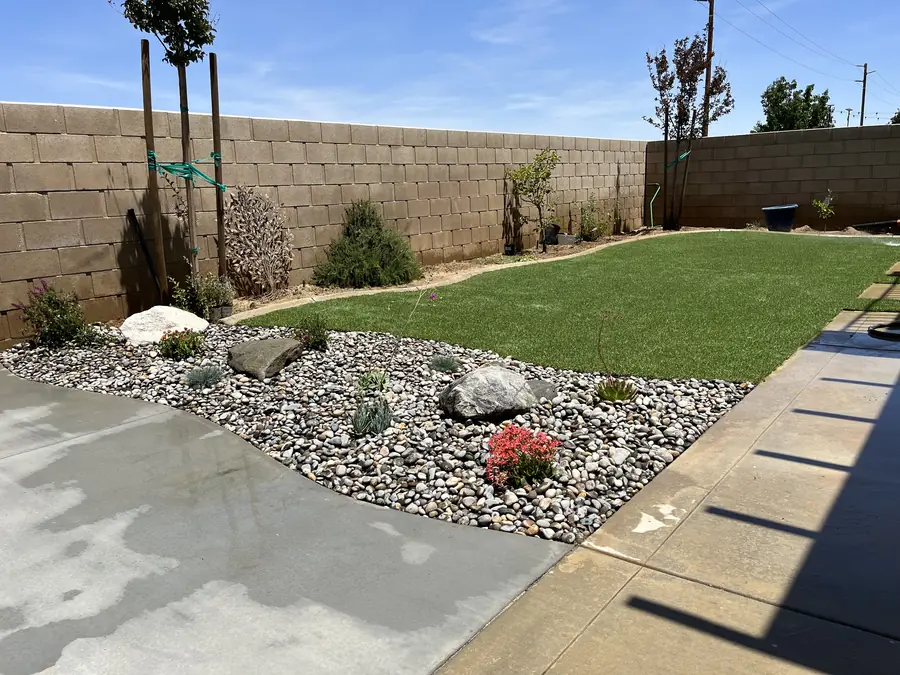
Three directions, and the right one depends on how the space gets used. A new live lawn is worth it if children or dogs are on it constantly and someone is prepared to water and mow through a hot dry summer. Synthetic turf keeps the green with almost no upkeep, which fits a household that wants the yard to stay easy. Drought tolerant planting with a defined edge usually looks the most finished and costs the least to run. Whatever goes in, the soil underneath gets corrected first.
Phasing is common in this neighborhood and we plan for it rather than treating it as a fallback. The requirement is that buried work happens first across the entire yard, even under the parts that will stay bare for a while. Grading, drainage, irrigation mainline, and any conduit sleeves go in during the first stage. Once that is done, hardscape can arrive one year and planting another without cutting into anything finished. What we avoid is phasing that forces demolition of new work later on.
It means the invisible work is done and the visible work is deferred. A future patio area gets its grade set, its drain line stubbed, and a sleeve run underneath, then it stays as compacted soil or a temporary gravel surface until you are ready. An irrigation valve gets installed with a capped line running to a bed that will be planted next year. The point is that the next stage becomes an afternoon of connecting rather than a second round of demolition and trenching.
Mature trees are the hardest thing to replace on a lot that takes full sun all day, so they stay unless a tree is dead or genuinely in the way. During demolition we fence the root zone, keep equipment off the drip line, and hand dig rather than trench where roots run. New irrigation gets routed around the critical roots instead of through them. Planting underneath is chosen for shade and for root competition, and paving near a trunk gets redesigned rather than forced through.
Pool decks and equipment set the constraints, so we work outward from them. Equipment lines, conduit, and the deck edge get located before demolition so nothing gets cut. If the existing deck is cracked and coming out, the new surface has to meet the coping cleanly and drain away from the water rather than into it. Access matters too, because getting a machine into a rear yard past a pool on a regular lot sometimes means smaller equipment and more hand work, which we account for in the estimate.
By making the decisions that reduce upkeep during the renovation, when they cost almost nothing extra. That means plants spaced for their mature size instead of packed in for instant fullness, drip in the beds rather than spray, a physical edge between every planting area and every surface, mulch at a real depth, and a controller that adjusts with the weather. Durability tends to matter more to homeowners here than elaborate detail, so we would rather put budget into a base that lasts than into features demanding attention.
Pacoima is part of the City of Los Angeles, so any permit runs through Los Angeles Building and Safety. Removing and replacing planting, irrigation, flatwork in the same footprint, and normal grading generally does not trigger one. A retaining wall above the height threshold, a new patio cover, new gas or electrical, or a driveway apron sitting in the public right of way does. We identify which items in your scope need approval before the estimate is finalized, and permitted work waits for the permit.
Shade is one of the biggest improvements available here, and a renovation is the right moment to add it because the ground is already open. Built cover over a seating area gives usable shade immediately. Trees give more of it eventually, and a renovation lets us dig proper planting pits and run irrigation to them while the equipment is on site. Placement is the part worth thinking through, since shade landing on the west face of the house does more for comfort than shade sitting in the middle of the lawn.
Sometimes, and it saves money when it works. If the bed is in the right location, the soil is workable, and several of the shrubs are healthy and correctly sized, we can pull the failures, cut back what is salvageable, amend the soil, add new material to fill the gaps, convert the bed to drip, and remulch. Where the bed is full of overgrown material planted far too close together decades ago, starting over produces a better result than trying to rescue it.
By sizing the flat, usable area to the number of people who actually show up. Yards here get used for family rather than for show, so the renovation often trades some lawn for a larger paved surface that holds a full table and a second seating group. Circulation from the house and the side gate gets kept clear so nobody has to walk through the middle of the seating. Shade over that area and a couple of outlets at the edge do more good than any decorative feature.
One licensed contractor handles every stage. Daniels Landscaping stays accountable for the work. The same people who break out the old concrete set the new grade, run the irrigation, build the hardscape, and put the plants in the ground. On a renovation that continuity matters more than usual, because the crew that saw what was buried during demolition is the crew making decisions about it later. There is one company to call about any part of the project, during the work and after it.
Reach Daniels Landscaping at (818) 443-9300 and we will come out and walk the yard with you. We look at what is there, test what still works, note where water sits after a storm, and listen to what the space needs to do, then prepare a free written estimate laid out by stage: demolition and haul away, grading and drainage, irrigation, hardscape, planting. Our California license number is 1138709. Seeing the scope broken out by stage is what makes it easy to decide what happens now and what waits.