
FAQ
Irrigation in Burbank, answered
The questions we hear most from Burbank homeowners.
Spray heads throw a fixed fan of water across short distances and finish quickly, which suits small lawns and narrow strips. Rotors turn a stream back and forth to cover larger areas with bigger droplets that resist wind drift. Rotary nozzles sit between the two, delivering multiple slow rotating streams from a spray body, so they apply water gently over a longer run time and let water soak in instead of running off. Choice depends on zone size, shape, and how fast your soil accepts water, and the three types never belong on the same valve.
Because they apply water at completely different rates. Spray heads might put down water several times faster than rotors covering the same square footage. Run them together and whatever schedule you choose is wrong for one of them, so you either flood the spray area or starve the rotor area. This is the matched precipitation principle, and it applies within a nozzle family too, since half circle and full circle heads need nozzles sized so each delivers the same depth per hour. Correcting a mixed zone is one of the most common repairs we perform.
It means each sprinkler head throws far enough to reach the heads next to it. Sprinklers do not distribute water evenly across their radius, they apply much more close in and taper off toward the edge, so the overlap from neighboring heads is what evens things out. Spacing heads at the edge of their throw instead of head to head leaves dry rings that show up as brown arcs by midsummer. Most patchy lawns we look at are not sick, they are simply spaced too far apart, and the fix is layout rather than more minutes.
Hydrozoning groups plants by water demand so each valve serves plants that want the same thing. Thirsty turf, established shrubs, and drought tolerant natives all belong on separate zones. When they share a zone, the schedule gets set for the thirstiest plant and everything else is overwatered, which wastes water and rots roots. Sun exposure and slope count too, so a hot west facing bed becomes its own zone rather than sharing with the shaded side of the house. Good zoning is the single biggest lever on both plant health and your water bill.
A weather based controller adjusts run times using local conditions and evapotranspiration data instead of repeating the same schedule year round. You program plant type, soil, sprinkler type, sun exposure, and slope for each zone, and the controller shortens watering in cool damp weather and lengthens it during heat. That eliminates the two most common failures, which are watering the same in January as in August and nobody remembering to change the dial. Setup quality determines results, so we configure every zone properly and walk you through the app before we leave.
It is still worth having. A weather based controller responds to forecast and historical data, while a rain sensor responds to actual water falling on your property right now. The sensor interrupts the cycle when it has collected enough rainfall and releases the system once it dries out. It is a small, inexpensive device that prevents the embarrassment of sprinklers running during a storm, and it protects against a controller that lost its connection. We install and position sensors in open sky, away from eaves and tree canopy that would shield them.
Backflow prevention keeps irrigation water from being drawn back into the drinking water supply if pressure in the main drops. Sprinkler lines sit in soil alongside fertilizer, pet waste, and everything else in the ground, so that separation matters for public health. Devices range from atmospheric vacuum breakers to pressure vacuum breakers and reduced pressure assemblies depending on the situation. Requirements and testing in Burbank fall under the city and its own municipal utility rather than an LA agency. We install the appropriate device and place it where it stays accessible for service.
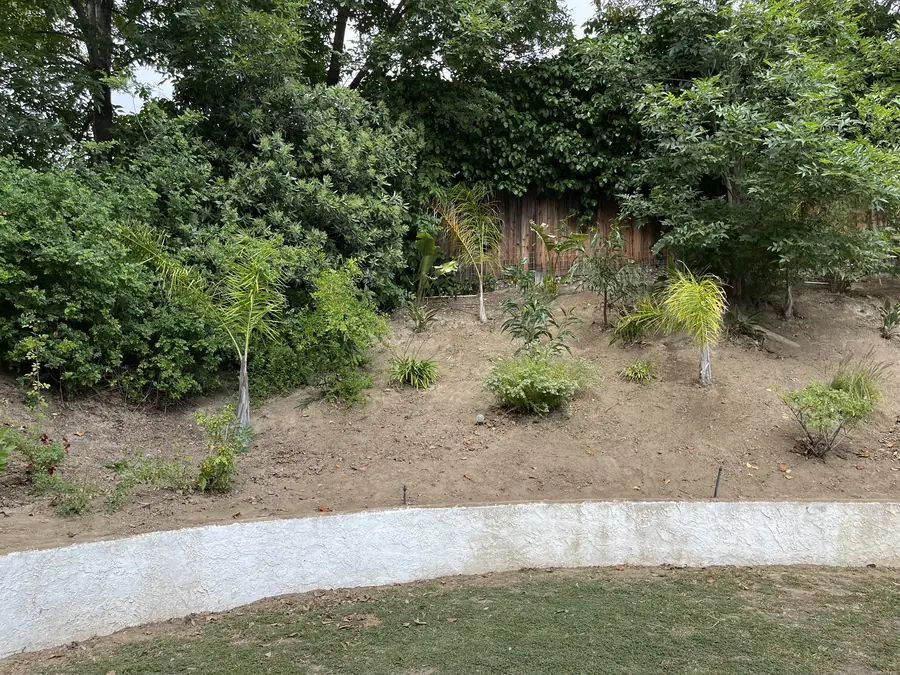
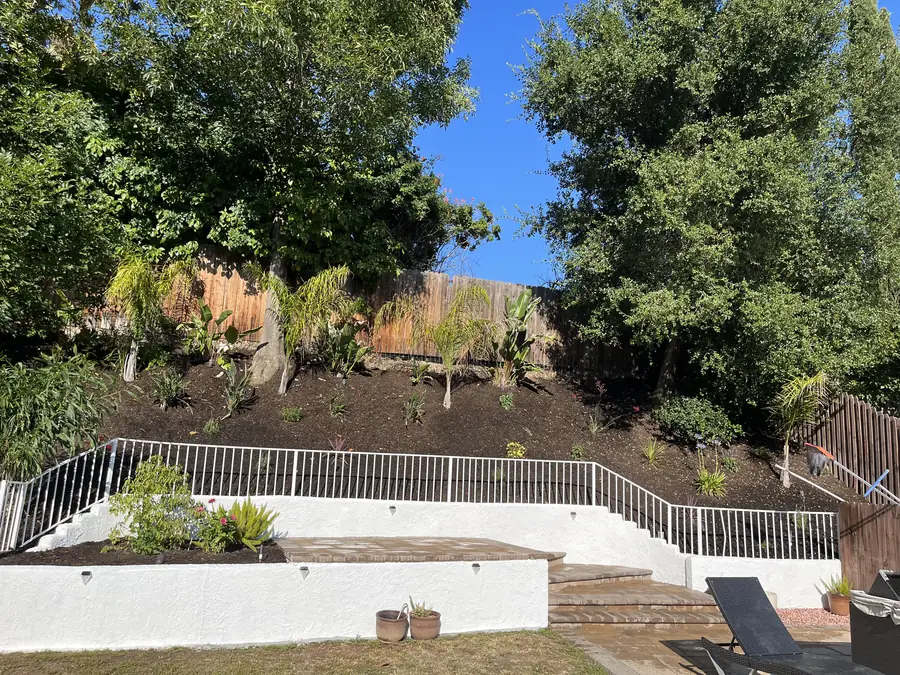
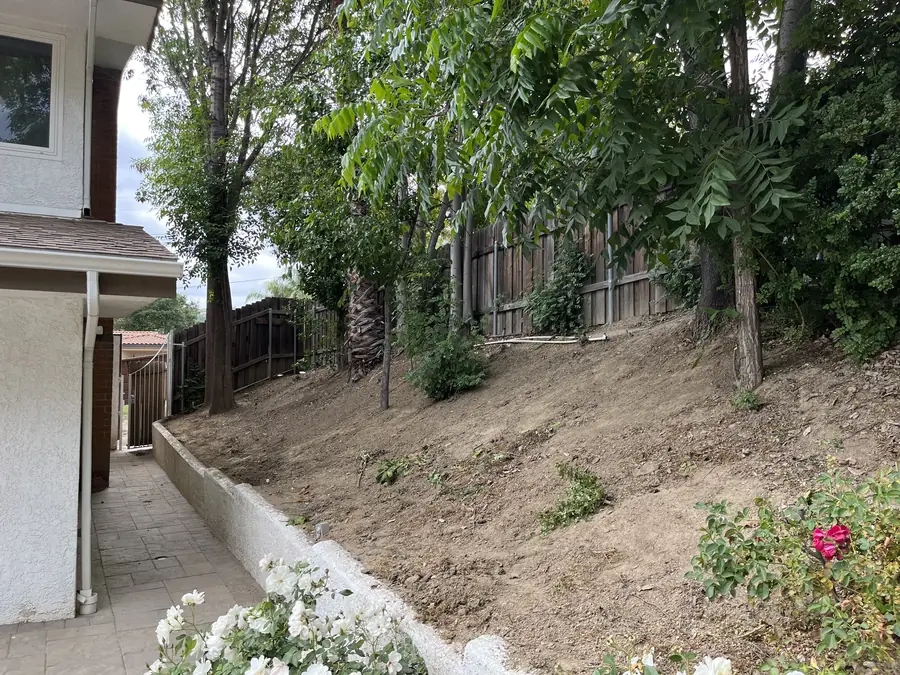
Elevation changes pressure. Every foot of rise costs pressure at the head, so a system that performs beautifully at the street can misbehave on the upper terraces of a property climbing toward the Verdugo Mountains foothills. Too little pressure makes heads throw short and leaves dry gaps. Too much causes misting, where water leaves the nozzle as fog and blows away before it lands. We measure static and working pressure on site, then zone by elevation and add pressure regulation so every head operates in the range it was designed for.
It holds pressure at the head within the nozzle manufacturer's intended range. Above that range, droplets shatter into mist that drifts and evaporates, so you pay for water that never reaches soil, and seals and fittings wear faster. Regulation can happen at the head with pressure regulating bodies, at the valve, or at the point of connection for the whole system, and the right spot depends on your specific pressure profile. It is one of the least visible upgrades on a property and one of the most effective at cutting waste without changing anything you see.
In planting beds, usually yes. Drip delivers water directly to root zones at a slow rate through emitters or inline tubing, which cuts evaporation, keeps foliage dry, and starves the weed seeds sitting in open soil between plants. Conversion means capping or reconfiguring the spray heads, adding a filter and pressure regulator at the valve since drip runs at low pressure, and laying out tubing to match actual plant spacing. Lawns generally stay on sprinklers. We also relabel the controller, because drip zones need much longer run times than the spray zones they replaced.
Rather than one long run, the controller waters in several shorter cycles separated by soak periods. Soil accepts water at a limited rate, and once you exceed it the rest runs off across the surface. Splitting a fifteen minute run into three five minute cycles with rest between them lets each application absorb before the next arrives. This matters most on clay soils, compacted lawns, and any slope. On Burbank hillside lots it is often the difference between deep root moisture and a wet sidewalk at the bottom of the driveway.
We start with the meter. With all fixtures off and the irrigation shut down, a moving meter dial points to a leak on the line rather than in the house. From there we isolate by zone, run each valve individually, and look for symptoms: soggy ground with no head nearby, a head that weeps after the cycle ends, gravel washed out over a pipe, unusually green stripes, or sunken soil. Valves that fail to close fully are a frequent culprit and are easy to miss because the system otherwise appears to work.
There may be. Burbank operates its own municipal utility, Burbank Water and Power, which means conservation programs, incentives, and requirements are administered by the city itself rather than the Los Angeles utilities that serve surrounding areas. Programs change, so we do not quote amounts or promise eligibility. What we recommend is checking directly with the city utility before you start, since some incentives require documentation gathered before the old system comes out. We are happy to specify equipment types that commonly appear in conservation programs, such as weather based controllers and drip.
They can. Burbank is its own incorporated city with its own municipal water utility, so watering rules, day and time limits, and conservation stages here are set and administered locally rather than following the LA utility schedule. That surprises people who move a few miles and assume the rules travel with them. We design systems that work comfortably inside tight watering windows, using efficient nozzles, correct zoning, and cycle and soak, so if allowed days get reduced your landscape has a fighting chance rather than needing an emergency redesign.
Valves are grouped into manifolds inside boxes rather than scattered around the yard, which makes diagnosis and repair far quicker later. We place boxes where they stay accessible, out of the main lawn area, and clear of future planting that will bury them. Each valve is labeled to its zone, wire runs are organized with spare conductors left in the sleeve for future expansion, and connections are made with waterproof connectors. The extra hour spent on tidy manifolds pays for itself the first time somebody has to troubleshoot at dusk.
Established Burbank neighborhoods have significant street trees and old garden specimens, and their roots extend well past the canopy line. We plan pipe routes to skirt root zones, hand dig or air excavate close to trunks, and tunnel under substantial roots rather than cutting through them. Routing a lateral a few feet out of its way is a small cost compared with losing a mature tree or triggering years of decline. Where a trench is unavoidable near a tree, we go shallower and narrower and restore the soil carefully afterward.
Never. Every irrigation project is performed by one licensed contractor, employees of Daniels Landscaping, from the initial pressure test to the final controller programming. One contractor are involved at any point on your property. Keeping the work under one contractor is why our systems get built the same way every time, why the person who trenched the line can explain the layout to the person servicing it later, and why you always know exactly who was at your home and who to call about it.
Reach Daniels Landscaping at (818) 443-9300 and we will arrange a visit to your Burbank property. We check pressure and flow, run each existing zone to observe coverage and spot failures, review your plant palette for hydrozoning opportunities, and discuss controller options and any city utility conservation programs worth investigating. You receive a free written estimate laying out the recommended scope and equipment in plain language. Daniels Landscaping holds California license 1138709, and the crew that arrives to install is our own.