
FAQ
Landscaping in Burbank, answered
The questions we hear most from Burbank homeowners.
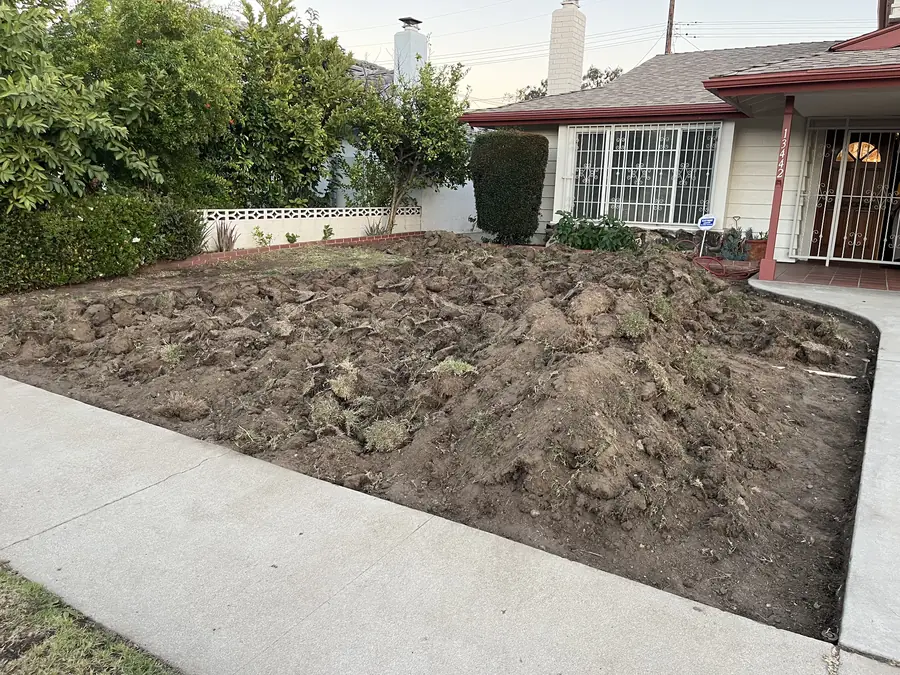
A full project covers everything from bare ground to a planted yard. That means clearing and demolition of what is failing, grading so the ground drains correctly, soil work, a planting layout with trees, shrubs and ground cover, a decision on lawn or turf or drought tolerant beds, irrigation adjusted to serve the new planting, and mulch to finish. Some yards also need edging, a path, or a small retaining element to make the plan work. We build a scope around what the property actually needs rather than selling a fixed package, and everything is written out before work starts.
Sequence matters more than most people expect. Demolition and clearing come first, then rough grading and any drainage correction, because moving soil after planting undoes the work. Irrigation lines go in next while trenching is still easy. Then soil amendment, then trees and large shrubs, since those are hardest to place and they set the structure of the yard. Smaller plants and ground cover follow, lawn or turf after that, and mulch last so it is not buried or contaminated. Any paving in the plan gets built before final planting so equipment does not damage new material.
Burbank is its own incorporated city, not a neighborhood of Los Angeles, so anything requiring review goes through the City of Burbank rather than LA departments. Plain planting, soil work and mulch generally do not trigger review. Grading past a certain scope, retaining walls, and changes to how drainage leaves the property are the items that commonly do. Because the rules and the counter are local, requirements can differ from what a neighbor in a bordering city was told. We confirm what applies to your specific scope with the city before we start rather than guessing and correcting later.
Burbank runs its own municipal utility, Burbank Water and Power, so conservation programs and landscape water requirements are administered by the city itself rather than by the utilities serving Los Angeles. Practically, that means program details, guidance on turf and irrigation efficiency, and any incentives are set locally, and information written for LA customers may not apply at your address. We design planting and irrigation for efficient watering regardless. If you are thinking about removing lawn or converting to low water planting, check directly with Burbank Water and Power about what is currently offered, and we will supply project details for anything you submit.
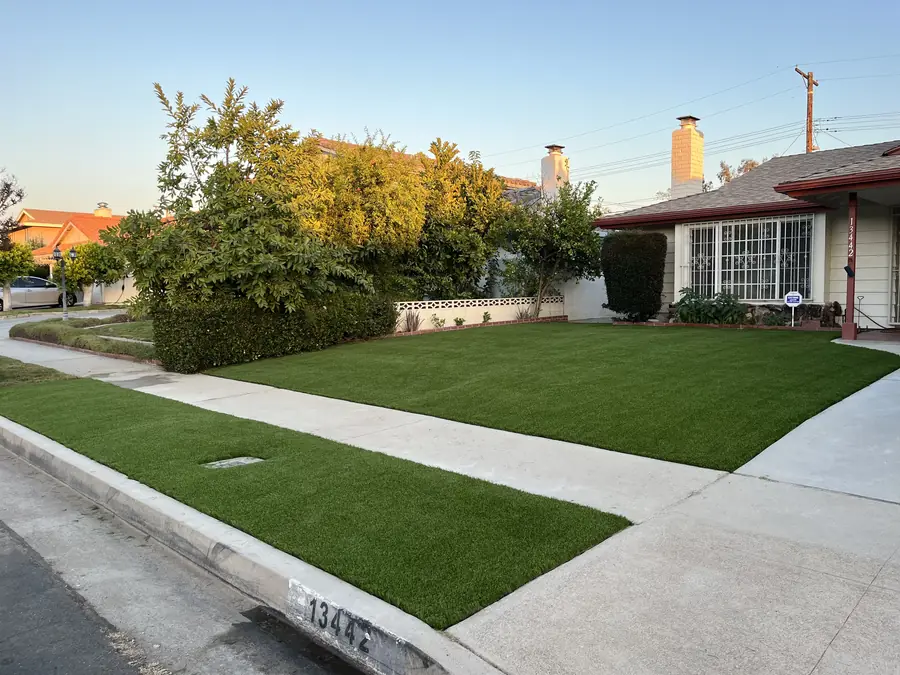
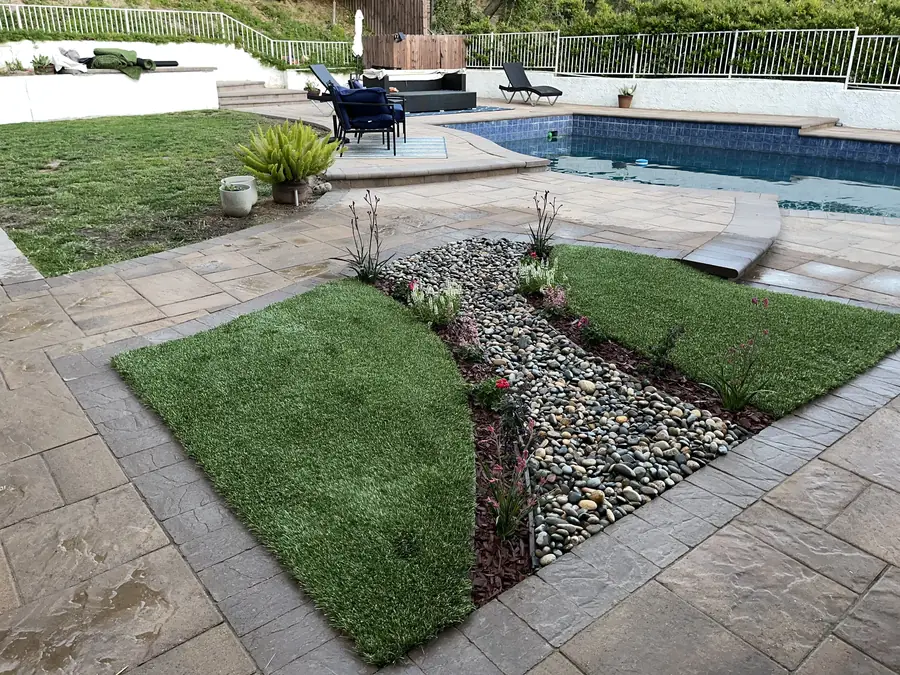
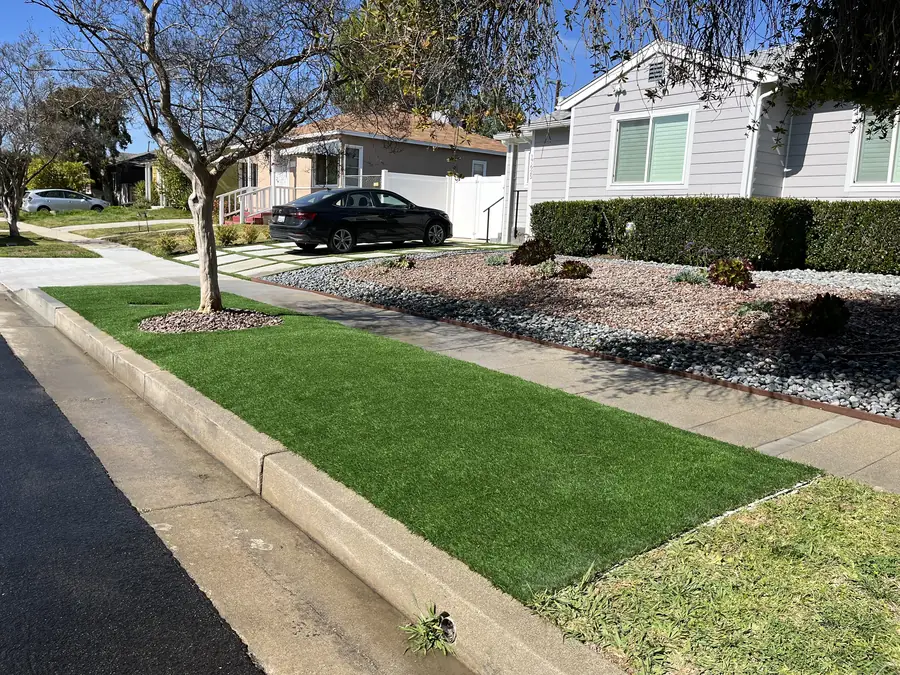
It comes down to use, water, and how much upkeep you want. Real lawn still looks and feels best and handles heavy play, but it wants regular water, mowing and feeding. Synthetic turf gives a green surface year round with almost no water, and it answers well for small yards, dog runs and shaded spots where grass thins out. Drought tolerant beds use the least water and give the most seasonal interest, though they read as garden rather than open field. Plenty of yards end up with a mix, a modest lawn or turf area framed by low water planting.
Water has to leave the property, and most yard problems trace back to it not doing so. Flat lots in south and central Burbank often sit close to level, which sounds easy but leaves nowhere for water to go, so we build in fall and sometimes add area drains. Properties on the north side rising toward the foothills have the opposite issue, plenty of slope and too much speed, which erodes soil and undercuts planting. Either way, grade gets shaped before anything is planted, since correcting it afterward means tearing out finished work.
Most residential soil around here has been compacted by years of foot traffic, construction, or a lawn that was never top dressed. Before planting we break up that compaction, blend in compost or another amendment matched to what is going in, and open beds to a depth that lets roots move. Native and low water species often want better drainage rather than richer soil, so the treatment is not uniform across a whole yard. Where soil is genuinely poor or full of construction debris, raised beds or imported soil is the more honest fix, and we will say so.
Burbank neighborhoods are established and the street trees show it, which is both a real asset and a real constraint. Large roots run farther from the trunk than people expect, often well into the front yard, so we hand dig in those zones instead of trenching through them, keep irrigation lines out of the critical root area, and choose plants that tolerate root competition. Cutting major roots to force a design through can destabilize a tree and is never worth it. City street trees also belong to the city, so pruning or removal is not a homeowner decision.
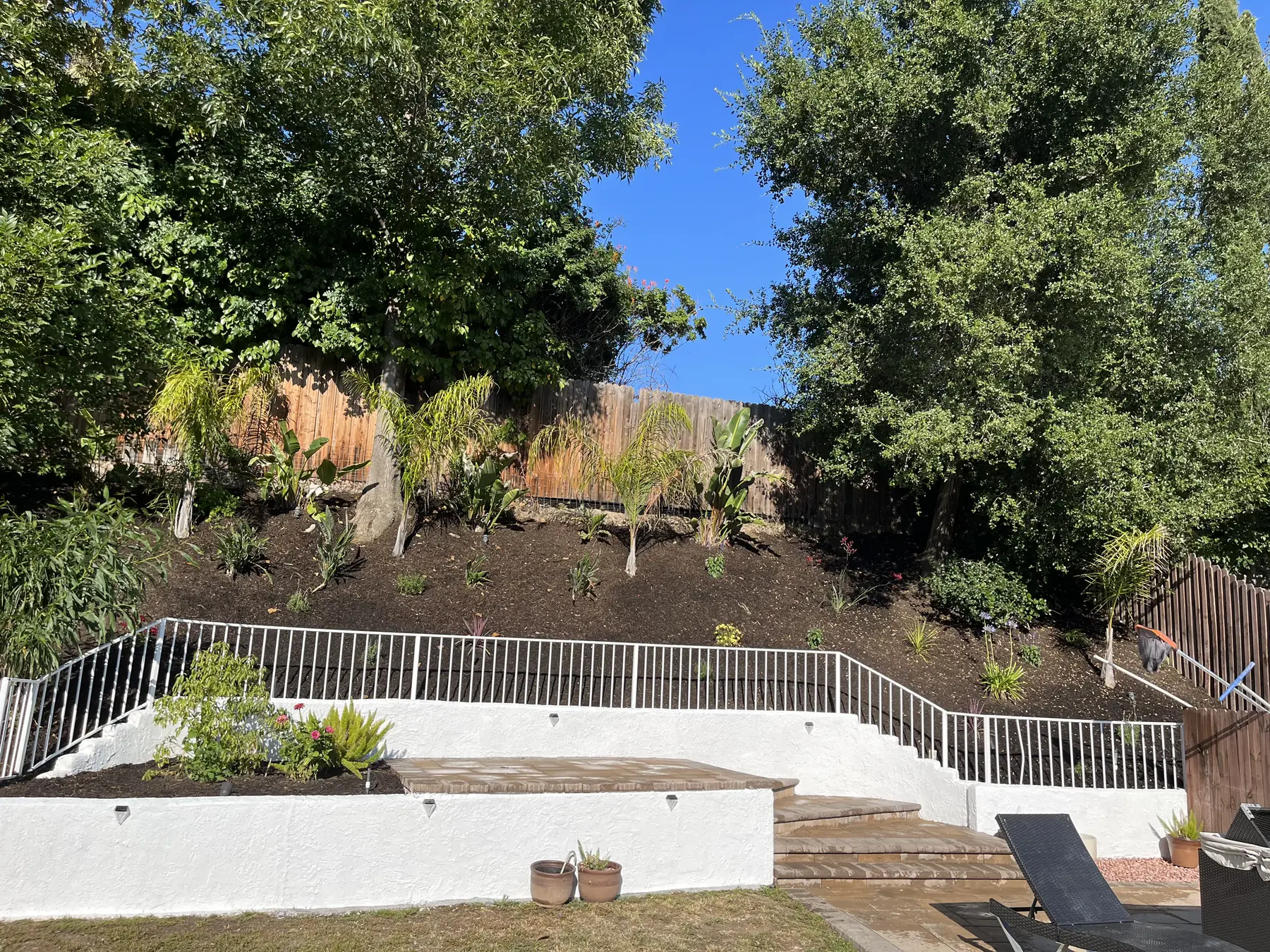
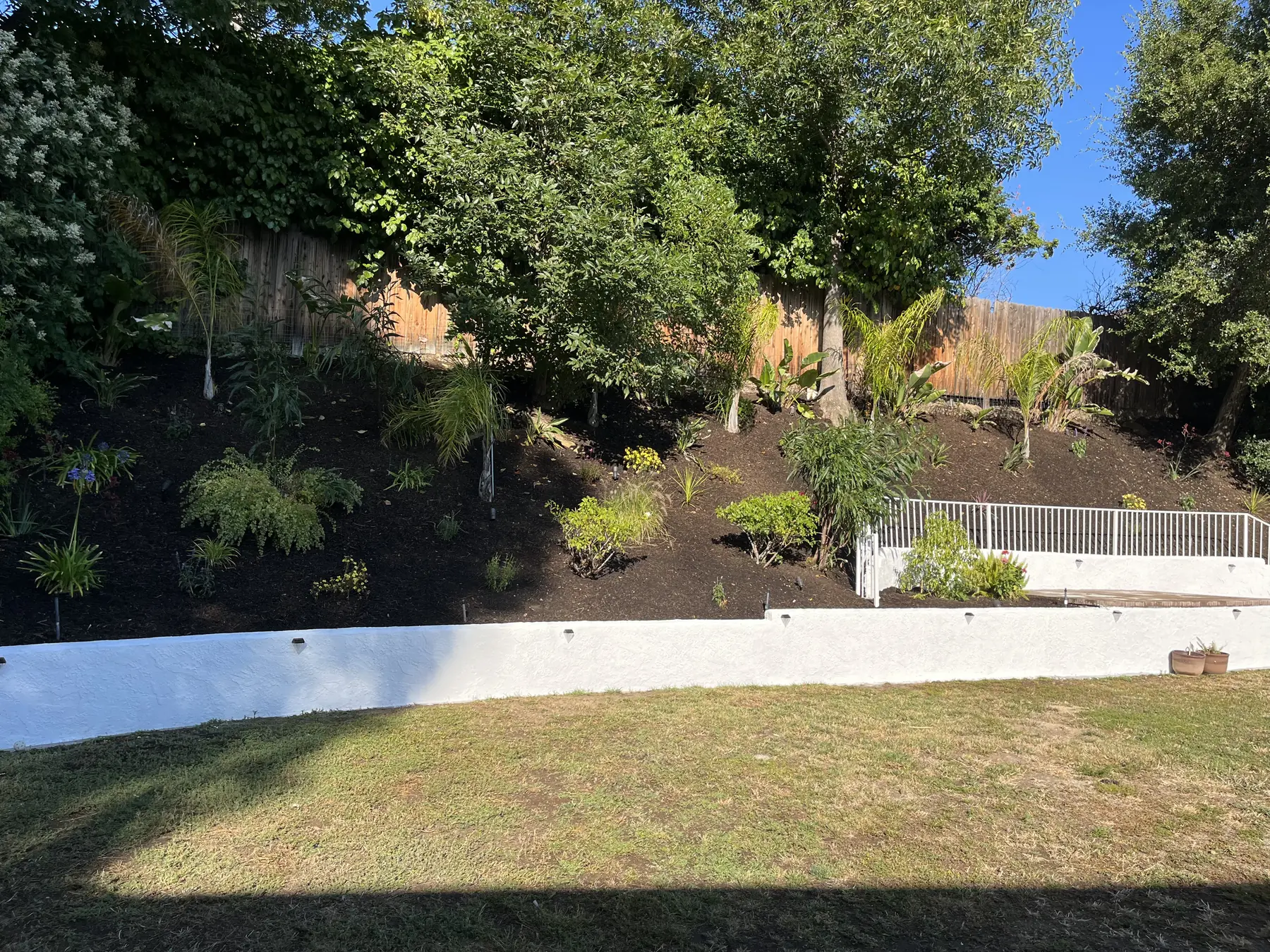
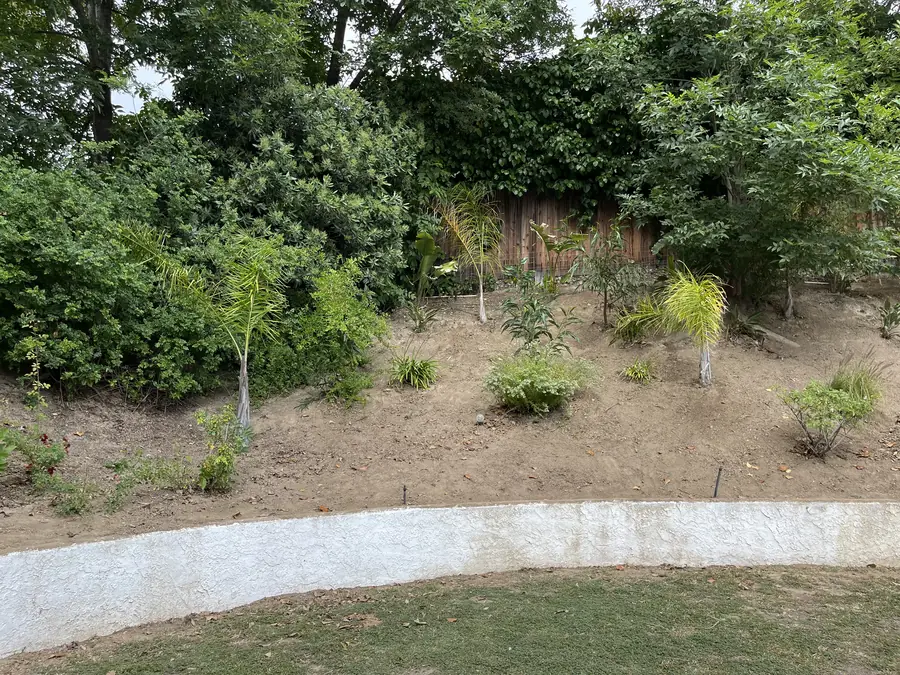
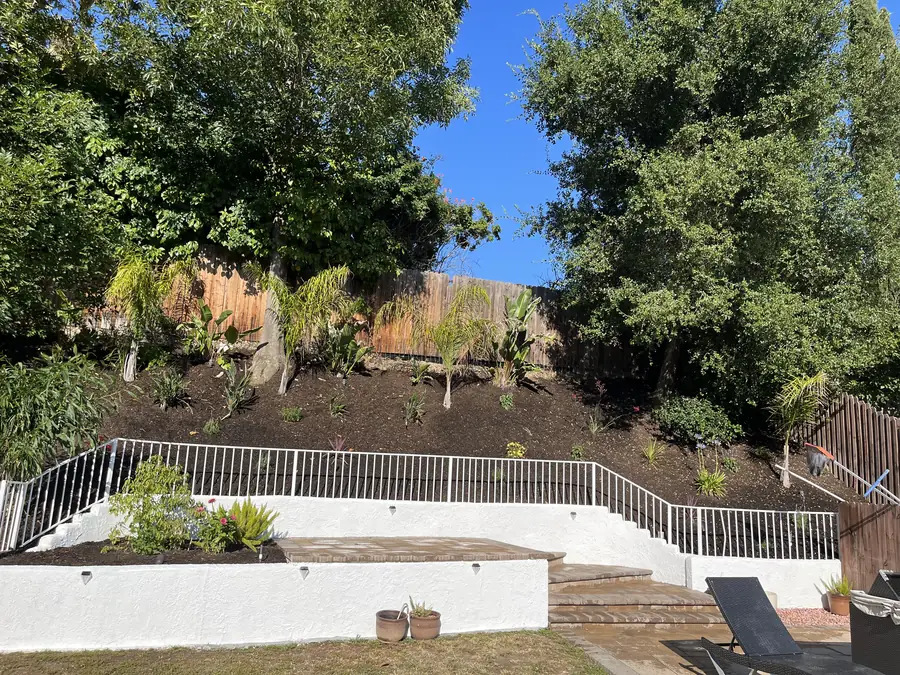
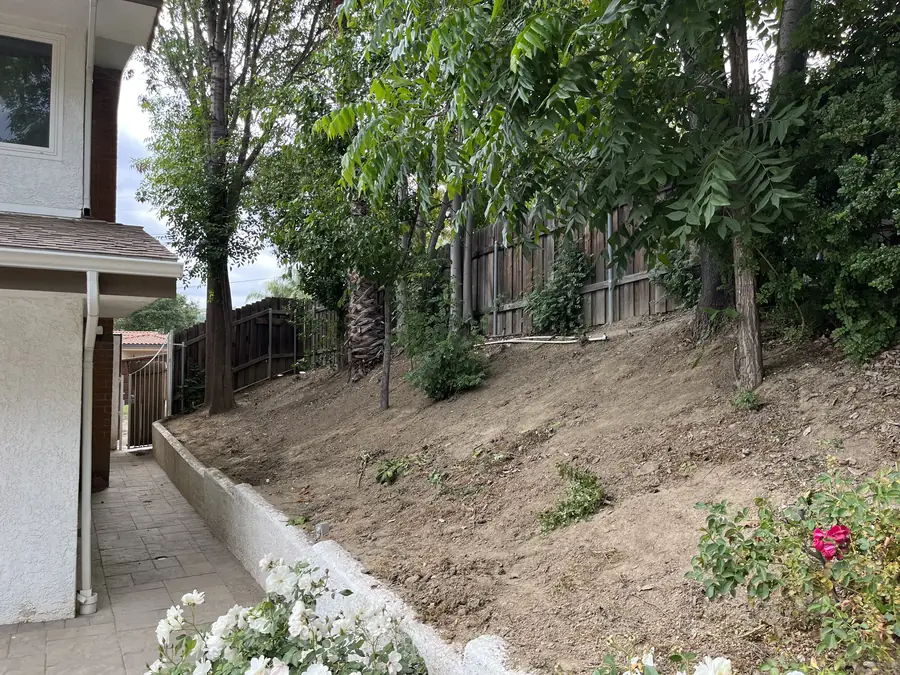
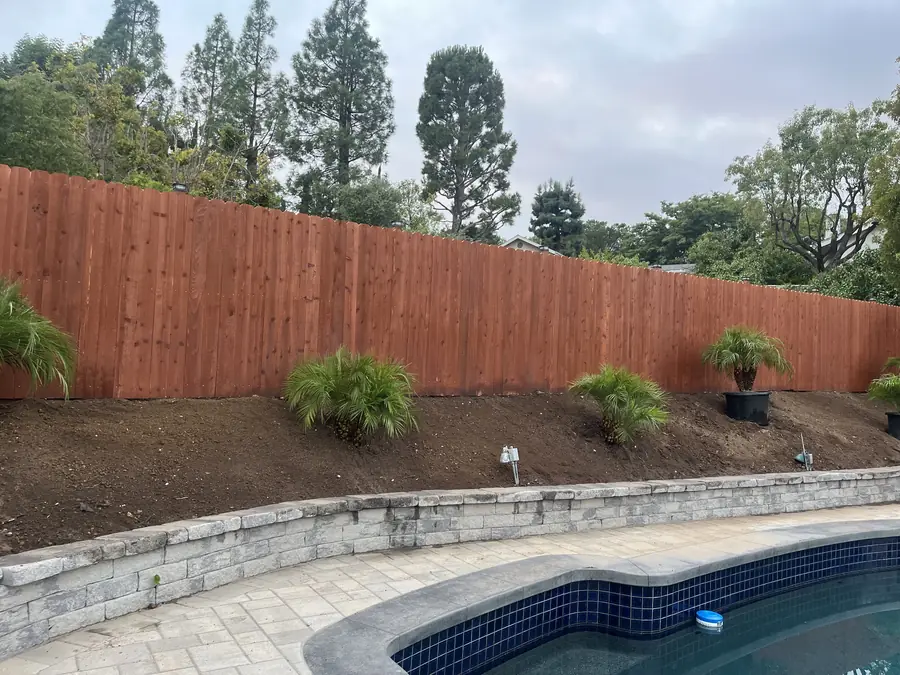
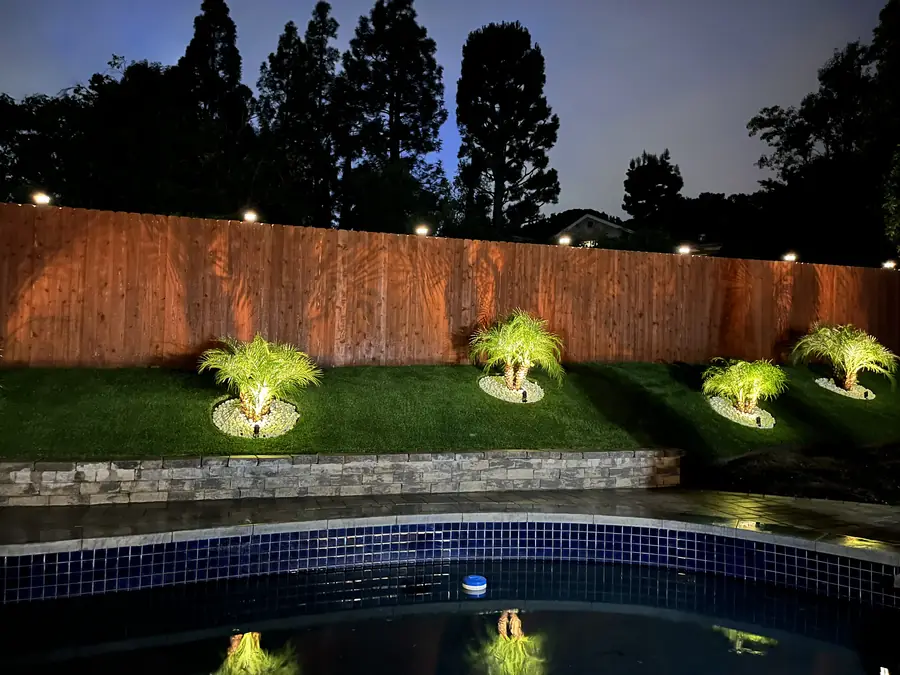
Yes. The north end of the city climbs into the Verdugo foothills, and those lots come with slope, changes in level, and views worth designing around. Slope planting needs deep rooted material that holds soil, irrigation that applies water slowly enough to soak in instead of running off, and often terracing or low retaining to create usable flat area. We also pay attention to sight lines so the planting frames a view rather than growing up into it. The approach differs enough from a flat lot that we walk the property before proposing anything.
Often yes, and it is worth checking before replacing everything. We run the existing system, look at coverage, pressure and head condition, and find out whether the zones still match how the yard will be used. Converting spray zones to drip for new planting beds is common and straightforward. Where the controller is old, valves leak, or the pipe layout no longer relates to the design, replacing that portion costs less than fighting it for years. Any recommendation to replace comes with the reason attached, and you see it written out in the estimate.
Hot dry summers and mild wet winters favor Mediterranean climate plants, California natives, and tough evergreen shrubs that keep structure through the year. We lean on those for the backbone, then place thirstier or more delicate material only where conditions justify it, such as a protected patio corner or a shaded side yard. Exposure matters as much as the plant list, since a south facing front yard and a north facing rear yard on the same property behave like different climates. Selection happens after we see the site, not from a catalog.
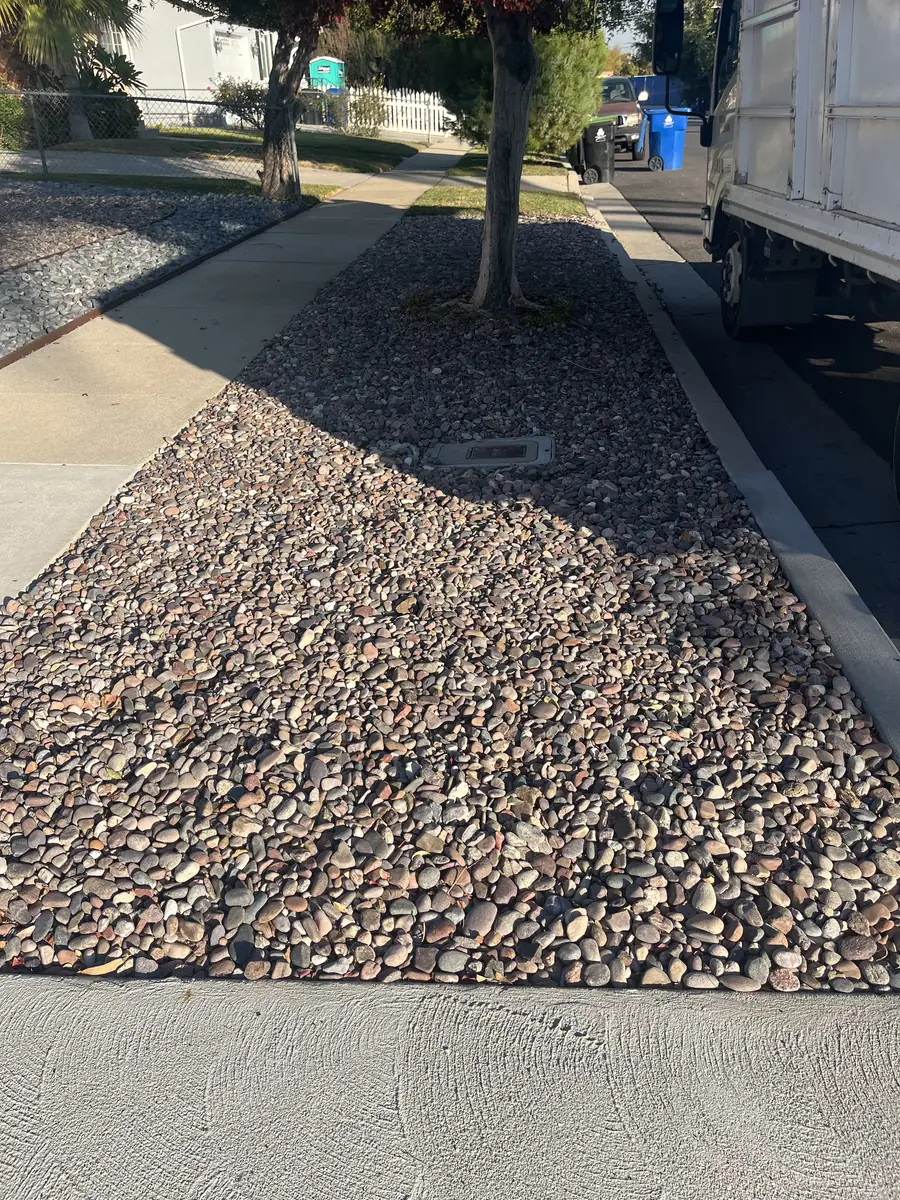
It does more work per dollar than almost anything else in a yard. A layer of mulch holds soil moisture so irrigation runs less, moderates soil temperature, suppresses a large share of weeds, and slowly feeds the soil as it breaks down. Bark and wood chip suit planting beds, while gravel or rock mulch fits low water and desert style planting where you want the surface to stay loose and dry. We keep mulch pulled back from trunks and stems, because piling it against them traps moisture exactly where it causes rot.
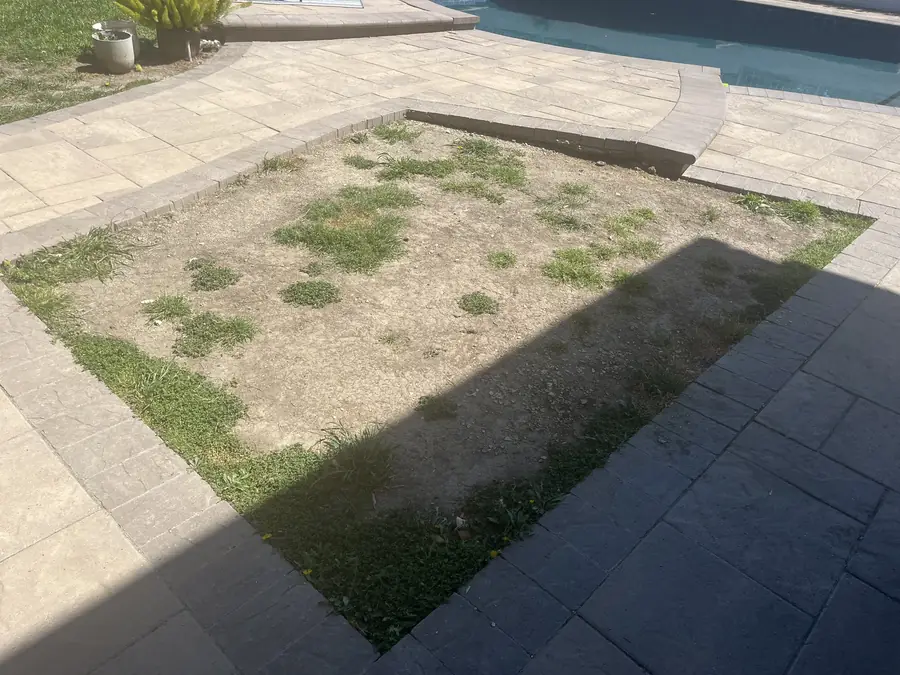
Dense shade is one of the most common conditions in older Burbank neighborhoods, and it explains why so many lawns look thin and patchy no matter how much water they receive. Under a heavy canopy we plant shade tolerant ground cover, ferns and understory shrubs instead of fighting for grass. Dry shade beneath established trees, where roots take most of the moisture before anything else gets a share, calls for an even tougher list. Sometimes thinning the canopy lets enough light through to widen the options, and sometimes a mulched, planted bed is simply the better answer.
No. Every phase of your project is performed by one licensed contractor. The people who demo and grade are the same company as the people who set irrigation, place plants and finish the yard. That is deliberate. When one crew owns the whole job, nothing gets dropped between trades, the schedule does not depend on somebody else's availability, and the standard of work stays the same from the first day to the last. It also means you always know who is on your property, and there is one company accountable for the result.
New planting needs attention through the first year while roots establish, and we tell you exactly what that looks like: watering frequency by season, when to taper it back, and what to watch for. We also walk the finished yard with you and go through the irrigation controller so you are not guessing. Ongoing maintenance beyond that is a separate conversation, and we are straight about what a yard will actually demand rather than promising it takes care of itself. A low water design reduces the work considerably, but no landscape is genuinely zero maintenance.
Fall through early spring is the easier window in Southern California. Cooler air and winter rain let roots establish before summer heat arrives, so plants go in with less transplant stress and lower water demand in the first months. That said, work happens year round here, and summer planting is entirely workable with sound irrigation and mulch, just with closer watering attention early on. Grading, drainage and irrigation are not season sensitive at all. If your schedule is flexible, we will tell you honestly whether waiting a few weeks buys you anything worth having.
It looks tidy the day we leave and looks mature considerably later. Ground cover generally knits together over a season or two, shrubs read as intended once they have put on a couple of growing seasons, and trees take the longest. We can plant at larger sizes to shorten the wait, though larger stock costs more and sometimes establishes more slowly than smaller material. A good design accounts for spacing at mature size, which means a new yard looks slightly open on purpose. Crowding plants for instant fullness creates a problem you pay for later.
Call (818) 443-9300 and we will set a time to walk the property. We look at grade, soil, sun, existing irrigation and the trees already on site, listen to how you want to use the space, then put together a free written estimate that lists scope and materials plainly. Daniels Landscaping is licensed in California, license number 1138709, and every phase is handled under one licensed contractor. There is no charge and no obligation for the estimate, and having it in writing lets you compare it fairly against anything else you are considering.