
FAQ
Renovations in Toluca Lake, answered
The questions we hear most from Toluca Lake homeowners.
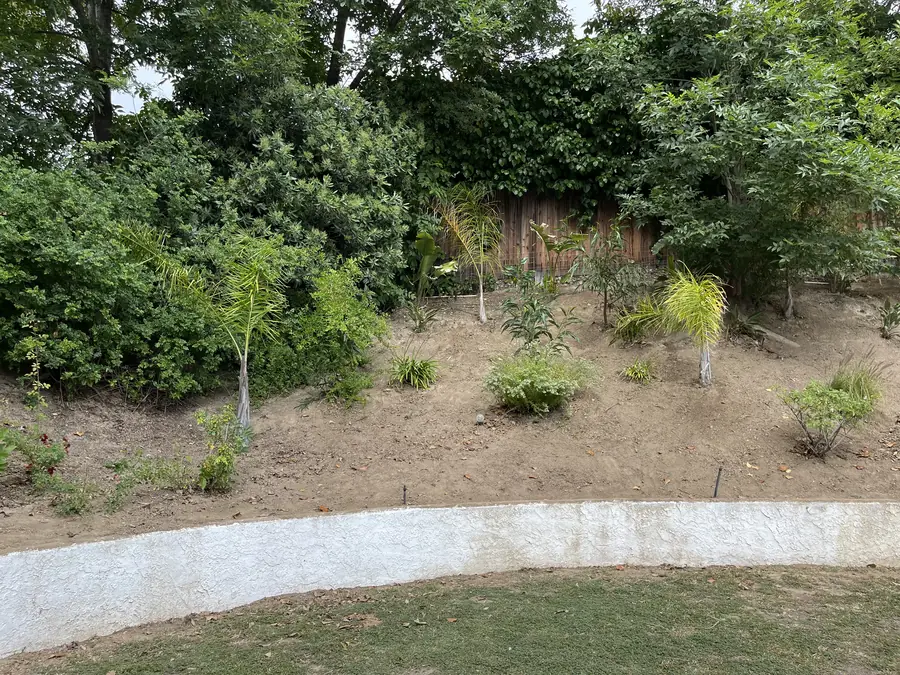
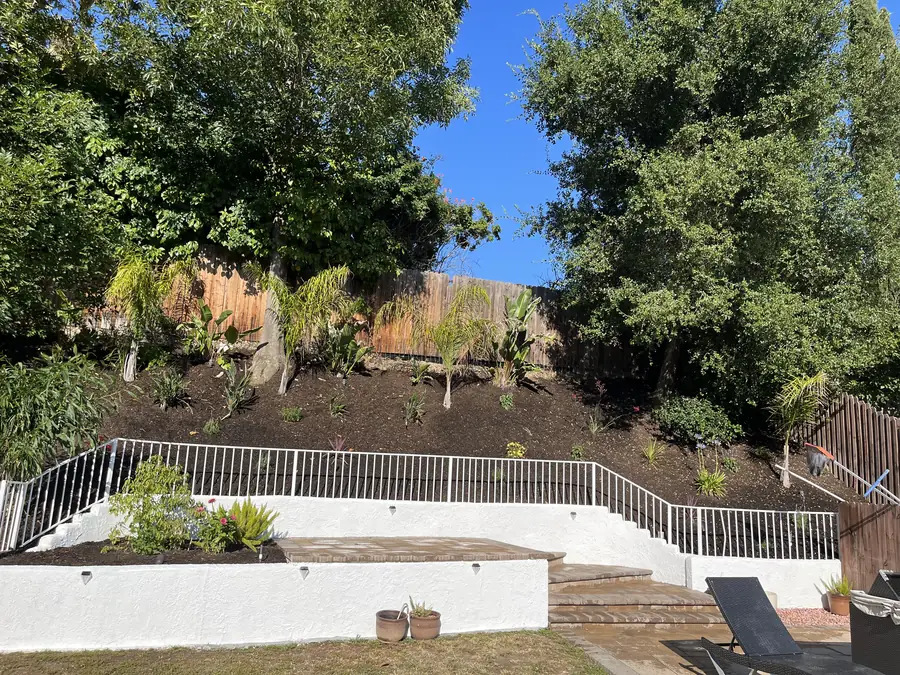
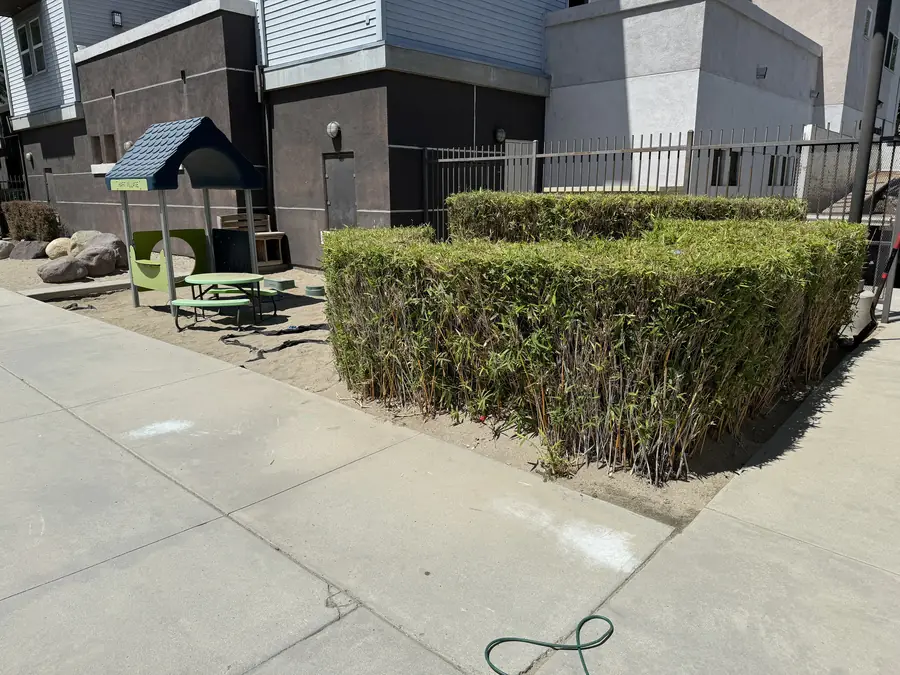
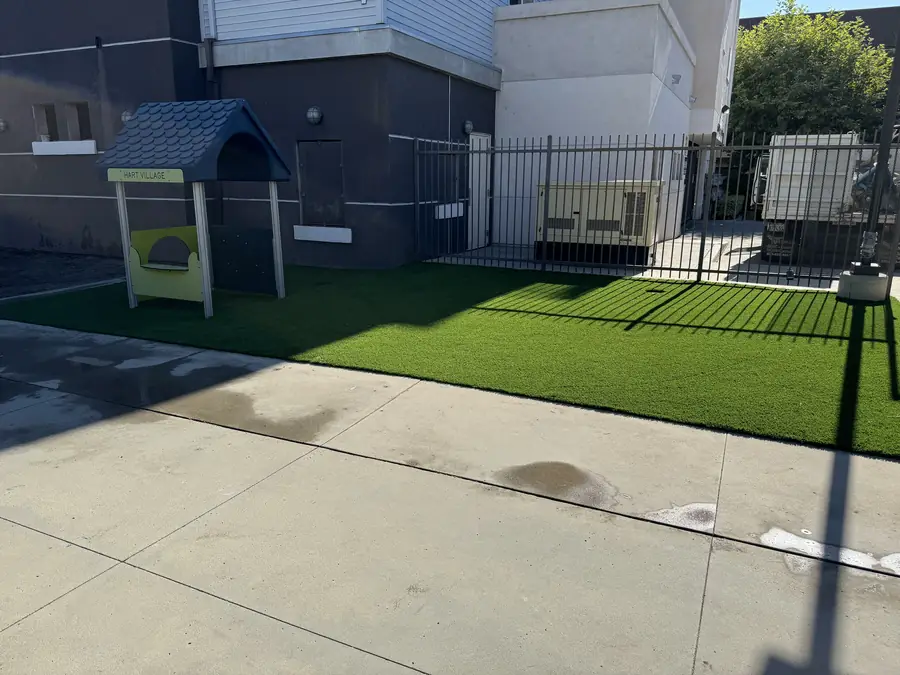
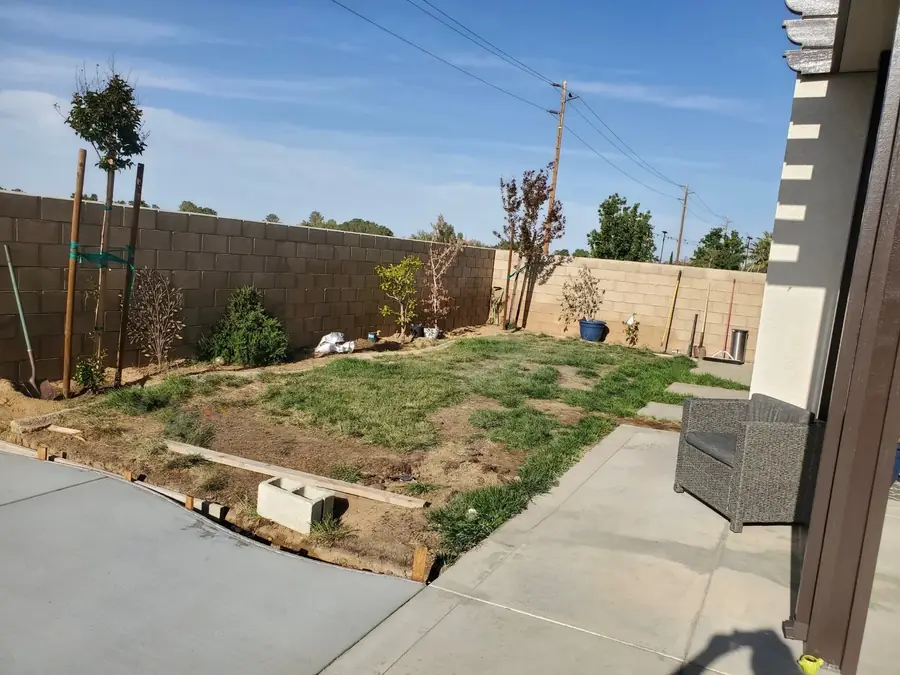
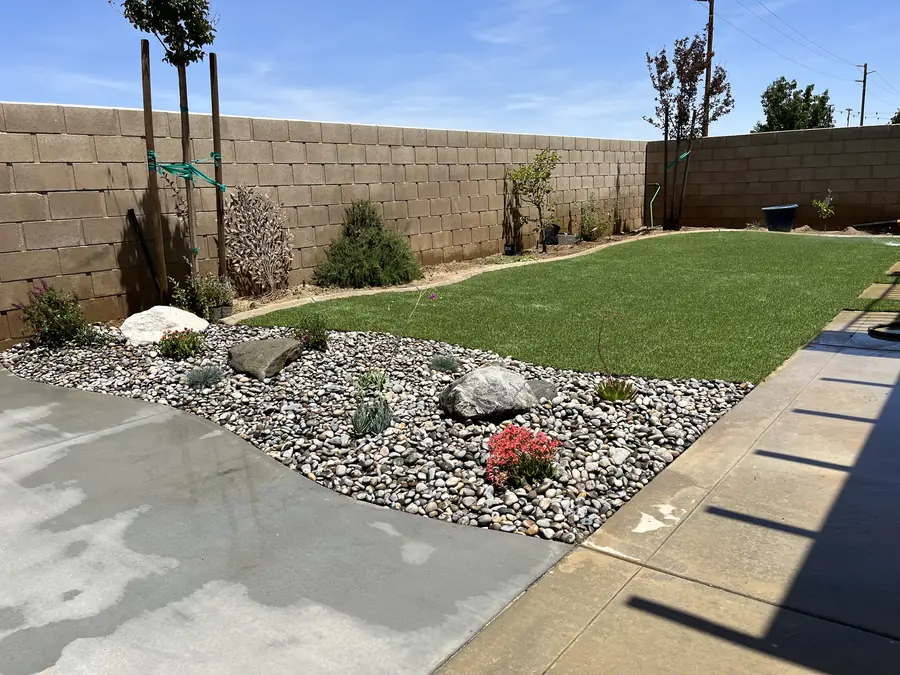
A renovation reworks what is already on the property instead of starting from raw dirt. The typical Toluca Lake project opens with an honest assessment of what deserves to stay, then moves through demolition and haul away, regrading and drainage corrections while the soil is exposed, updated irrigation, new hardscape, and fresh planting at the end. Common triggers are turf that has failed, concrete that has cracked and lifted, sprinkler work from a previous era, or a layout that no longer matches how the family actually uses the yard. Established structure is normally retained.
By walking the property and sorting it into three piles. Some things stay because they are healthy, valuable, and difficult to replace, which on these lots almost always includes the mature trees and any soundly built existing wall. Some things go because they have failed, such as lifting concrete, dead turf, or irrigation that leaks more than it delivers. The rest is a judgment call, and that is where we give you an opinion rather than a menu. Removing something reusable is waste, and keeping something failing means paying to work around it twice.
That is the normal case here, not the exception. Mature trees are the defining feature of many Toluca Lake properties, and a renovation is generally organized around them from the first sketch. Their root zones will not tolerate equipment traffic, trenching, or a change in soil level, so the demolition plan, the machine routes, and the new grade all get drawn to respect them. Where a new surface would fall inside a root zone, we lift it, float it, or move it. The tree predates the project and will outlast it, so it sets the terms.
The sequence is fixed, and skipping ahead costs money. Demolition comes first so the site is clear and the actual ground is visible. Grading and drainage follow while the soil is open and a machine can still reach. Utilities and irrigation go in next, because they live under everything. Hardscape is built on top of that, and planting goes in last so new material is not trampled by the rest of the work. Any project that plants before drainage is corrected will be dug up again, which is a bill paid twice for one result.
Carefully, and along a route decided in advance. Established Toluca Lake properties often carry mature planting, finished driveways, and narrow side yards between the street and the back, so the haul path is set before demolition begins and whatever it passes gets protected. Broken concrete, old base rock, dead sod, and spoil are loaded and taken off site rather than stockpiled where they compact soil or lean against a trunk. Where the side yard is tight, material moves in smaller loads with compact equipment. Keeping that path clear of root zones is a fixed rule.
That is one of the best reasons to renovate. Standing water usually traces back to grade running the wrong direction, soil compacted by years of traffic, or a downspout emptying where it has nowhere to go. Once demolition is complete the ground is open, machinery can reach, and correcting the fall costs a fraction of what the same correction would cost after new surfaces are down. Depending on what we find, the remedy might be regrading alone, or it might add area drains, a French drain, or a dry well. Solving it now avoids paying for it later.
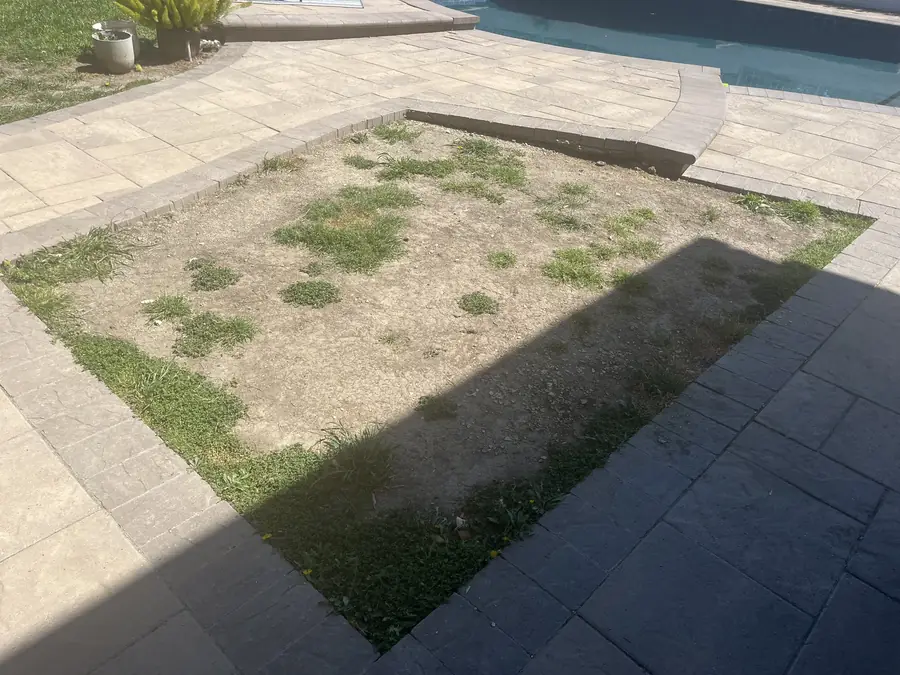
The honest answer is usually to stop fighting for lawn in that spot. Turf needs sun, and beneath a full Toluca Lake canopy the light simply is not available, which is why the grass thinned and went patchy to begin with. Laying fresh sod produces the same result in a couple of seasons. The alternatives look better anyway: shade tolerant ground cover, a planting bed with layered foliage, or a clean surface of stone or decomposed granite where foot traffic runs. Where sun does reach part of the yard, lawn can stay in that portion.
Tear it out in most cases. Cracked and lifting concrete has usually failed because of what sits beneath it, whether that is poor base, root movement, or water, and covering it with pavers or an overlay leaves the cause in place. The new surface then telegraphs the same cracks within a few years. Removal also lets us correct the grade underneath, which is often the reason water ends up against the house. Where a slab is sound, level, and merely dated, resurfacing is a legitimate option, and we will tell you plainly which situation you have.
Almost always, and it is cheaper during a renovation than at any other moment. Systems on older Toluca Lake properties tend to be a patchwork of repairs, with heads that no longer match, valves nobody can locate, and spray zones watering planting that would rather have drip. While trenches are already open for grading and hardscape, replacing lines, valves, and heads adds far less than doing the same work later through finished surfaces. New planting also has different water needs than what came out, so zoning gets redrawn to suit what is going in.
Yes, and on a large property it often makes sense. The rule is that phases must follow the same order the whole job would follow, not simply be divided by whichever part of the yard bothers you most. Drainage and grading across the affected area come first, and any utility or irrigation line that will eventually cross a future patio gets stubbed while the ground is open. With that groundwork in place, you can build the back yard now and the side or front later without tearing into finished work. We plan the whole yard, then build it in agreed stages.
By setting a hard rule about soil level near the trunk. Roots on a mature Toluca Lake tree run wide and shallow, and adding a layer of soil over them or cutting the grade down to remove one is enough to kill a tree that has stood for decades. Inside the root zone we hold the existing level, work by hand where digging is unavoidable, and route new drainage around rather than through. Equipment is kept out with fencing. Grade change becomes a design constraint at that point, so the plan bends around the tree instead.
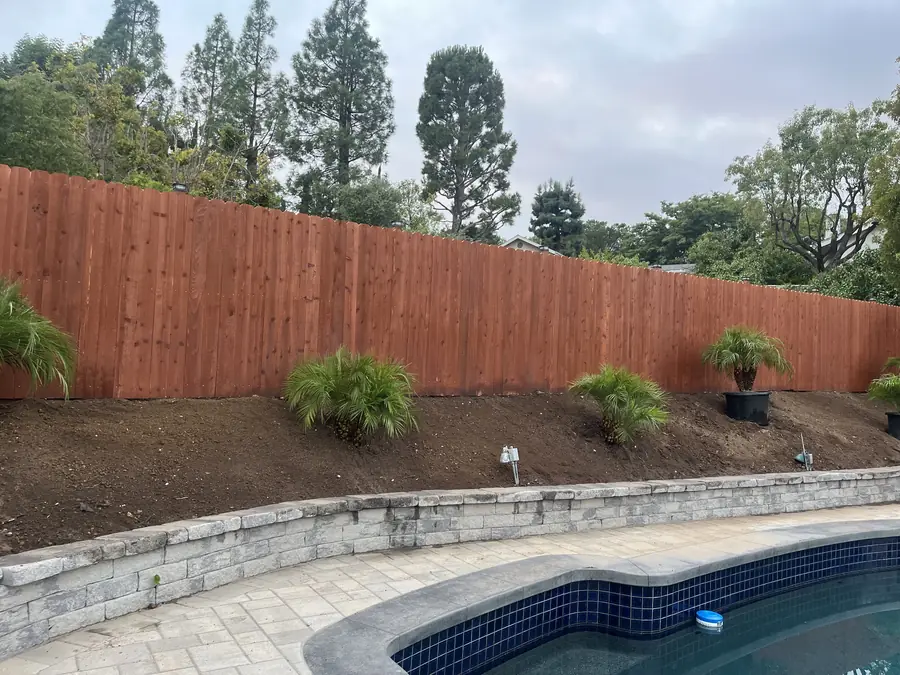
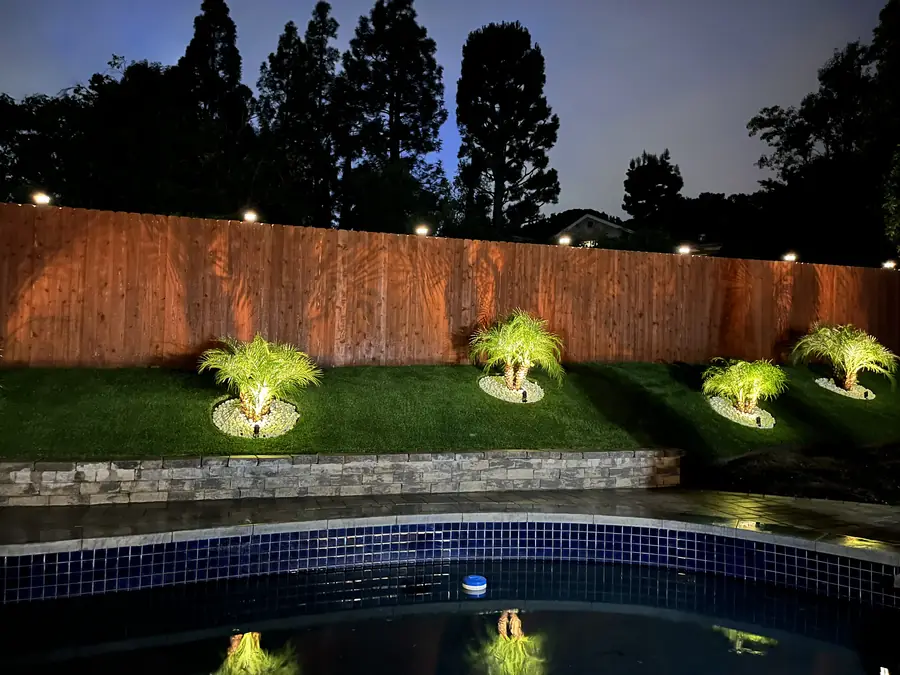
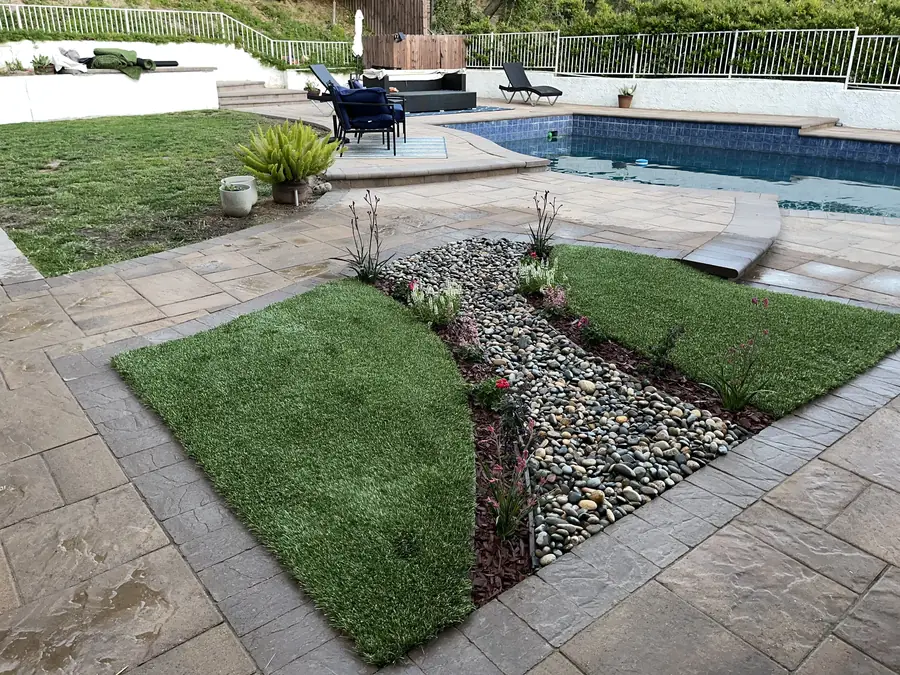
In most cases the pool stays and everything around it changes. Dated pool areas usually suffer from a tired deck surface, planting that has outgrown its place, drainage that pools water at the coping, and lighting that was never really designed. Replacing decking with pavers or stone, rebuilding the surrounding beds, and correcting the fall away from the shell transforms the area without touching the pool itself. On the larger lots here there is normally room to add a shaded lounge zone or dining terrace beside it rather than crowding everything against the water.
That is a real consideration in this neighborhood, and it should be. Toluca Lake yards are held to a consistent standard, and a renovation that arrives loud will look out of place no matter how well it is built. We keep material palettes tied to the house, favor restrained detailing over novelty, and size new elements to the proportions of the existing lot and canopy. The aim is a yard reading as though it has always been that way rather than something recently installed, which usually means fewer moves executed carefully.
Litter is designed for, not fought. On Toluca Lake properties with big canopy trees, leaf fall is continuous, so we choose planting with foliage that hides light debris rather than displaying every leaf, and keep fine textured ground covers out of the heaviest drop zones. Bed edges are detailed so leaves can be blown clear without scattering mulch. Surfaces beneath the canopy get smooth units and clean joints instead of loose gravel. Mulch depth is set knowing natural leaf drop will add to it, which is free soil improvement if the layout allows for it.
It can matter more than the surface suggests. Toluca Lake lies near the Los Angeles River at the east end of the valley, and ground on the low side of a property tends to hold water longer than expected after a wet stretch. During a renovation the ground is open, and that is the moment to deal with it, whether by establishing proper fall, adding area drains, or building beds up so root crowns sit above wet soil. We check where water actually collects before regrading, since the low point on paper is not always the low point in reality.
Renovation is usually the stronger option here, because much of what makes these properties valuable already exists. The trees, the settled grade, and the mature structure of a Toluca Lake lot took decades to arrive and cannot be purchased back. Clearing everything to start fresh throws that away and pays to recreate a weaker version of it. What generally needs replacing is the built material and the systems: failing concrete, tired irrigation, poor drainage, and planting that has outgrown its space. Keeping the bones and rebuilding the rest gives more yard for the money.
No. Every stage of the renovation is performed by the Daniels Landscaping crew, who are our own employees. One licensed contractor stays accountable for the work, the grading, the irrigation, the hardscape, or the planting to anyone else. That matters most on a renovation, where conditions change once the ground is open and decisions have to be made on the spot by people who understand the entire plan. One crew means one point of accountability, one schedule, and no gaps between trades where problems normally hide. The people who start your yard are the people who finish it.
Reach us at (818) 443-9300 and we will arrange a site visit. Walking the yard together is the only way to judge what is salvageable, where water is going, and what condition the existing irrigation and surfaces are actually in. After that visit you receive a free written estimate that sets out the phases and the scope in plain language. Daniels Landscaping is licensed in California under number 1138709 and performs the work with one licensed contractor. Neither the visit nor the written estimate carries a fee or any obligation.