
FAQ
Irrigation in Toluca Lake, answered
The questions we hear most from Toluca Lake homeowners.
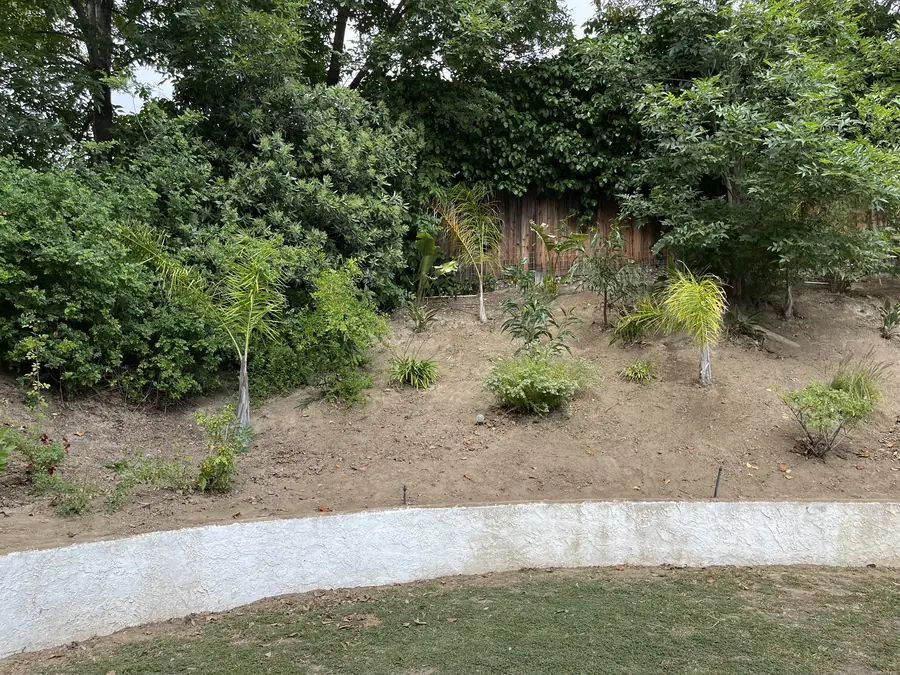
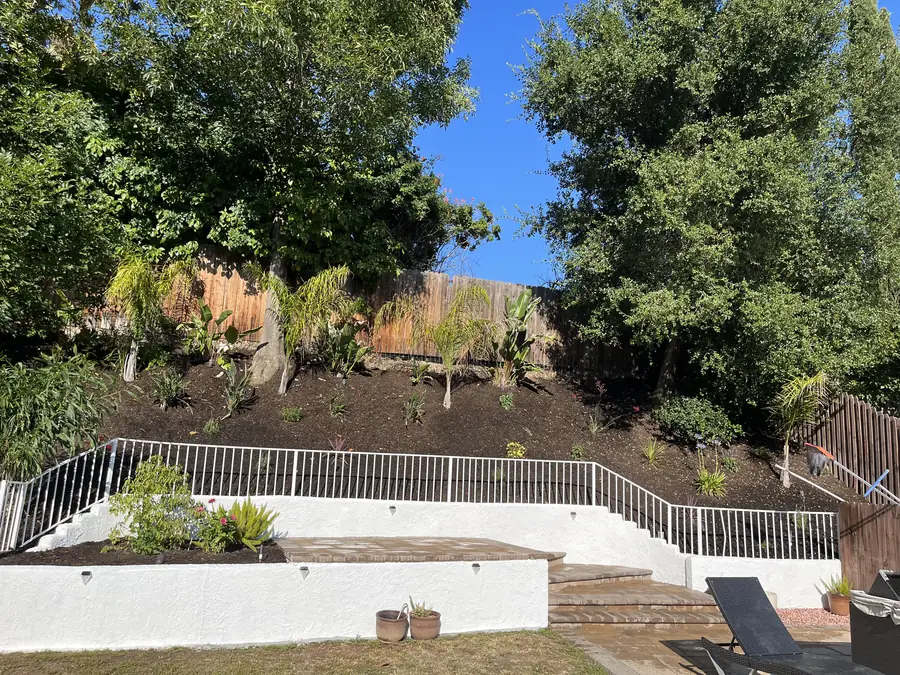
Shade changes the math completely. Ground shielded by a mature canopy loses far less water to evaporation than open lawn in full sun, so it needs watering less often, and putting both on one valve guarantees that one of them is wrong. Shaded planting gets its own zone with its own run time. We also watch for the familiar trap of turf struggling in deep shade, where more water is the instinctive reaction and rotted roots are the usual result. Sometimes the honest fix is different planting rather than a longer schedule.
No, and this is among the most common problems we find on established properties. Turf wants short frequent cycles that wet only the top few inches of soil. A mature tree wants water applied slowly and deeply, out toward the drip line where the feeder roots actually live, and far less often. A tree living on a lawn schedule keeps its roots shallow and stays thirsty through heat. Significant trees get a dedicated zone, usually bubblers or drip arranged in a ring well away from the trunk, run long and infrequently.
Yes, and it is planned that way from the beginning rather than adjusted in the field. We map where the significant roots run before choosing pipe routes, then take lines around root plates, follow existing bed lines and paths, and hand dig anywhere we are inside a critical zone so roots are discovered rather than severed. Where a line truly must cross, we go beneath rather than through, and keep the excavation to the width and depth genuinely required. One careless trench can cost a tree that took decades to grow.
Hydrozoning simply means grouping plants with similar water needs onto the same valve so a single run time suits everything on it. On a typical property here that might be a shaded bed beneath the canopy, a sunny strip along the drive, a lawn panel, and the established trees, and every one of those wants a different amount at a different frequency. Mixed zones force a compromise in which the thirstiest plant sets the schedule and everything else quietly drowns. Sorting this out is often the single biggest improvement to an older system.
It depends on the shape and size of the area. Spray heads throw a fixed pattern over a short distance and apply water fast, which suits small panels but runs off quickly on any slope. Rotors reach much farther with a slow moving stream and suit larger open lawns. Rotary nozzles split the difference, fitting into a spray body while applying water gently across a medium radius, which helps where soil accepts water slowly. The principle that outranks the hardware choice is matched precipitation, meaning every head on a valve applies at the same rate.
The conversion happens at the valve and at the heads. Pressure regulation and filtration go in at the zone, because drip operates at far lower pressure than spray and clogs without a screen. Spray bodies inside planting beds are either capped or converted to feed tubing, then the tubing is laid out with emitters sized to each plant and covered under mulch. Run times are rewritten entirely, since drip delivers gallons per hour rather than inches per minute. The beds where this pays off fastest are the shaded ones that were always overwatered.
Constantly, and it is worth designing around. Leaves pack into pop up heads and stop them retracting, they block spray patterns so one side of a bed goes dry, and broken down litter works its way into emitters and filters. In beds under a heavy canopy we set heads at a height that keeps them clear where appropriate, put filtration on every drip zone, and place emitters where they can be found again beneath mulch and debris. On service visits we clear heads, flush drip lines, and clean filters rather than simply swapping parts.
Misting means pressure is too high for the nozzle. Water leaving as fog drifts away, evaporates, and never reaches the root zone, so the valve runs longer and the plants still come up short. The remedy is pressure regulation, whether regulated spray bodies, a regulator at the valve, or a pressure reducing valve for the whole system, depending on what we measure at the meter. High pressure also shortens the life of everything downstream, blowing seals and cracking fittings. We check static and working pressure first rather than guessing from the look of the spray.
We start by isolating. Shut the system down, watch the meter, and see whether water still moves with every valve closed, which points at the mainline rather than a zone. Then each valve runs on its own while we look for the tell tale signs, a soft wet area, a head weeping after shutdown, a low spot that never dries, or a valve that will not close because debris sits on the diaphragm. Once the zone is identified we dig only where the evidence leads, repair the line or fitting, and pressure test before closing up.
A weather based controller adjusts run times against real conditions rather than repeating one fixed schedule all year. It pulls weather data or reads an onsite sensor, then trims cycles through cool damp weeks and extends them during heat. On a property with deep shade beneath trees and sunnier ground out at the edges, that adjustment applies per zone, which is where the savings actually come from. It also puts a shutoff in your pocket when a head breaks, and it keeps a record of what ran, which makes troubleshooting considerably faster.
Yes, and it is inexpensive insurance against the thing every neighbor notices, sprinklers running in the rain. A sensor interrupts the controller once measurable rainfall accumulates and releases it once things dry out. Even where a smart controller already reads forecast data, an onsite sensor confirms what genuinely landed on your property instead of what a regional station recorded. Mounting matters, so we place it in the open where rain reaches it rather than tucked beneath an eave or, on these lots, under a dense canopy that would keep it dry through a storm.
Backflow prevention stops irrigation water, along with whatever it has picked up from soil and fertilizer, from being drawn back into the drinking water supply when pressure drops. Any system tied into a potable supply needs an appropriate device, and the type depends on the system and on local requirements. The device must be installed at the correct height and orientation to function, and it has to stay accessible. We check what sits on your service now, because older properties frequently have a device that has failed, been bypassed, or gone missing entirely.
Because the soil accepts water more slowly than the heads deliver it. Once the surface saturates, everything after that heads for the sidewalk. Cycle and soak solves it by splitting one long run into several shorter passes with rest between them, giving each pass time to absorb. Compacted soil, slopes, and years of shallow watering all make the problem worse. We program cycle and soak into the controller, look at whether the nozzle rate is simply too aggressive for the ground, and in some cases aerate or amend so the soil can take water again.
Grouped, accessible, and out of sight, in that order of importance. Valves are manifolded together in boxes rather than scattered across the yard, which keeps service straightforward and the wiring tidy. On streets where the finished look carries real weight, we place boxes within planting beds along a consistent line rather than in the middle of a lawn panel, set lids flush and level with grade so nothing catches a mower, and keep them clear of the main sight lines from the house and the street. Zones are labeled so nobody has to guess later.
Local water agencies do sometimes run rebate programs for water saving upgrades, commonly weather based controllers, high efficiency nozzles, drip conversions, and turf replacement. Programs open and close, funding shifts, and eligibility rules vary, so we never quote an amount and never promise that you will qualify. What we can do is install equipment of the kind that commonly appears on those lists and provide documentation of exactly what went in. Checking current programs directly with your water provider before committing is the sensible move, and it takes very little time.
Restrictions typically limit which days you may water and sometimes how long each zone may run, which makes efficiency the entire game. If you only receive a couple of windows, every minute has to land in the root zone rather than on pavement or in the air. That calls for correct head spacing, matched precipitation, pressure regulation, drip in the beds, and cycle and soak so nothing runs off. Deep infrequent watering happens to suit restricted schedules well, another reason established planting rides them out better than shallow rooted turf.
Daniels Landscaping employees, every time. One licensed contractor stays accountable for the work. The crew that trenches, glues the pipe, sets the valves, wires the controller, and tunes the heads works for us, and those same people come back whenever the system needs service. That continuity is the reason we know where your lines run without guessing, and the reason a repair is finished to the same standard as the original installation. You deal with one company from the first walkthrough through every service call afterward.
Reach us at (818) 443-9300 and we will schedule a walkthrough. We check pressure and flow at the meter, look over the controller and valves, run each existing zone so you can see for yourself where coverage falls apart, and note where trees and shade ought to change the zoning. You then receive a free written estimate covering zone layout, head and nozzle types, drip, controller and any repairs, itemized rather than lumped together. California license 1138709 stands behind Daniels Landscaping, and the installation is carried out under one licensed contractor and nobody else.