
FAQ
North Hills landscaping questions, answered
What homeowners in North Hills ask us most.
Same place, older name. The area was called Sepulveda for decades before the change, and you still hear it from longtime residents and see it on older paperwork. Nothing about the housing changed along with the name. It remains largely postwar tract homes on modest, regular lots in a quiet residential setting. We serve the entire area along with the surrounding central Valley communities, so whichever name you use when you call, we know exactly where you are.
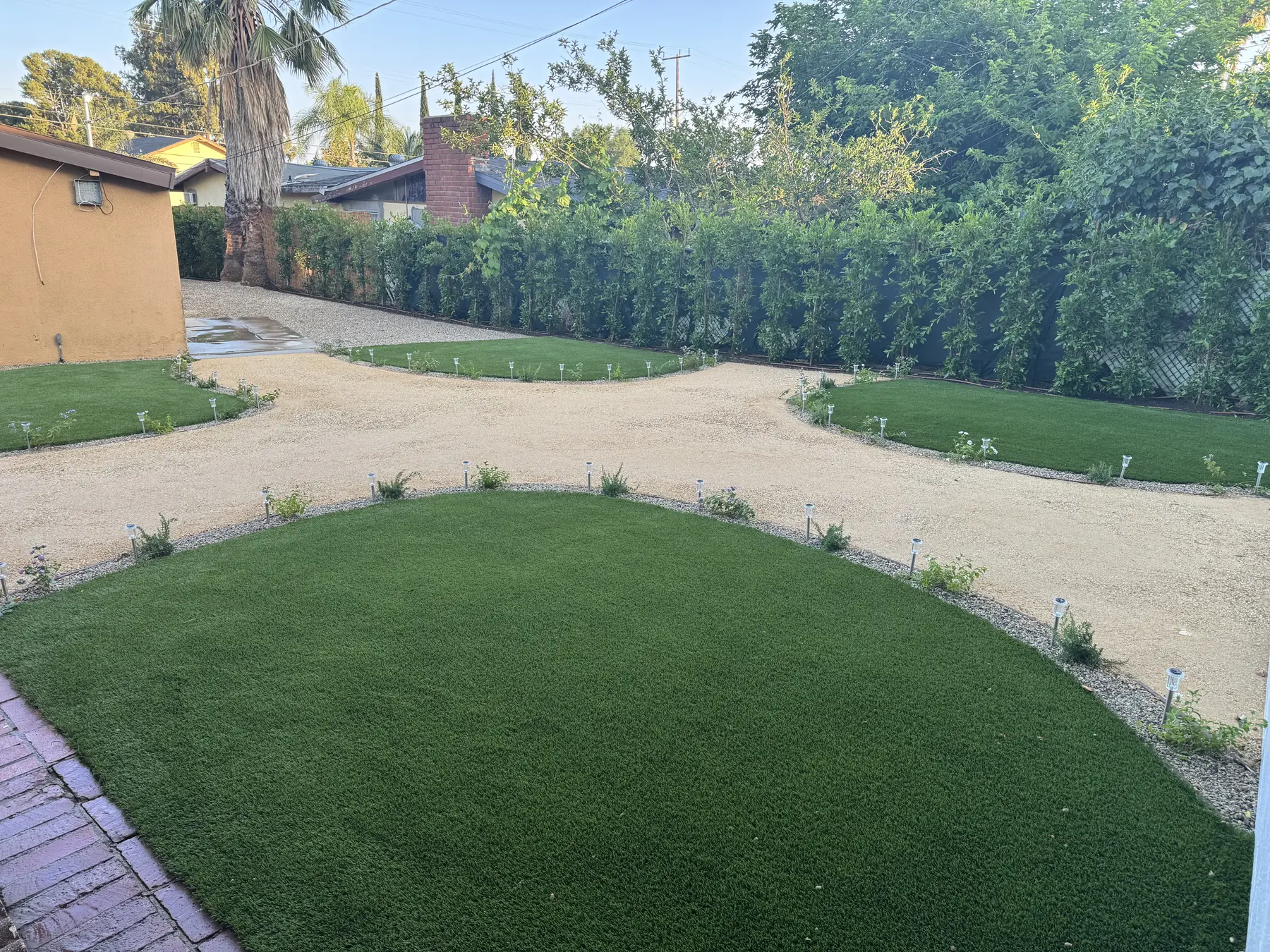
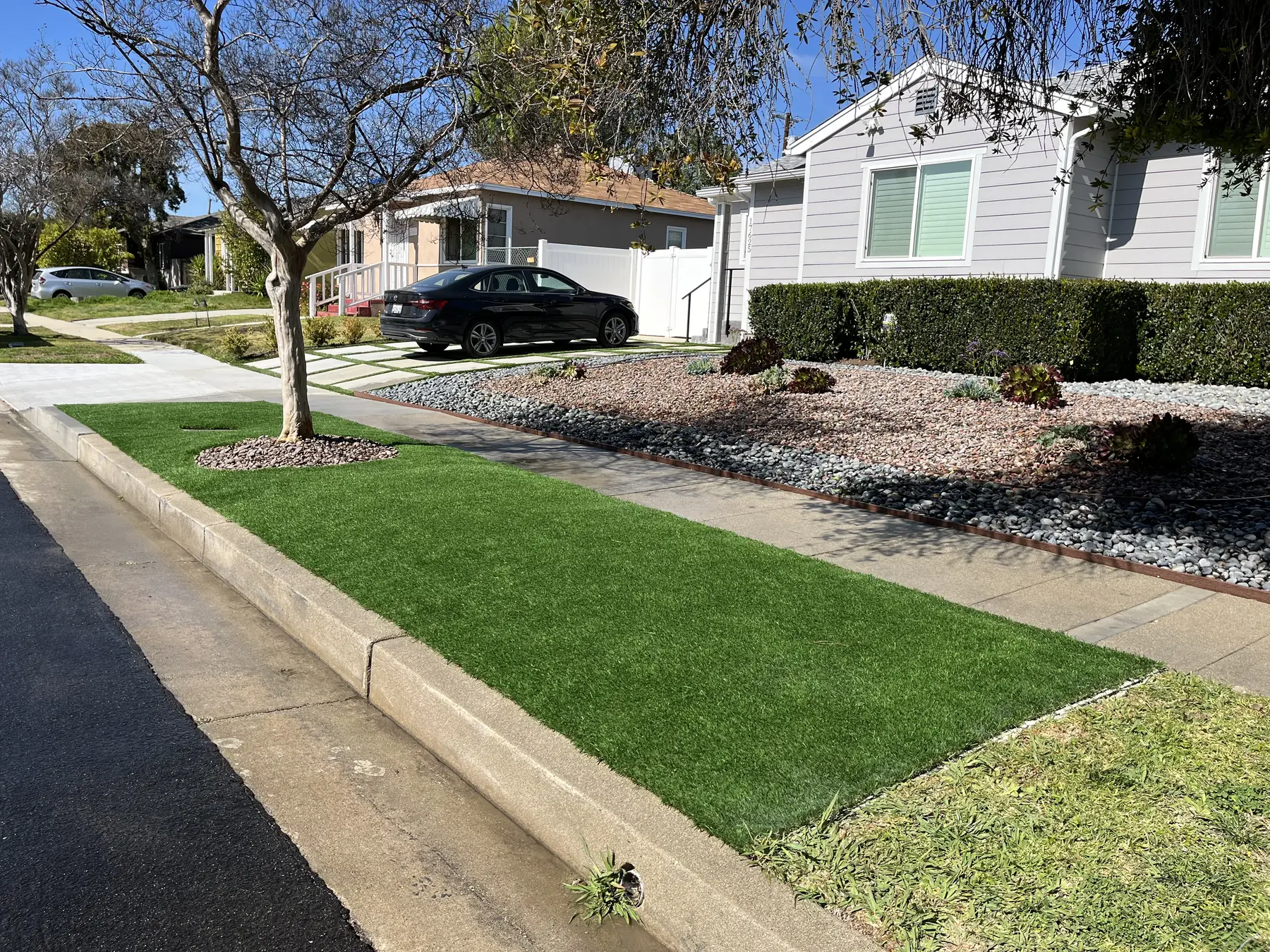
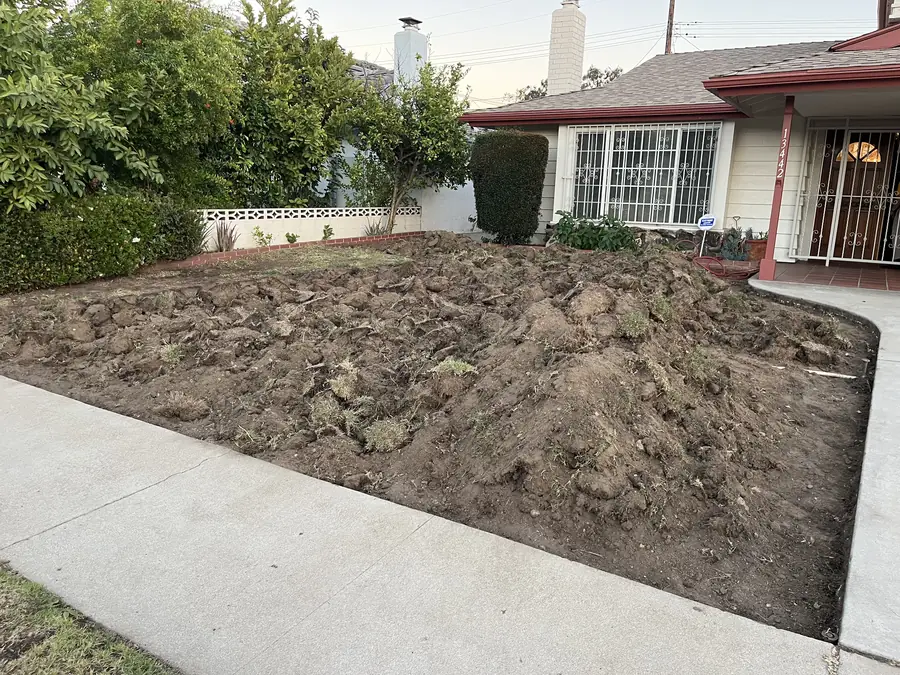
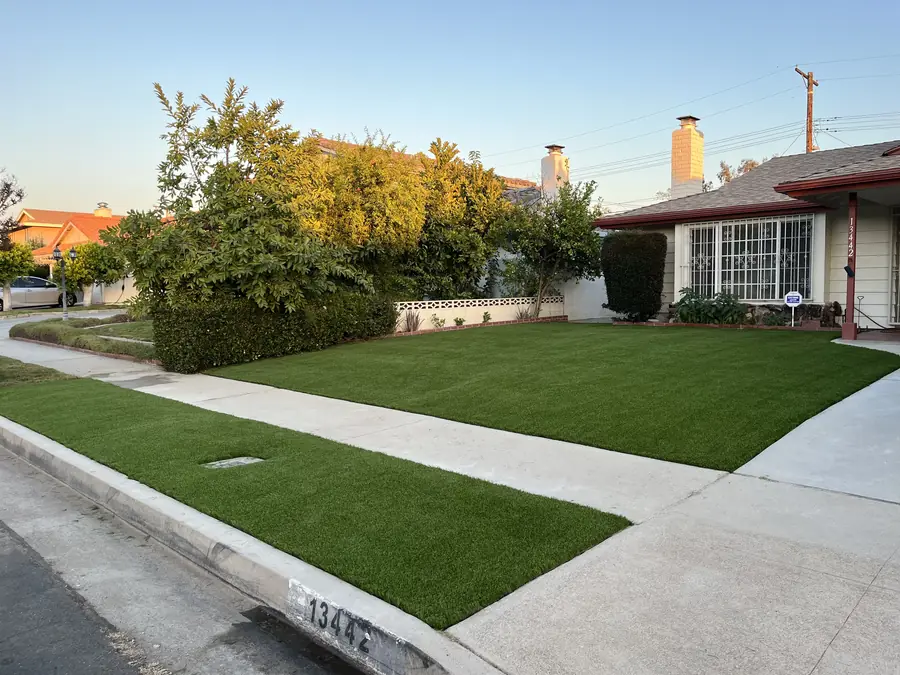
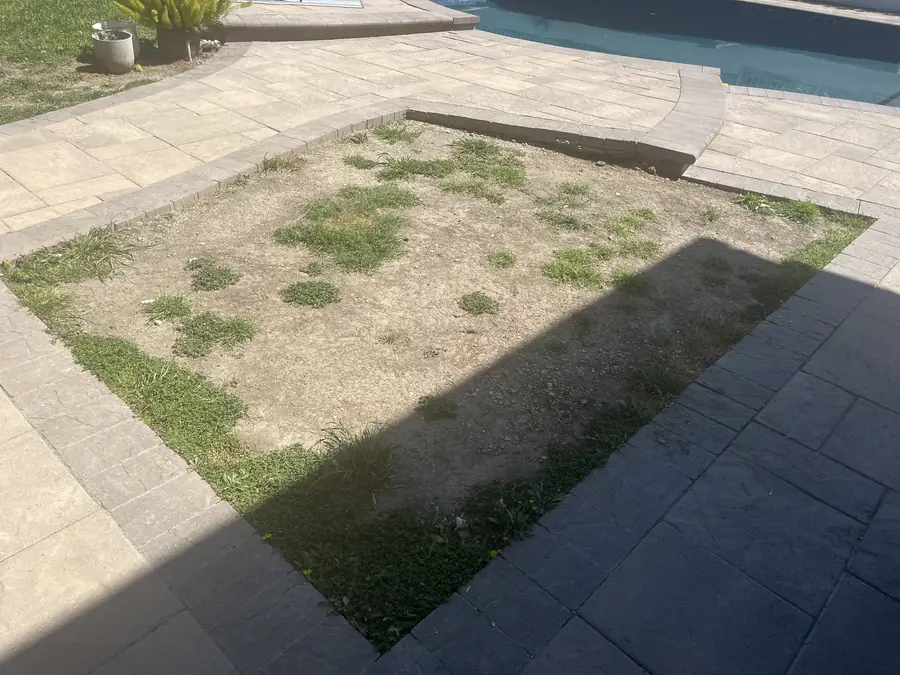
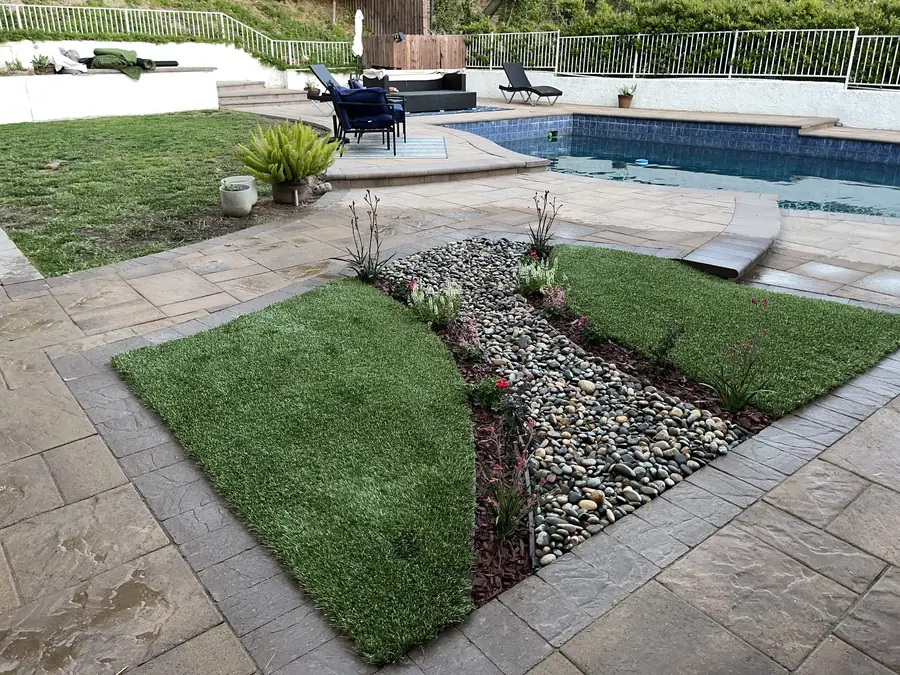
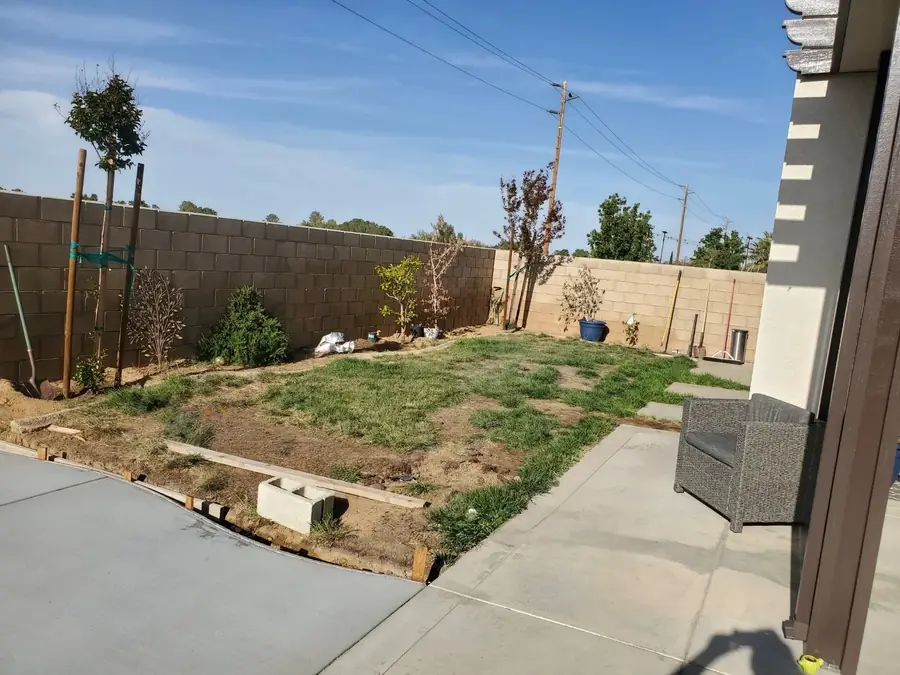
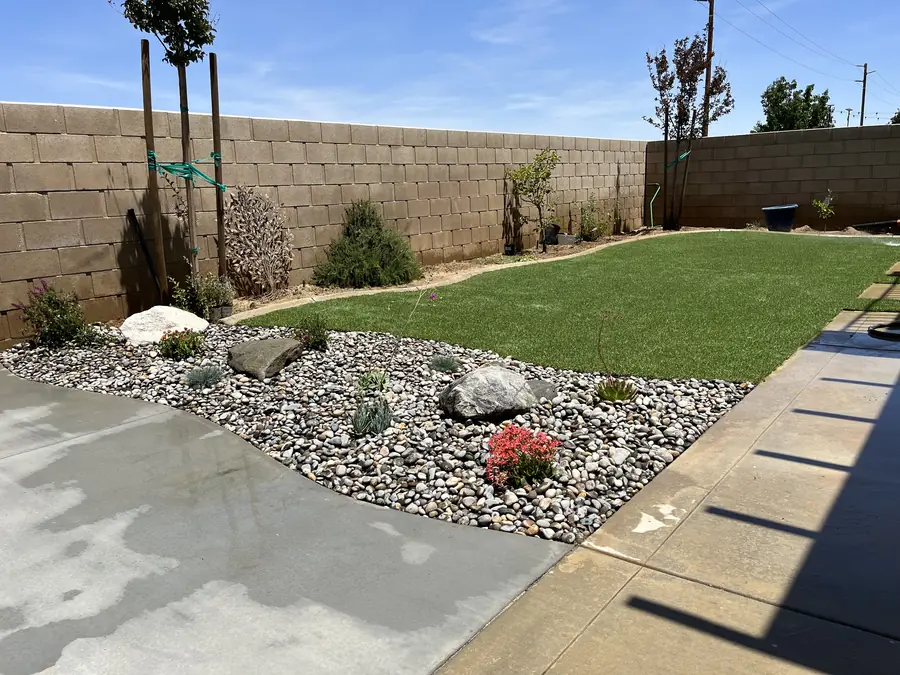
Replacement work dominates. Front yards where the lawn has become a liability, backyards with cracked slabs and settled walkways, irrigation that has been limping along for years. Those jobs frequently turn into full yard plans once a homeowner sees what is possible on the property. Beyond that we build outdoor living areas, driveways and masonry, artificial turf, drainage corrections, and low voltage lighting. We also take on complete design build projects where the whole property gets rethought at once.
It is an advantage for construction and a question for design. Flat means simple grading, predictable drainage, and no budget vanishing into retaining structures. What flat does not hand you is natural interest, so we create it deliberately. A raised planter or a seat wall introduces elevation. Different paving materials define separate zones. Planting at staggered heights builds layers along the fence line. Lighting adds a second version of the yard after sunset. The result reads as designed rather than merely paved.
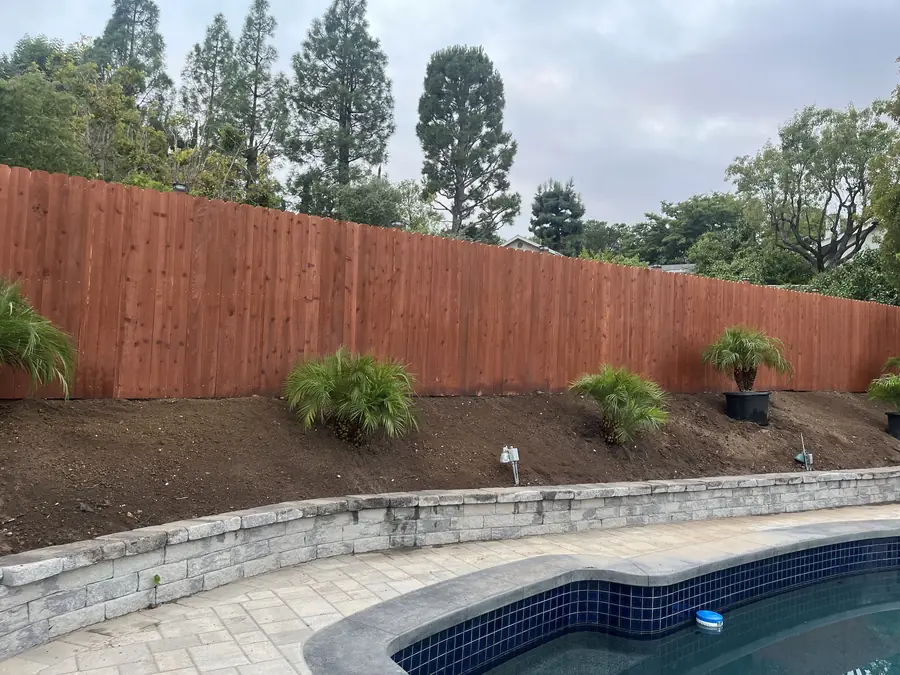
Most yards here take full sun for a good part of the day, and summer is genuinely hot and dry. That rules out plenty of material that looks tempting at the nursery in March. We choose plants that hold up under real exposure and modest water, and we group them so each irrigation zone serves plants that actually want the same thing. Where shade matters, we design it in with a structure or with trees placed for the afternoon side of the property.
In most of these houses, yes. Systems installed with the original construction have corroded lines, sunken or misaligned heads, mismatched zones, and controllers with no weather awareness whatsoever. They keep running, which fools people into believing they are fine, while wasting water and starving the plants that need it most. A rebuild during a renovation costs far less than cutting into finished concrete a year later, and it protects the investment you just made in new planting.
For most of what we build, no. Planting, irrigation, low voltage lighting, artificial turf, and ground level flatwork usually proceed without one. Where it changes is with structures, patio covers, line voltage or gas runs, and any work touching the curb or the public right of way, which fall under City of Los Angeles requirements. We identify anything in that category up front, before you sign, and we manage the submittals rather than handing that job over to you.
Frequently, yes. Tract homes of this era often have a side yard with a gate a compact machine can pass through, which keeps demolition and material handling efficient. Where the side yard is too narrow, or where an air conditioning unit or a utility meter blocks the route, we plan for hand work and protect the path. We check this on the first visit, because access affects both schedule and cost and should never turn into a surprise halfway through a build.
They shape the plan from the beginning. With limited watering days and hours across Los Angeles, a yard built around thirsty lawn is set up to disappoint. We work with drought tolerant and heat tolerant planting, drip irrigation through the beds, efficient nozzles where spray is required, and controllers that respond to weather instead of a fixed calendar. Artificial turf covers the areas where you want reliable green. The goal is a yard that still looks intentional in August, not only in April.
Less time than most people fear, though scope decides it. Demolition and the rough stages are the disruptive part and we push through them rather than stretching them out. Concrete needs its cure before anyone walks on it, and new planting needs an establishment period, so the yard keeps improving for a while after the crew has gone. At the estimate we lay out the sequence stage by stage so you can plan family life around the busy weeks.
We do both, and there is real value in that. A plan produced by someone who never installs anything can look wonderful on paper and still ignore drainage, access, or what a material genuinely costs to build. Because we carry the design and the construction together, every line on the plan has already been checked against reality. You get one company answering for the outcome, one schedule, and no gap between what was drawn and what gets built.
No. The work is performed by one licensed contractor from start to finish. Demolition, grading, concrete, masonry, irrigation, planting, turf, lighting, and cleanup all get done by people employed by Daniels Landscaping. That is a deliberate choice. Outside crews come and go and quality travels with them, while one licensed contractor builds the same way on your property as it did on the last one. It also means one company is accountable when you have a question.
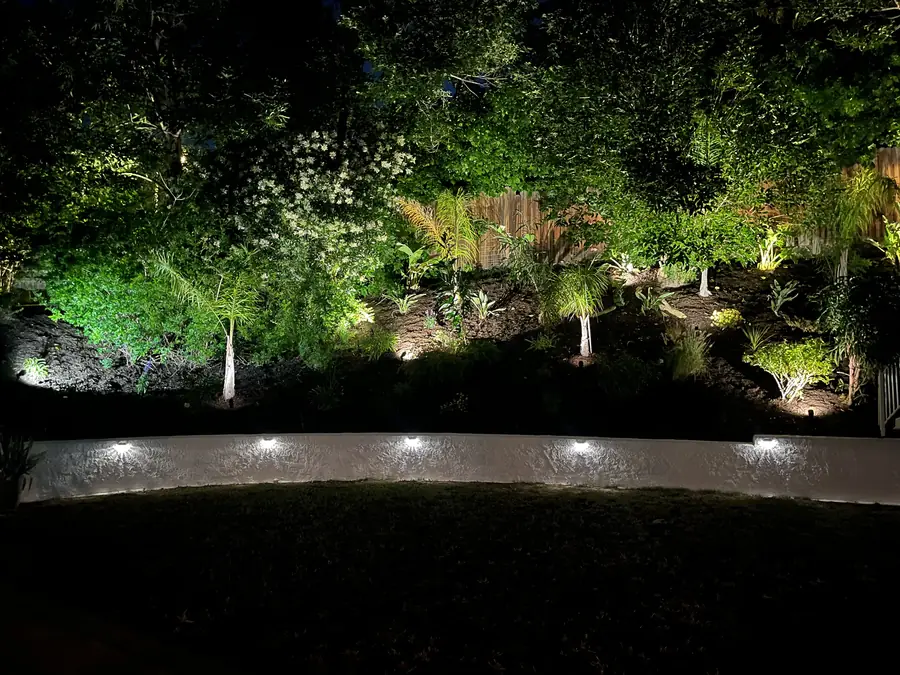
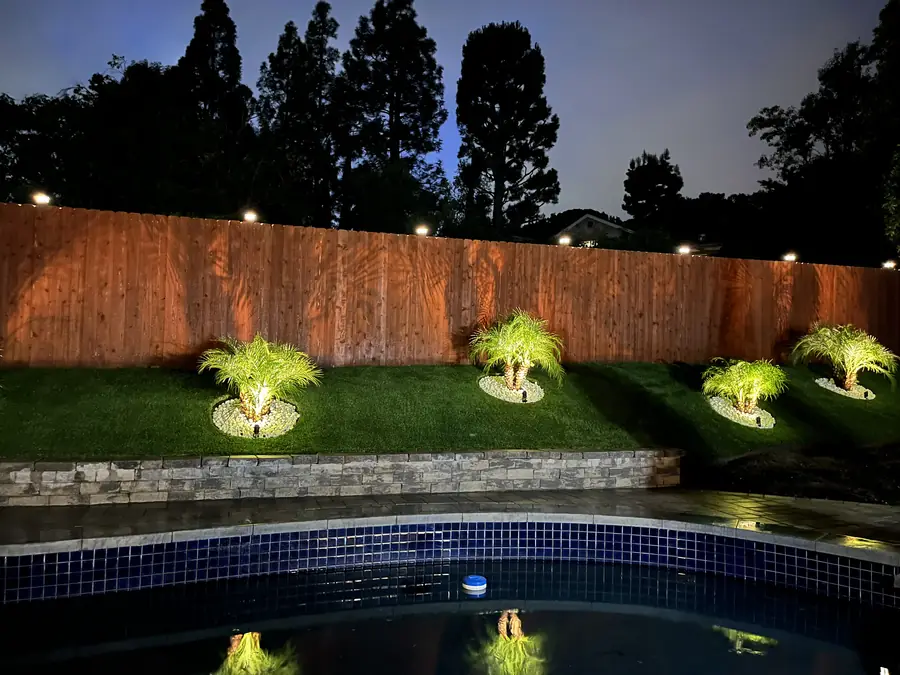
It changes how much you use the yard, which is the honest measure of value. Days get hot here, and evening is often when a family finally goes outside. Lighting a path, a seat wall, a specimen tree, and the front of the house turns dead space after dark into usable space, and it improves how the property looks from the street. Running wire during construction is inexpensive. Adding it after new concrete has been poured is a different story.
Nothing formal is required, but a few things help. Think about how you want to use the yard and who will be using it, whether that is kids, dogs, entertaining, or quiet mornings. Save photos of yards you like and yards you do not. Have a rough budget range in mind, even a wide one, because it lets us steer the design toward something buildable. If you know of past leaks, drainage trouble, or buried lines, mention them. Everything else we measure ourselves.
By planning for it. We stage material where it will not block the driveway you use every morning, keep the paths to your doors clear, and secure the site at the end of each day so pets and children are not walking into open trenches or loose material. Dust gets controlled while cutting. If a day comes when water must be shut off or the driveway is unavailable, you hear about it in advance rather than that morning.
One phone call. Reach Daniels Landscaping at (818) 443-9300 and we will arrange a visit to your North Hills property, walk the yard with you, and prepare a free written estimate that spells out the scope and the cost clearly. We are licensed in California under number 1138709, and everything we build is Built under one licensed contractor. Ask whatever you want during that visit, including the questions other contractors have been vague about answering.