
FAQ
Artificial Turf in Hidden Hills, answered
The questions we hear most from Hidden Hills homeowners.
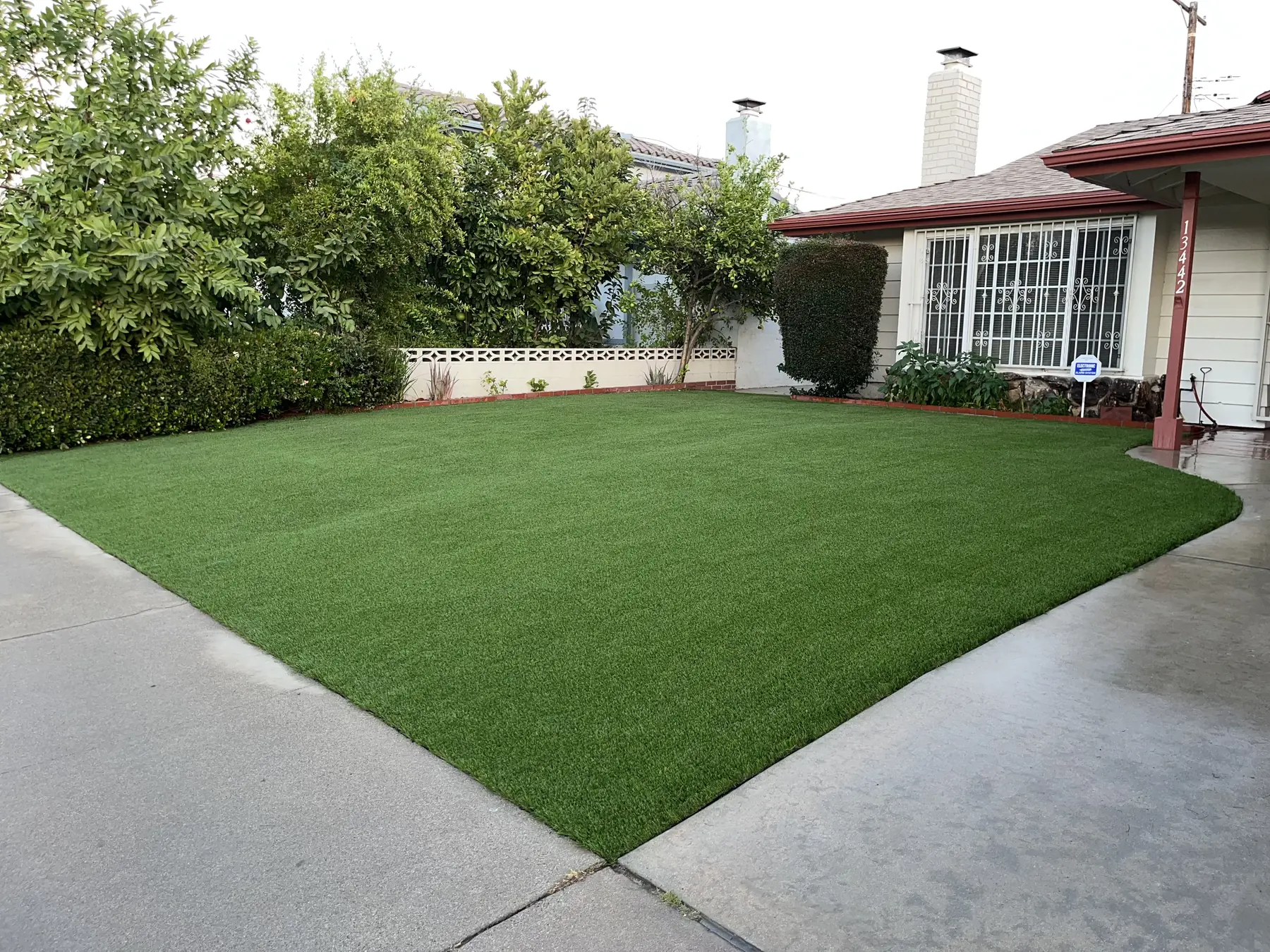
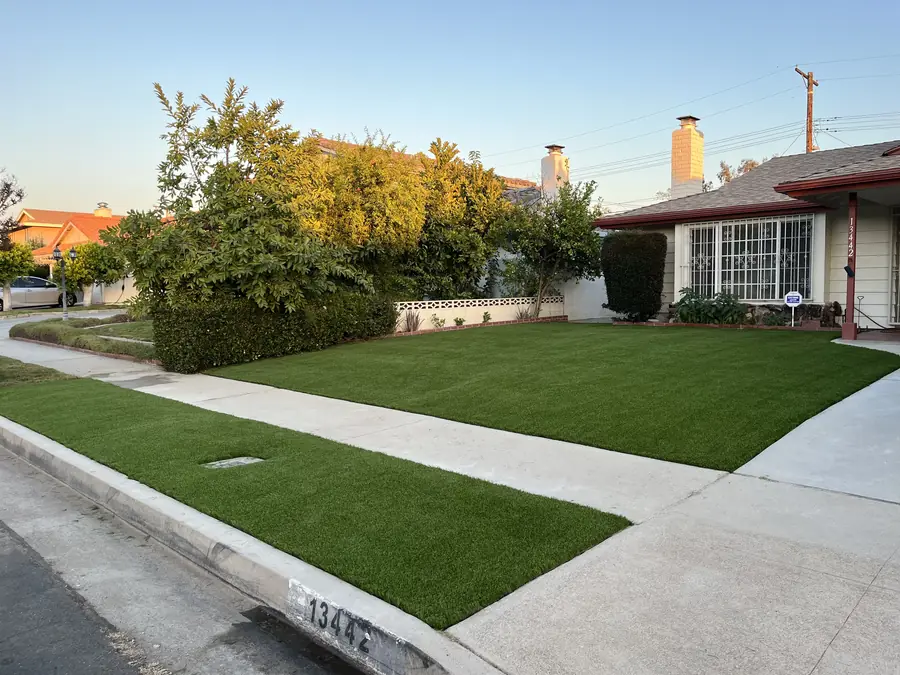
For the right areas, very much so. A play area, a pool surround, a dog run, or the framed green space near the house stays green through a dry summer with no watering and no brown patches. What we would not do is blanket acreage in synthetic grass. On the larger parcels out here, turf works best as a defined element inside a landscape that is otherwise natural planting and open ground. Used that way it saves water and maintenance without making the property look artificial.
Turf is subject to the same review as the rest of a landscape plan here, which looks at materials, heights, fencing, and overall character. That means product selection is part of the approval rather than a detail chosen later, so we specify color blend, pile height, and where the turf area begins and ends before submitting. Remember also that Hidden Hills is its own incorporated city, so requirements come from local rules and not from Los Angeles. We confirm what applies before scheduling any installation.
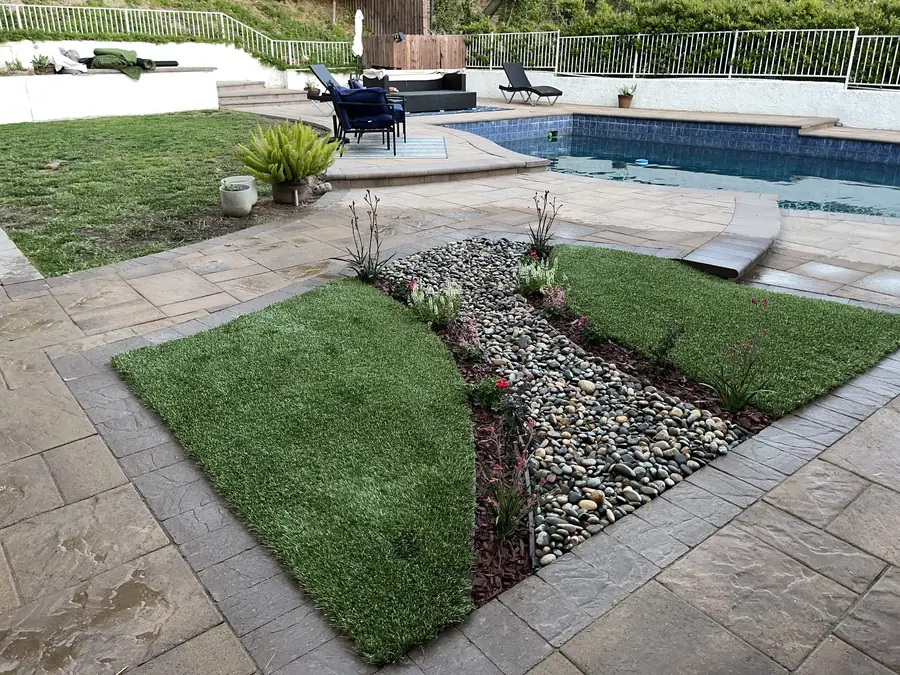
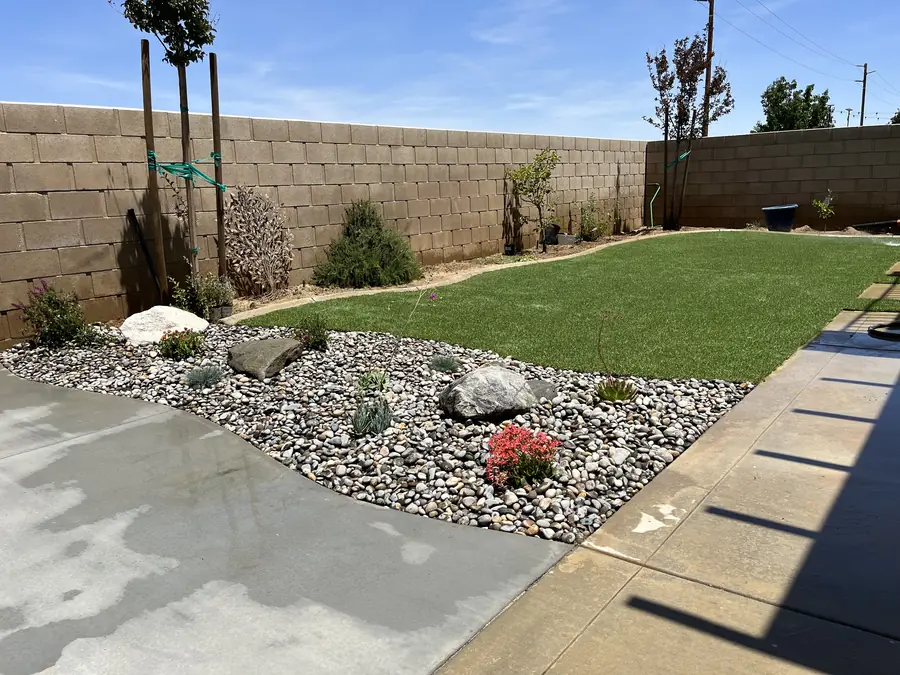
It can, provided the product and the boundaries are chosen carefully. Bright, uniform, plastic looking grass fights the rural character the city protects. A multi tone blend with a tan thatch layer, a moderate pile height, and blades that are not all the same shade reads far more like real turf. Just as important is where the edges land. Turf that meets planting, gravel, or stone with a soft transition disappears into the yard, while a hard rectangle floating in open ground announces itself.
Less than most people first imagine. Big properties invite the idea of a huge synthetic lawn, but usable green space is about function, not square footage, and the cost sits in the base work as much as the material. We identify the areas that actually get walked on, played on, or viewed from the house, and size the turf to those. The remaining ground does better as drought tolerant planting, decomposed granite, or natural open space, which is also the look that belongs here.
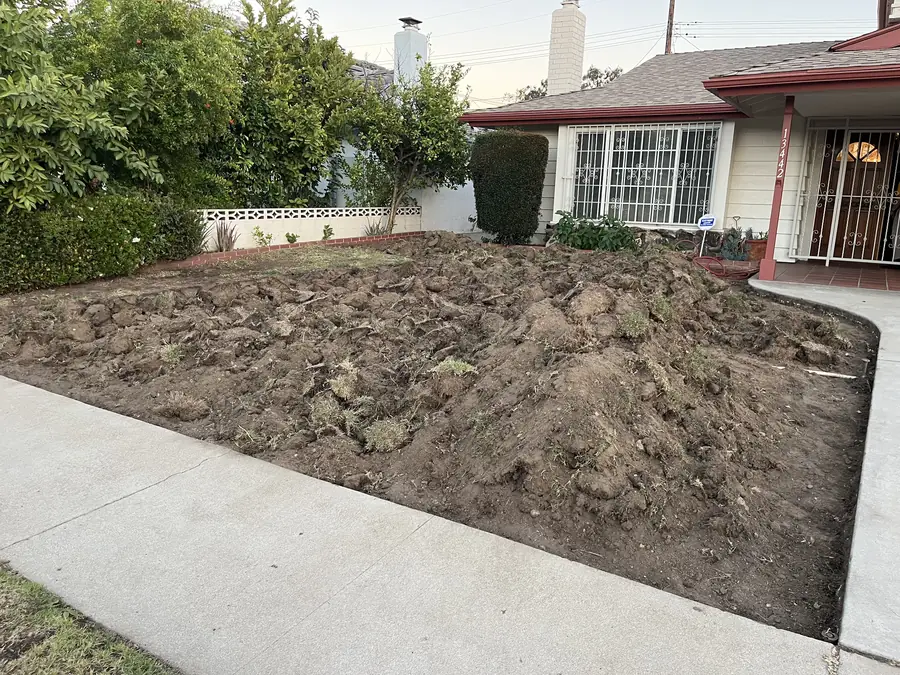
Everything that determines how it performs. We remove the existing surface, shape and compact the subgrade, then place and compact aggregate base in lifts. That base is graded flat and pitched so water moves, since turf takes the shape of whatever is beneath it. A soft or uneven base shows up as ripples and low spots that hold water within the first year. On a large lot we take extra care with compaction near the perimeter, because edges are where settlement usually appears first.
Selection comes down to how the area will be used. Pile height affects how plush it looks and how it recovers underfoot. Face weight describes how much yarn is packed into the material, and denser products stand up better in high traffic areas. Blade shape matters more than people expect, since a stiffer blade profile resists matting. Color blend determines whether it passes as real. We bring samples to the property and look at them outdoors in full sun rather than choosing from a brochure.
Infill is the granular material brushed down between the blades after the turf is laid. It weighs the material down, keeps blades standing upright instead of laying over, and protects the backing from sun. Silica sand is the common choice, and for pet areas we use a coated product that resists odor retention. The amount matters. Too little and the surface mats quickly, too much and it feels hard. We power broom it in so it settles to the base of the blades where it belongs.
Water passes through perforations in the backing, moves down into the aggregate base, and travels out along the grade we set. That is why base preparation and pitch matter so much. On lots where upslope ground feeds into the turf area, we add drainage beneath it rather than relying on percolation alone, since heavy winter rain across a large property produces more water than a flat panel can take. Properly built, the surface is usable again very shortly after the rain stops.
Turf arrives in rolls, so any area wider than a roll has seams, and hiding them is a craft. Every piece gets laid with the blades running the same direction, because reversed nap catches light differently and gives the seam away instantly. Edges are trimmed precisely, joined with seaming material, and secured so the two panels sit tight without overlap or gap. The perimeter and seams are then nailed at proper spacing. Done well, you should have to hunt for a seam.
Against hard surfaces like paving or a wall, the turf is trimmed tight and fastened along the edge so nothing lifts. Where it meets soil, gravel, or a planting bed, we install a proper edge to hold the turf and keep the adjacent material from spilling onto it. Unsecured edges are the first thing to fail, especially where dogs run or where a mower or wheelbarrow crosses. A clean, restrained perimeter is a large part of why a turf area still looks sharp years later.
We keep it away from them. Synthetic turf is not built for hooves, for the weight and concentration horses put on a surface, or for the cleanup those areas require, and putting it there is asking for damage. Turf belongs in the residential zones of the property, near the house, around a pool, or in a play area. Around riding routes and turnout we use materials suited to that job. Mapping the equestrian circulation first keeps the two from overlapping.
Dogs do well on it, which is one of the most common reasons homeowners here ask for it. Liquid drains straight through the backing into the base, solids are picked up as usual, and periodic rinsing keeps things fresh. For heavy pet use we specify an antimicrobial infill and pay extra attention to base drainage, since odor is nearly always a drainage problem rather than a turf problem. Occasional brushing against the nap keeps traffic paths from matting down.
It warms up in direct sun more than living grass does, and that is worth planning for rather than glossing over. Shade from a tree, a patio cover, or the house itself reduces it considerably, and lighter color blends absorb somewhat less heat than very dark ones. A quick rinse with a hose cools the surface immediately. Most homeowners find it a non issue in shaded or evening use areas, but for a spot in full afternoon exposure we will tell you that up front.
Quality turf installed over a properly built base lasts a long time, and manufacturers back their products with warranties that we will go over with you before purchase. The variables are sun exposure, traffic, and whether the base was built right. Failures we get called to repair are almost never worn out fiber. They are settled bases, poor drainage, loose edges, and neglected infill. Installation quality, not the product label, decides whether you are happy with it a decade in.
It is worth thinking about carefully, since the city sits in a high wildfire exposure area. Synthetic turf holds no dry fuel the way an unwatered lawn or dense shrubbery does, which is a point in its favor, but the material itself is not something we recommend running tight against a structure. In that closest zone we generally prefer paving, gravel, or well irrigated low planting, and place the turf area just beyond it. We are happy to talk through the layout with defensible space in mind.
By appointment, like everything else here. Rolls are heavy and awkward, base rock comes by the truckload, and neither can be delivered on short notice through a gated entry. We clear crew entry and every delivery ahead of time, choose a staging spot on the property that keeps material off the street and clear of riding access, and time drops so the base is ready when the turf lands. That planning keeps the install running without days lost waiting at the gate.
Our own employees, start to finish. Daniels Landscaping stays accountable for the work. The crew that excavates and compacts the base is the crew that lays the material, cuts the seams, sets the nails and edging, and brooms in the infill. Since almost every turf complaint traces back to base work or seaming, having the same hands responsible for both is the whole point. You also deal with the same people all week, which makes access and scheduling simpler.
Give us a call at (818) 443-9300 and we will come out to measure and look at the site. We check grade, drainage, sun exposure, access, and how the area will be used, show you turf samples outdoors, and then provide a free written estimate covering base depth, product, infill, and edging. Daniels Landscaping is licensed in California under number 1138709. We will also walk you through what the architectural review submission needs so the approval and the install are sequenced properly.