

FAQ
Landscaping in Calabasas, answered
The questions we hear most from Calabasas homeowners.
Landscaping cost in Calabasas depends on the size of the yard, the slope, how much you are changing, and whether hardscape like patios, walls, or drainage is part of the plan. Hillside lots and oak protection can add steps that a flat, open yard would not. Rather than quote a number sight unseen, Daniels Landscaping walks the property, listens to what you want, and hands you a free written estimate that spells out the work. You will know the scope before anyone starts digging.
Some landscaping in Calabasas needs a permit and some does not, and because Calabasas runs its own city government, the answer comes from the Calabasas municipal code rather than Los Angeles rules. Grading on a slope, retaining walls, work near a protected oak, and larger water-using installations often trigger city review or a water-efficiency submittal. Simpler planting refreshes usually do not. We tell you up front which category your project falls into, pull the permits that apply, and keep the paperwork moving so the build stays on schedule.
Removing a native oak in Calabasas is tightly controlled, so do not cut first and ask later. The city oak tree ordinance protects coast live oaks and valley oaks, and taking one out, or even heavily pruning it, generally requires a permit and sometimes replacement plantings. Fines for unpermitted work can be steep. When your design involves an oak, we plan the layout to keep the tree healthy, route patios and irrigation clear of the roots, and handle the permit process with the city when removal or pruning is truly unavoidable.
The protected zone is the area around a native oak that the Calabasas ordinance shields from disturbance, and it reaches from the trunk out past the canopy dripline where most of the feeder roots live. Inside that zone, you cannot freely trench, pave, pile soil, or change the grade without city approval, because those actions can slowly kill an oak that looks perfectly healthy today. Our crews design decks, paths, and drip lines to float above or around the zone, giving the tree room while still getting you the yard you want.
Yes, and this is where Calabasas differs from most of the Valley. Your water provider is Las Virgenes Municipal Water District, not LADWP, so turf-replacement and water-efficiency rebates run through Las Virgenes and its regional partners, with their own eligibility terms, caps, and approval steps. Programs and funding change over time, so we help you check what is open before we design, then build your new low-water landscape to match the requirements. That way you are not leaving a rebate on the table because a plant choice or plan detail did not qualify.
Plants that thrive in Calabasas share three traits. They sip water instead of guzzling it, they hold up in a fire-prone setting, and they suit our hot, dry summers and clay-heavy hillside soils. Think in terms of California natives and Mediterranean climate plants, such as manzanita, ceanothus, sage, rosemary, lavender, and ornamental grasses, grouped by how much water they need. We keep the highest-fuel, resin-heavy shrubs away from the house and lean on lower, well-spaced plantings near the structure. The result looks lush without fighting the local climate or the water rules.
Defensible space is the buffer of managed, low-fuel landscaping around your home that gives firefighters a chance to defend it and slows a fire's approach. Because much of Calabasas sits in a Very High Fire Hazard Severity Zone, state law calls for up to 100 feet of it, worked in zones that get leaner and cleaner the closer you are to the walls. The five feet right against the house should be the most fire-resistant of all. We design planting, spacing, and materials to meet those brush-clearance expectations while still looking like a garden, not a moonscape.
Very likely, yes. A large share of Calabasas neighborhoods sit under homeowners associations, and communities like The Oaks, Calabasas Park, and Mountain View Estates run architectural review committees that must sign off on landscape changes before work begins. Each HOA has its own rules on plant palettes, front-yard visibility, turf, walls, and colors. We are used to this. We prepare plans and plant lists in the format your committee expects, adjust where needed, and wait for written approval before we break ground, so you are never caught between the city, the HOA, and your contractor.
Much of Calabasas is mapped as a Very High Fire Hazard Severity Zone, and if you back up to open space in the Santa Monica Mountains, you almost certainly are. You can confirm your parcel on the state and city fire maps, and the Fire Department enforces annual brush-clearance inspections in these areas. This is not a reason to fear landscaping. It is a reason to design it well. We treat fire safety as a starting point, choosing materials, plant spacing, and irrigation that reduce risk near the structure while keeping the yard comfortable and green.
Watering rules in Calabasas come from Las Virgenes Municipal Water District, which sets its own conservation stages, schedules, and efficiency standards separate from the City of Los Angeles. During dry stretches the district can limit how often and how long you run sprinklers, and repeat overwatering can bring penalties. We design around this from the start, installing efficient drip and high-quality controllers, grouping plants by water need, and choosing species that stay handsome on a lean schedule. Your landscape should look its best while comfortably living inside whatever the district allows that season.
Absolutely, and near the house is exactly where it matters most. A fire-wise design in Calabasas starts in the first five feet, keeping that band as close to noncombustible as possible with gravel, hardscape, and hardy, well-watered ground cover instead of woody shrubs or bark mulch. Moving outward, we space plants so flames cannot ladder from one to the next or into tree canopies. We keep dead material cleared and steer resinous, oily species away from the structure. You still get shade, color, and privacy, just arranged so the landscape works with your defensible space rather than against it.
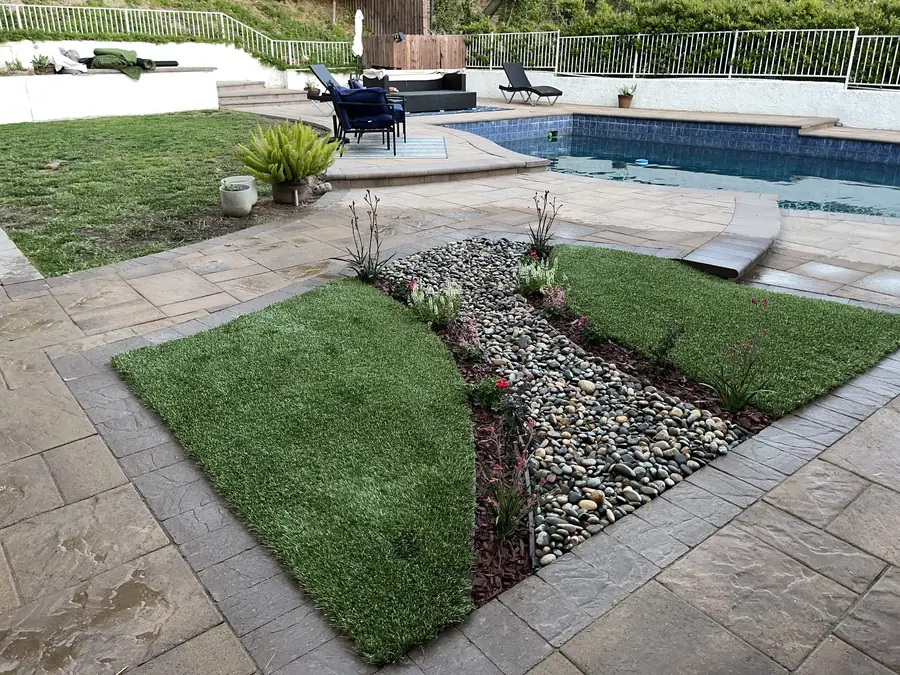
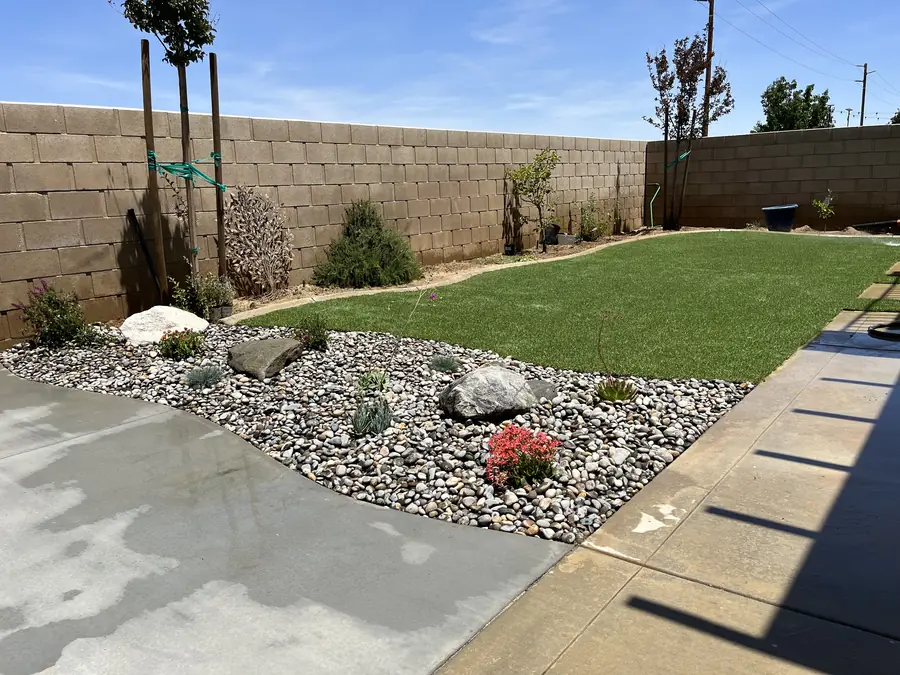
Low-water landscaping is the smart default in Calabasas, both for your bill and for the district's conservation goals. Good drought-tolerant design is far more than gravel and a few cacti. We layer California natives and Mediterranean plants for year-round color, add efficient drip irrigation and smart controllers, improve the soil so it holds moisture, and use mulch and thoughtful grading to keep every drop where the roots can use it. Done right, a water-wise yard in Calabasas looks fuller and more alive than a thirsty lawn, and it shrugs off the summer heat instead of frying in it.
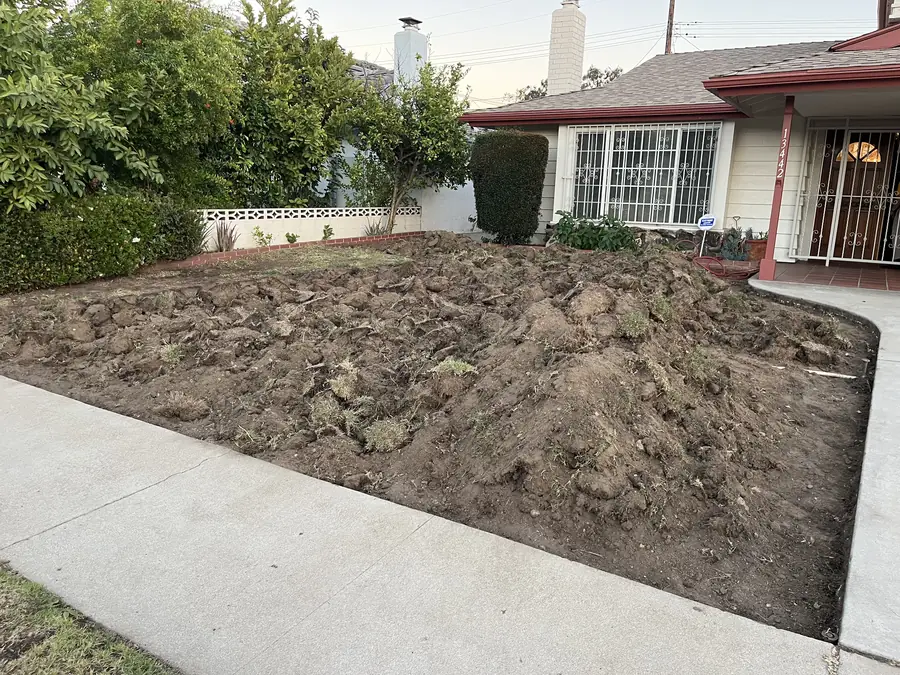
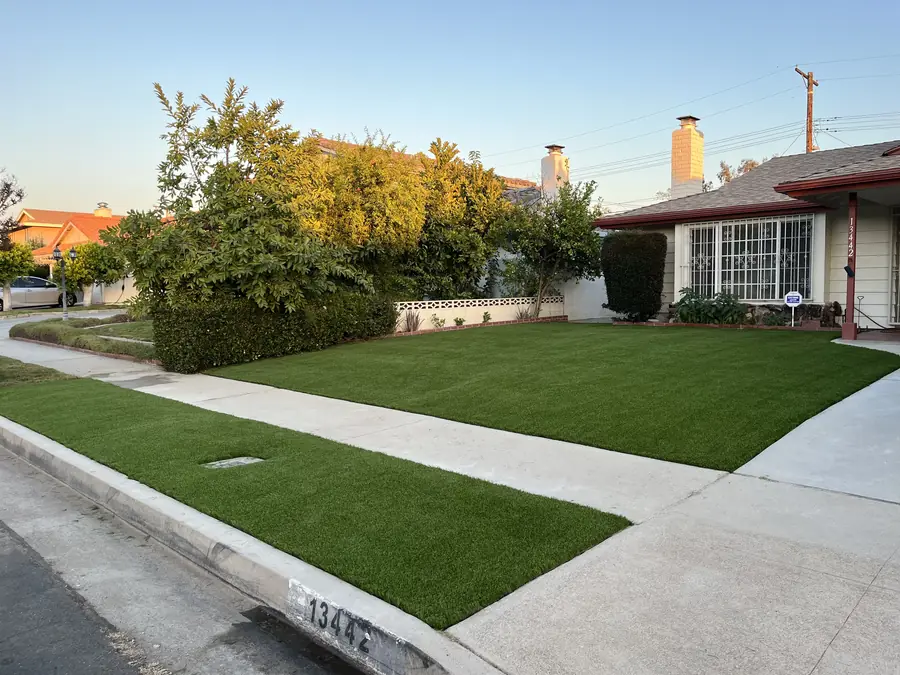
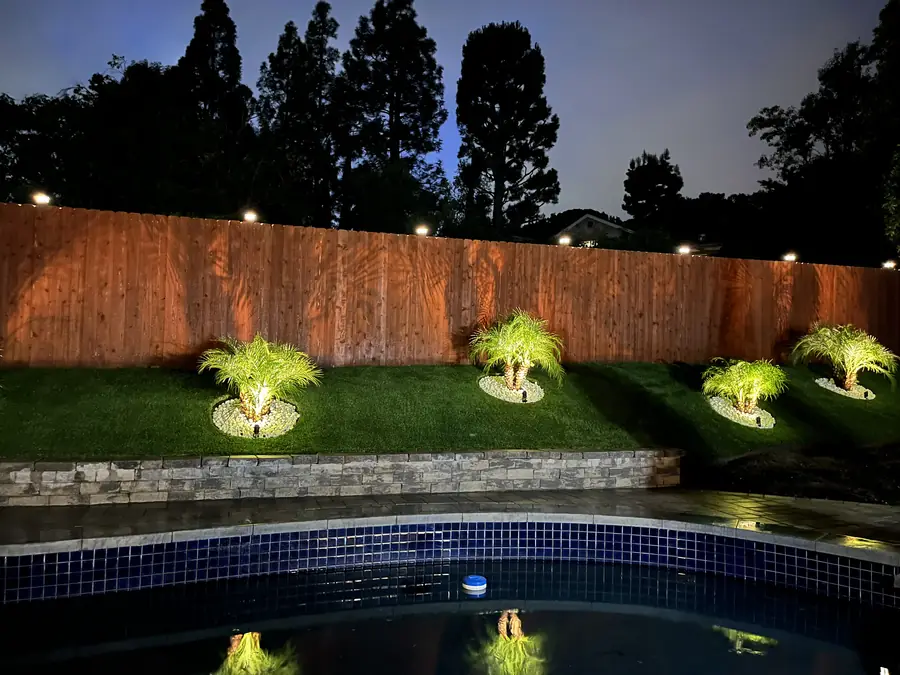
Artificial turf can work well in Calabasas, especially for play areas, pet runs, and tight spots where a real lawn would struggle, and it removes a thirsty patch from your water bill. Two local factors shape the choice. Your HOA may restrict where synthetic turf is allowed or how it must look, and in the fire zone we keep it away from the immediate edge of the house, since some products can melt or ignite. We install quality turf over proper drainage, blend it with planted borders, and make sure the plan clears both the HOA and fire-wise guidelines.
Timelines in Calabasas depend less on the digging and more on the approvals. A straightforward planting refresh can move quickly, while a full design-build with grading, hardscape, city permits, and an HOA architectural review naturally takes longer, since committees and the city meet on their own calendars. Weather and oak protection can add time too. Once we have your approvals in hand, one licensed contractors keep the build steady and continuous rather than starting and disappearing. During the first walkthrough we give you a realistic schedule for your specific yard, not a generic promise.
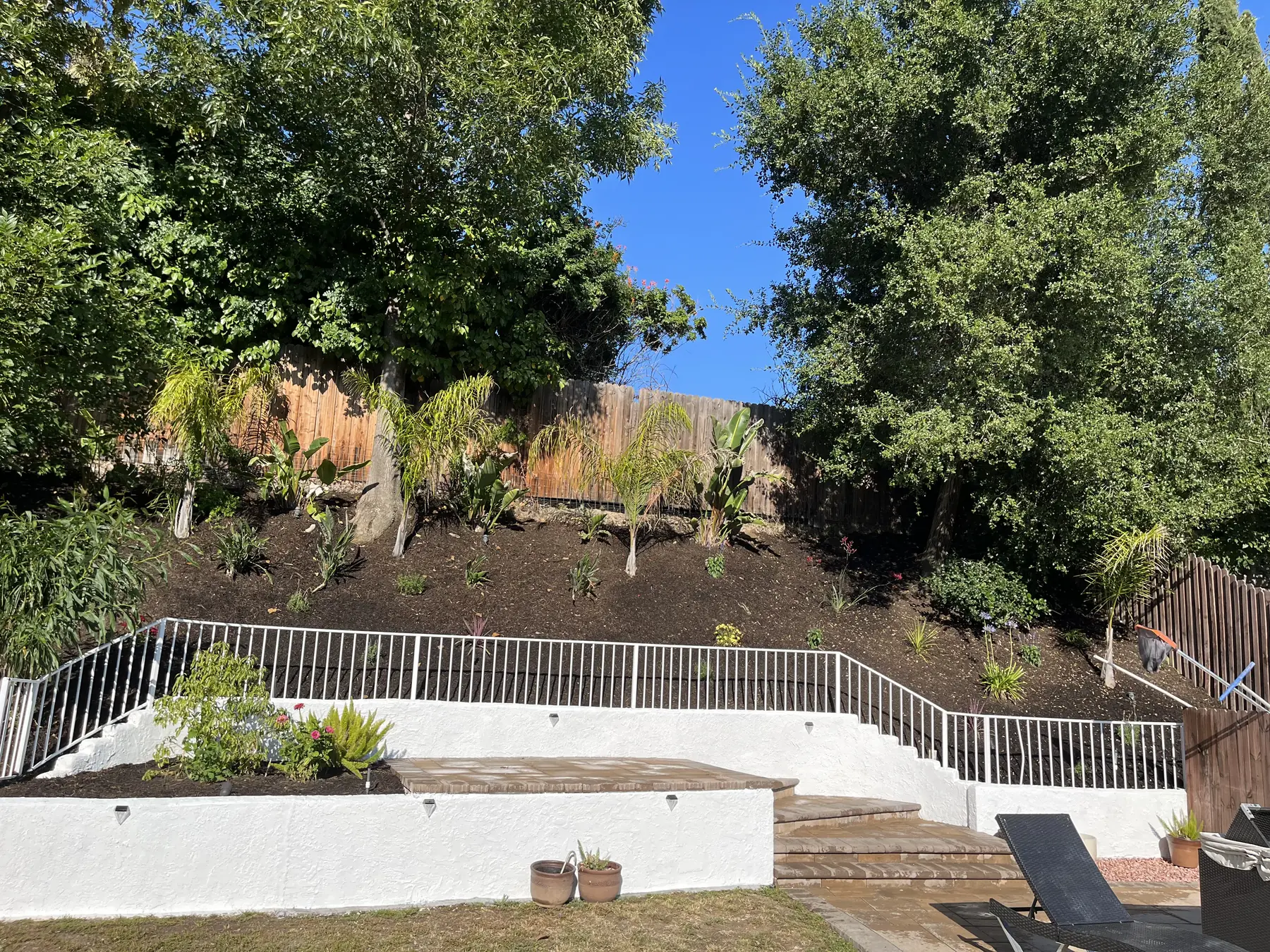
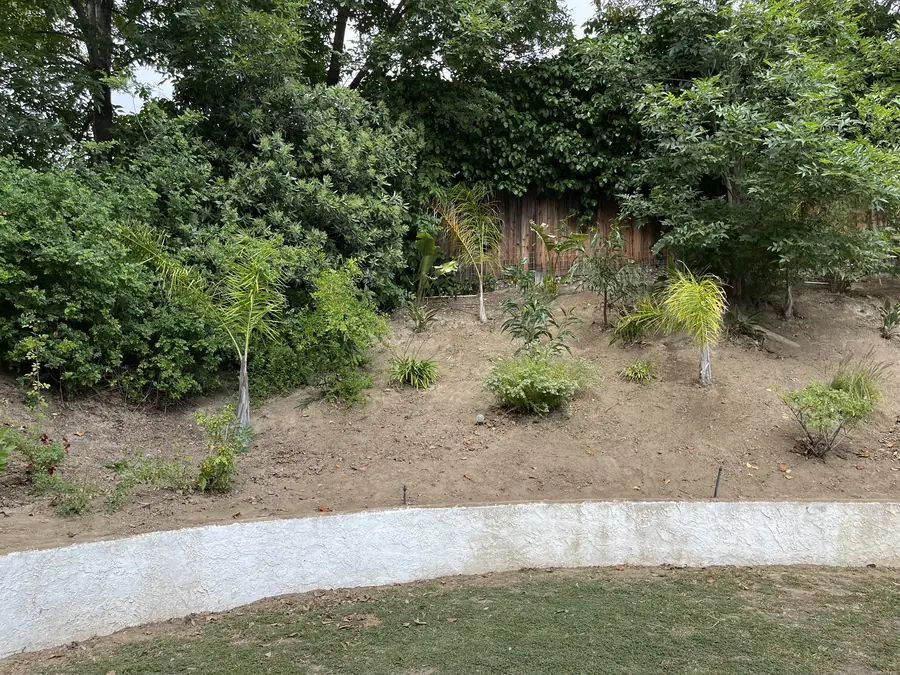
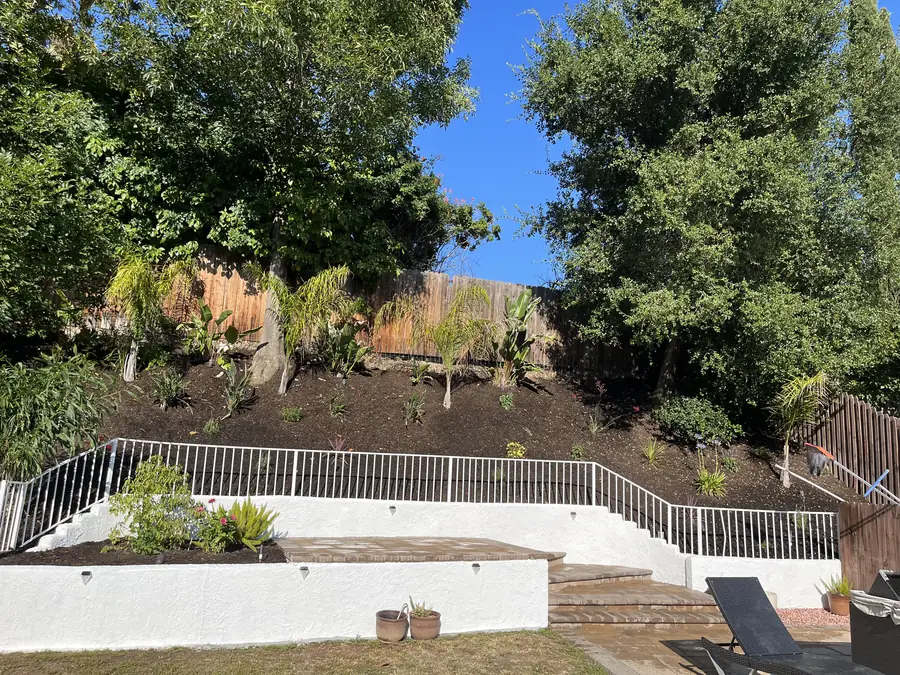
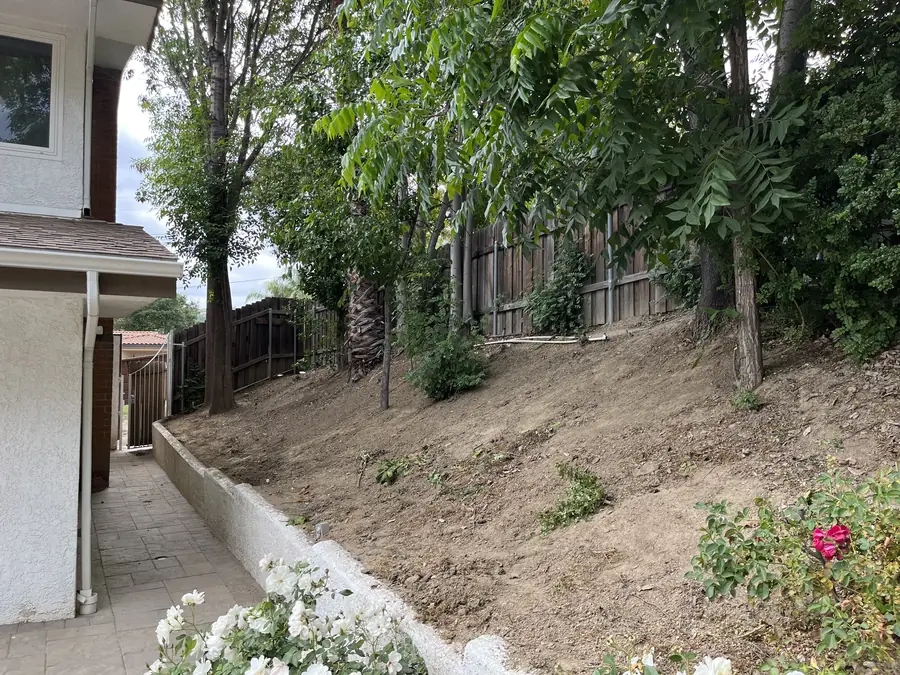
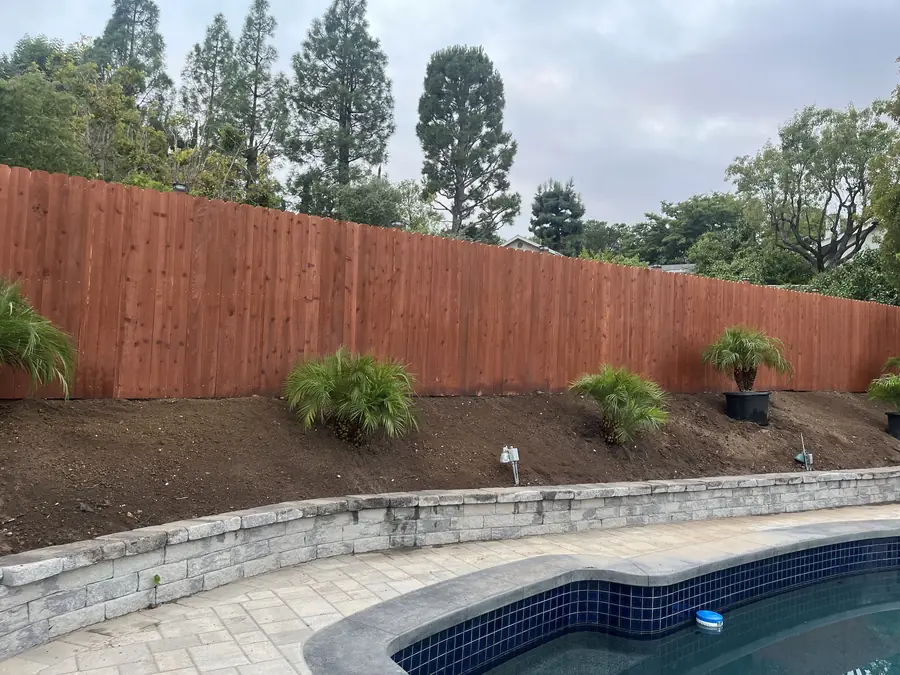
Hillside and sloped yards are common in Calabasas, and they are some of our favorite projects. Slopes bring real questions about grading, drainage, retaining walls, and erosion, and in this city they often overlap with oak protection and fire-zone brush rules. We engineer the structure first, using terracing, walls, and deep-rooted plants to hold the soil and steer water safely away from your foundation and your neighbors. Then we layer in the garden. Handled properly, a slope becomes usable outdoor space and a striking view feature instead of a maintenance headache.
Efficient irrigation is one of the highest-value parts of any Calabasas landscape, and yes, we install and retrofit it. Because Las Virgenes Municipal Water District rewards low water use and can restrict it in dry years, we lean on drip and micro-spray that delivers water straight to the roots, paired with smart controllers that adjust to weather and even skip a cycle after rain. Zoning matters too, so thirsty and drought-tolerant plants never share a valve. We can install a fresh system or retrofit an old, leaky one, cutting waste and helping you stay comfortably inside the district's rules.
Daniels Landscaping is based in the San Fernando Valley and works throughout Calabasas and the surrounding communities, including nearby Hidden Hills and Woodland Hills. Because these areas share the same water district, fire-zone realities, and oak-dotted hillsides, the knowledge carries directly from one project to the next. Whether you are off Mulholland, up in the hills, or in a gated HOA community, we bring the same licensed, in-house crew and the same familiarity with local rules. If you are close to Calabasas and not certain we cover you, just ask when you call.
Getting started is simple. Call Daniels Landscaping at (818) 443-9300, tell us a little about your property and what you picture, and we will set a time to walk the yard with you. On that visit we look at the slope, the soil, any protected oaks, your fire-zone setbacks, and your HOA situation, then talk through ideas that fit both your goals and the Calabasas rules. You leave with a free written estimate in hand. When you are ready to move forward, our own licensed crew handles the build from first cut to final cleanup.