
FAQ
Landscaping in Tarzana, answered
The questions we hear most from Tarzana homeowners.
No two Tarzana yards price out the same, because the site drives the number more than anything else. A flat lot in the northern tract homes and a steep one near Mulholland call for very different work, and slope, access, drainage, retaining structures, plant choices, and the amount of hardscape all shift the total. Instead of quoting you a guess, we walk the property, talk through what you actually need, and hand you a free written estimate. You end up with real figures for your yard rather than a range borrowed from another project.
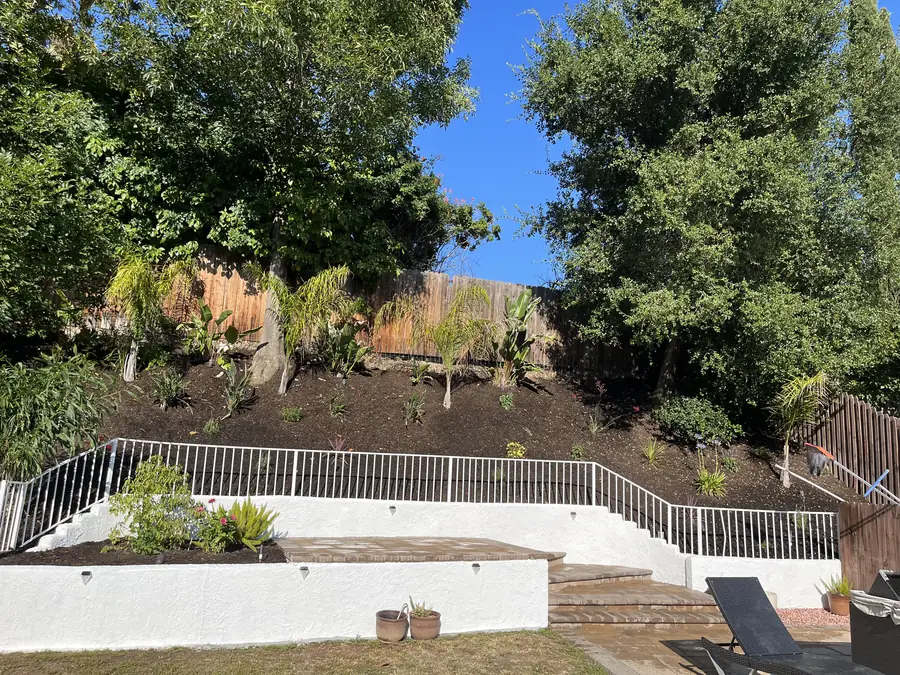
Yes, the hillsides climbing toward Mulholland are a regular part of our work. Those lots come with slope, limited access, and drainage that has to be planned before a single plant goes in, so we start by reading how water moves across the property and where the grade wants to slide. From there we set retaining walls, terraces, or planted slopes that lock the soil in place. Because so many of these lots look out over the Valley, we also shape the design so your best views stay open.
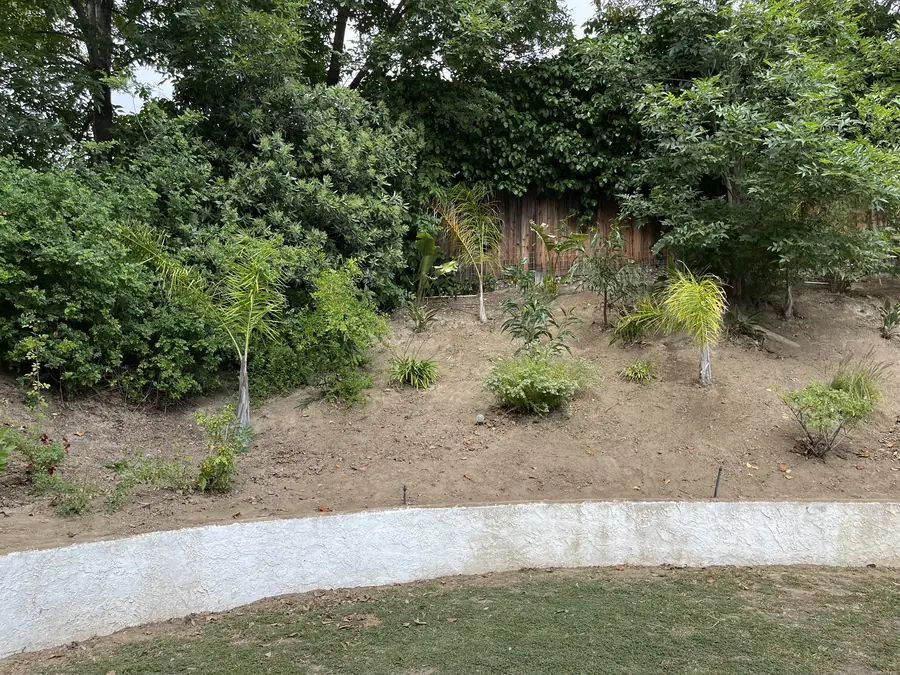
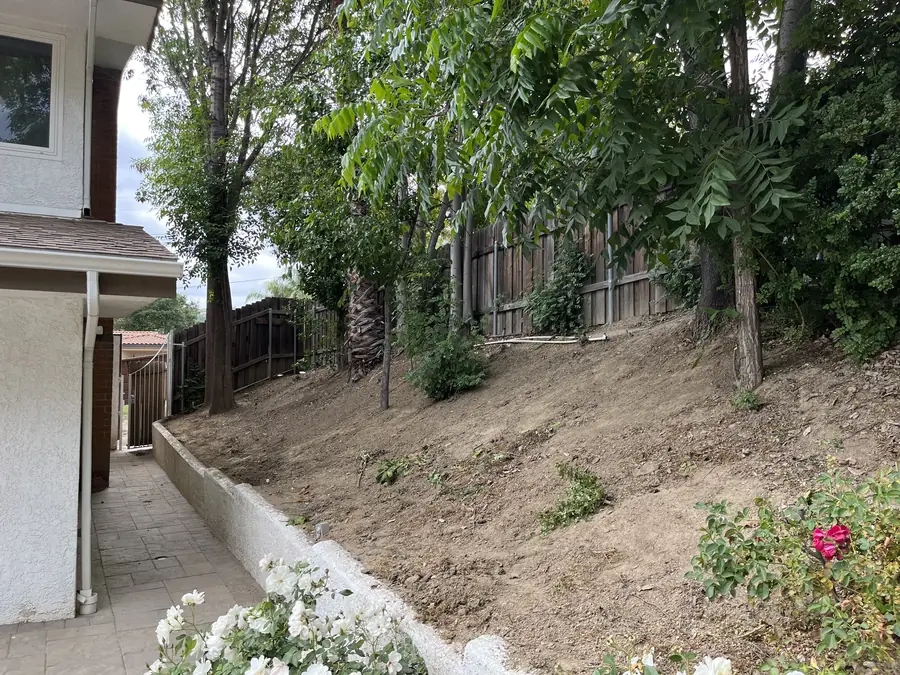
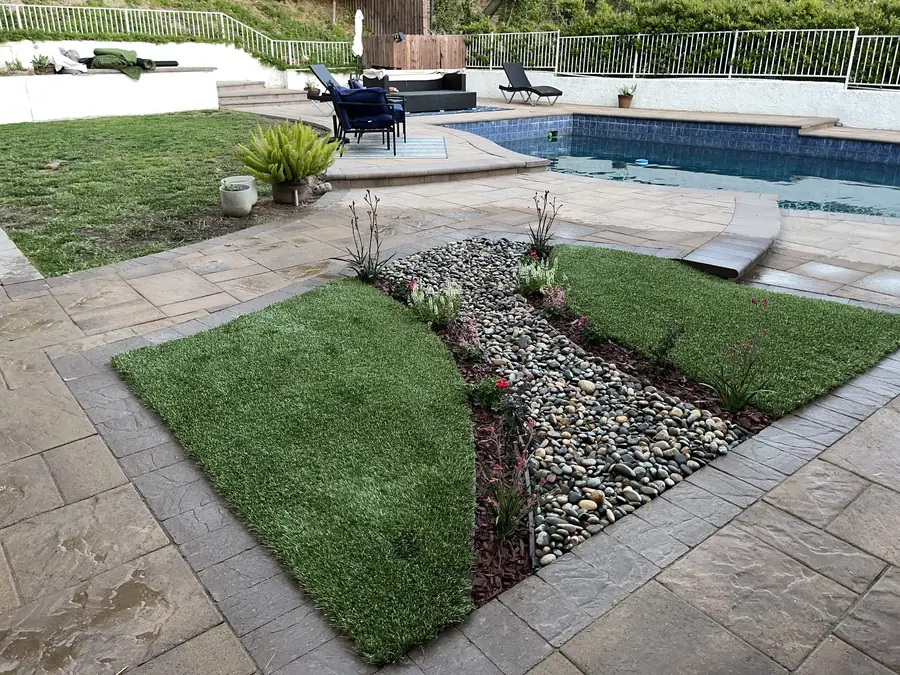
Erosion control on a slope is about slowing water down and giving the soil something to grip. On the lots south of Ventura Boulevard, we look first at where runoff collects and route it into swales, drains, or dry creek beds so it is not carving channels across your yard. Deep-rooted, low-water plants go in to knit the surface together, and where the grade is steep we add terracing or retaining walls to break one long slope into manageable steps. The goal is a hillside that stays put through winter rain.
Hot, dry summers reward plants that do not lean on constant watering. In Tarzana yards we favor California natives and Mediterranean climate plants, things like manzanita, ceanothus, sages, rosemary, lavender, and ornamental grasses that shrug off heat once their roots are down. Succulents and agaves earn their place in the sunniest spots, especially on south-facing hillsides. We still leave room for shade trees and a few lush accents near the patio where you actually sit, so the yard feels green without running the meter all summer long.
Drainage is one of the most common reasons hillside homeowners call us. When a yard sits on a grade, rain and irrigation want to run straight downhill, pooling against foundations, pushing at retaining walls, and washing soil off the planting beds. We map where the water starts and where it needs to end up, then build the path with area drains, French drains, catch basins, and regraded surfaces that carry it safely off the lot. Solving drainage first protects everything you plant or build on the hillside afterward.
North of Ventura Boulevard, the flat tract homes sit on the same heavy clay that runs across much of the Valley floor, and clay holds water, drains slowly, and bakes hard in summer. We deal with it by amending the beds with compost and organic material so roots can breathe, adjusting the grade so water moves instead of pooling, and choosing plants that accept clay rather than fighting it. For lawns and irrigation, we set watering cycles that soak in slowly instead of running off the surface.
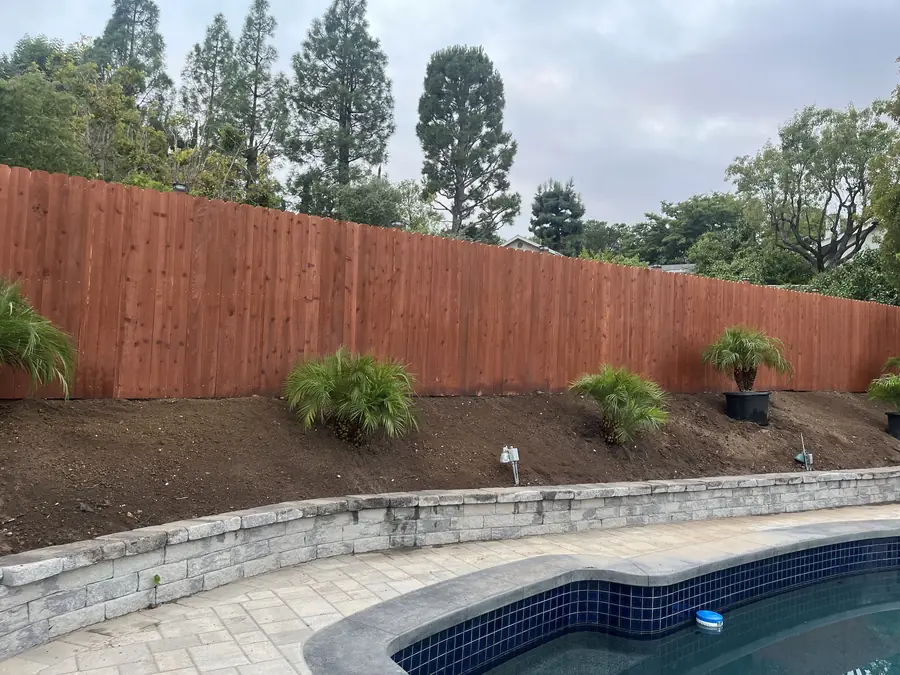
Retaining walls do a lot of quiet work on the Tarzana hillsides, holding back grade, creating level ground where there was none, and turning a slope you could not use into terraces you can. We build them to match the job, from block and poured concrete to stacked stone and segmental systems, always sized to the load behind them. Proper drainage goes in behind every wall so water pressure does not build up and push it out over time. Done right, a wall is both structure and a clean design line.
Access is often the first puzzle on a hillside property, since narrow driveways, tight side yards, and steep grade can shut out full-size machinery. We size our approach to what the site allows, using compact equipment that fits through gates, moving material by wheelbarrow or conveyor where a machine cannot go, and staging deliveries so the street stays clear for you and your neighbors. When we walk the property for your estimate, access is one of the first things we assess, so there are no surprises once the crew arrives.
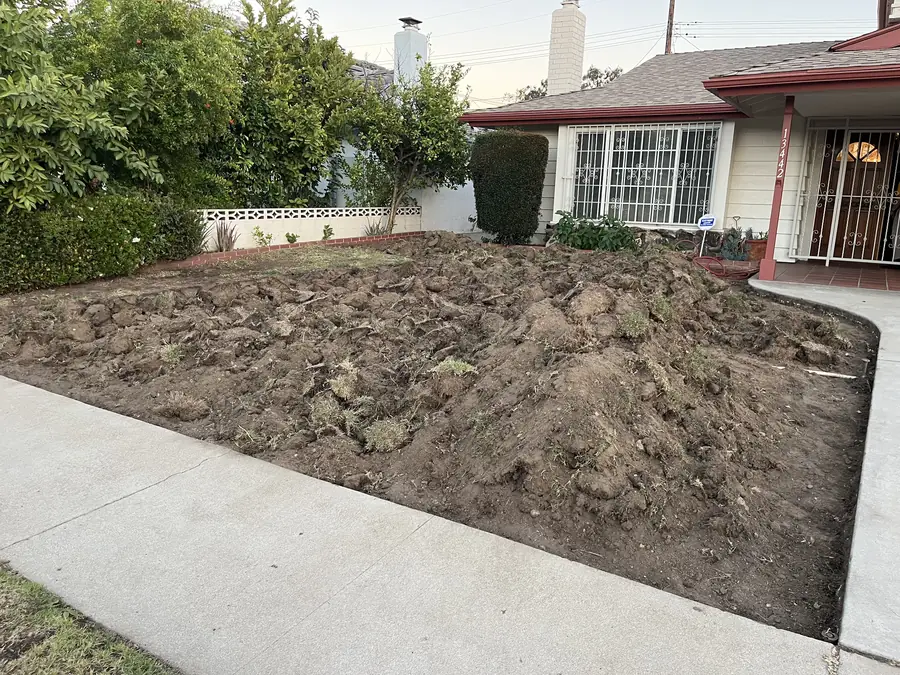
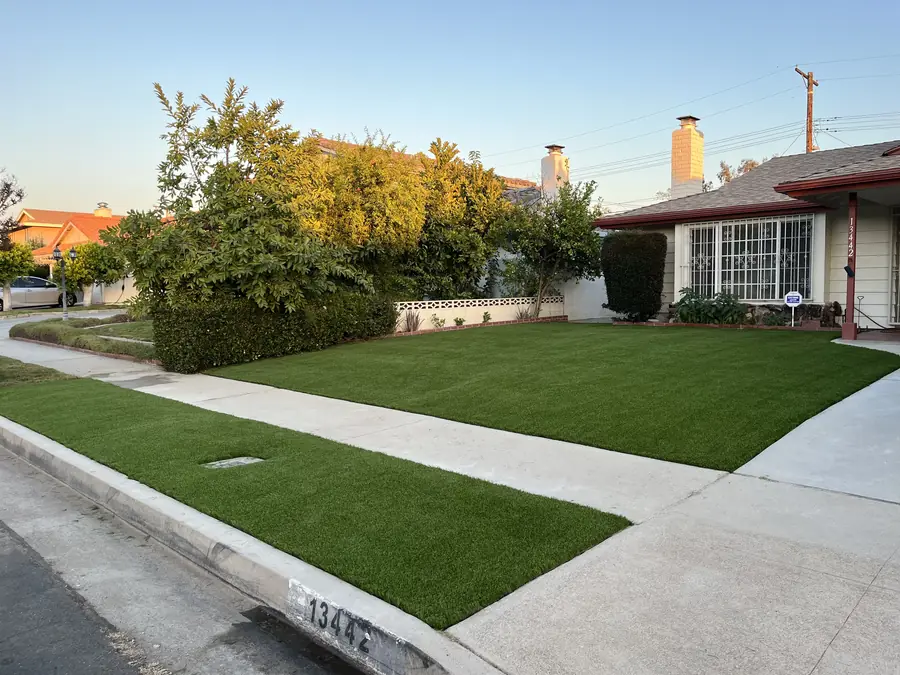
That is worth thinking through before you tear anything out. If the lawn is just green space nobody walks on, replacing it with low-water planting, decomposed granite paths, or a designed drought-tolerant garden usually saves water and looks better through a hot Tarzana summer. If kids or dogs need somewhere to play, we might keep a smaller, efficient patch of turf and rework everything around it. Some homeowners choose artificial turf for a lawn that stays green year round. We help you weigh the options first.
Upgrading an old irrigation system is one of the smartest moves you can make in the older Tarzana neighborhoods. Many homes still run tired setups with broken heads, buried leaks, and a single zone trying to water plants with completely different needs. We replace worn parts, split the yard into zones that match sun and plant type, and add drip lines for beds so water reaches roots instead of evaporating off the surface. A smart controller ties it together, adjusting to the weather so your yard is not watering during a rainstorm.
Fall and early spring are the sweet spots. Planting in fall lets roots settle through the mild, wetter months so plants are established before summer heat arrives, and spring works well for the same reason as long as you get ahead of the hottest weeks. That said, our climate is forgiving, and hardscape work like patios, walls, and drainage can happen almost any time of year. If summer is when you finally have the budget or the time, we simply adjust the plant palette and watering plan to give new installs the best start.
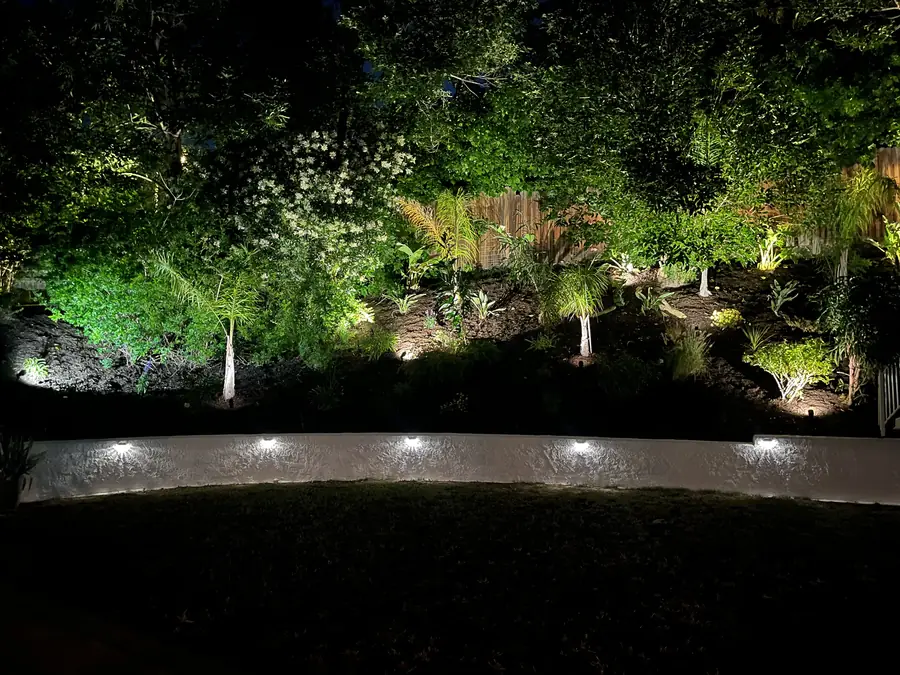
Absolutely, and on the lots south of Ventura Boulevard the view is often the whole point. Many of these hillside properties look out across the Valley, so we plan planting heights, patio placement, and railing or wall lines to frame what you want to see rather than block it. Lower plantings and open sightlines go where the view matters, while taller screening goes where you want privacy from a neighbor. We also think about evening light and where you will sit, so the design works at sunset, not just on paper.
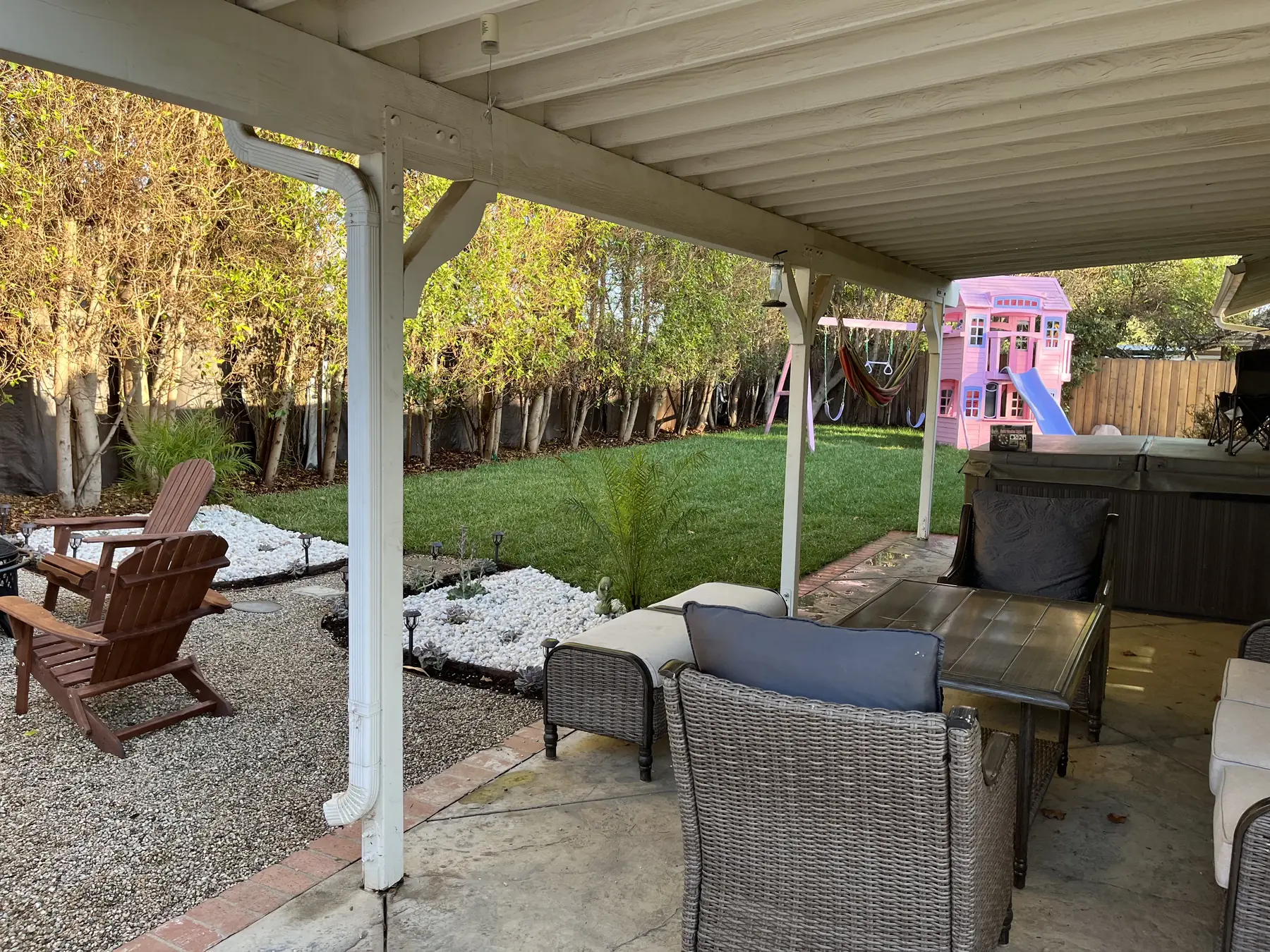
We do both, and often the two are planned together so the property reads as one coherent design. Front yards in Tarzana carry the curb appeal, the water-wise plantings, and the first impression people get from the street, while backyards are where the patios, outdoor kitchens, fire features, and gathering space usually live. Some clients start with one and phase the other as budget allows, which is easy to plan for when the overall vision is set early. Tell us which matters most to you right now, and we build the sequence around it.
Daniels Landscaping is a licensed California contractor, license number 1138709, and we are glad to share our paperwork before any work begins. Hiring a licensed contractor matters more than people realize, since it means the work is held to state standards and you have real recourse if something is not done right. On hillside jobs especially, where retaining walls and drainage carry structural weight, that accountability is worth having. Ask us for our license and insurance details at the estimate, and we will put them in front of you.
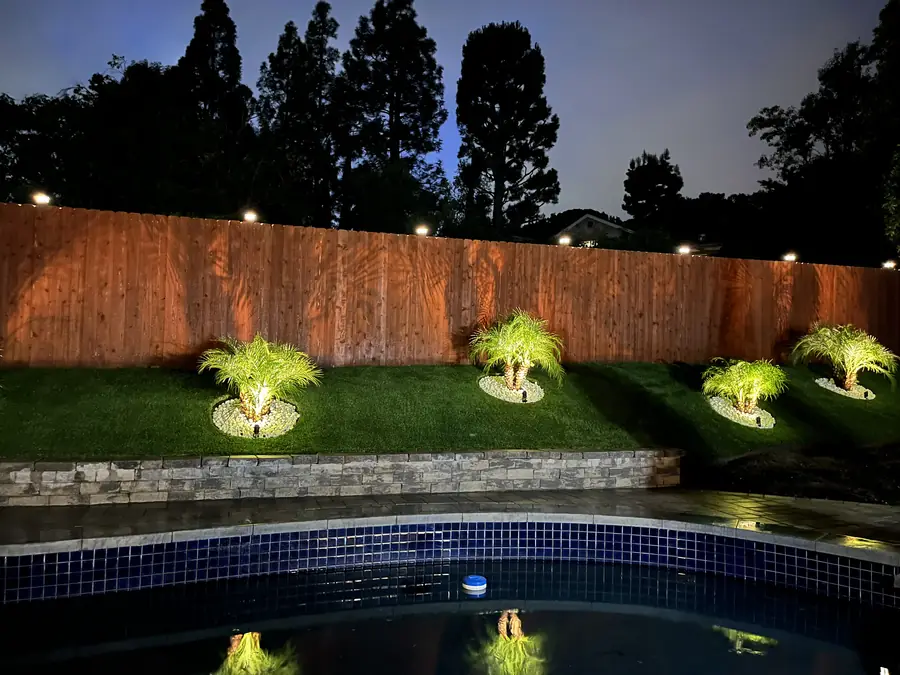
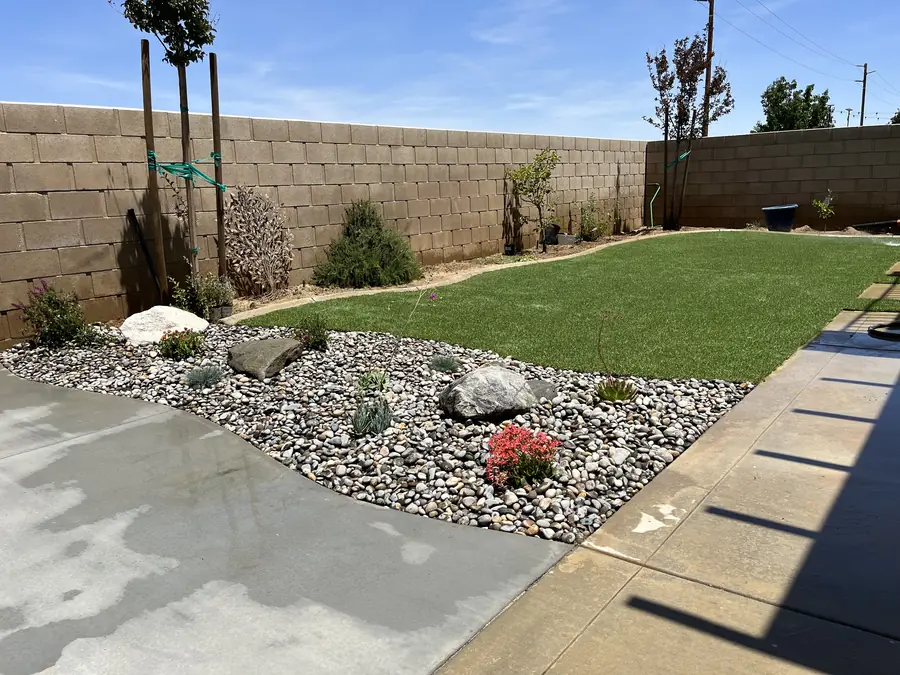
Artificial turf is a popular choice for homeowners who want green underfoot without the water bill or the mowing, and yes, we install it across Tarzana. It works well in play areas, tight side yards, pet runs, and the sunny spots where real grass struggles through summer. The key is the base, so we grade and compact properly and build in drainage, which matters even more on a slope where water needs somewhere to go. Good turf over a solid base looks natural and holds up for years. We will walk you through the options.
It depends entirely on scope. A planting refresh or an irrigation upgrade can wrap up in a matter of days, while a full redesign with hardscape, walls, drainage, and mature planting runs longer, sometimes several weeks. Hillside projects south of the boulevard usually take more time than the flats, because access is tighter and the structural work has to cure and settle before the next stage begins. When we hand you the estimate, we lay out a realistic timeline for your specific yard and keep you posted as the work moves along.
Tarzana sits right in the middle of our service area, so we regularly work the neighboring communities too, including Encino to the east and Woodland Hills to the west. The conditions carry over from town to town, the same clay on the Valley floor, the same hillside challenges as you climb toward Mulholland, so the experience we bring to a Tarzana yard applies just as well next door. If you are near the Tarzana line and not sure whether we reach you, just ask when you call and we will let you know.
Getting started is simple. You reach out by phone at (818) 443-9300 or through the site, tell us a little about your property and what you have in mind, and we set a time to walk the yard with you. On that visit we look at your grade, soil, access, drainage, and the way you want to use the space, whether you are on the flats to the north or the hillside to the south. From there you get a free written estimate, and once you are ready, we schedule the work. No pressure, just a clear next step.