
FAQ
Irrigation in Mission Hills, answered
The questions we hear most from Mission Hills homeowners.
Design comes before digging. We measure the property, check static pressure and available flow at the point of connection, then divide the yard into zones grouped by what the plants in them need. Trenches are cut, mainline and lateral pipe are laid, valves are set in a manifold inside boxes you can actually reach, heads are placed on spacing that overlaps, and drip is run where beds and trees will go. The controller is programmed, every zone is run and adjusted, and trenches are backfilled and settled so the yard does not sink later.
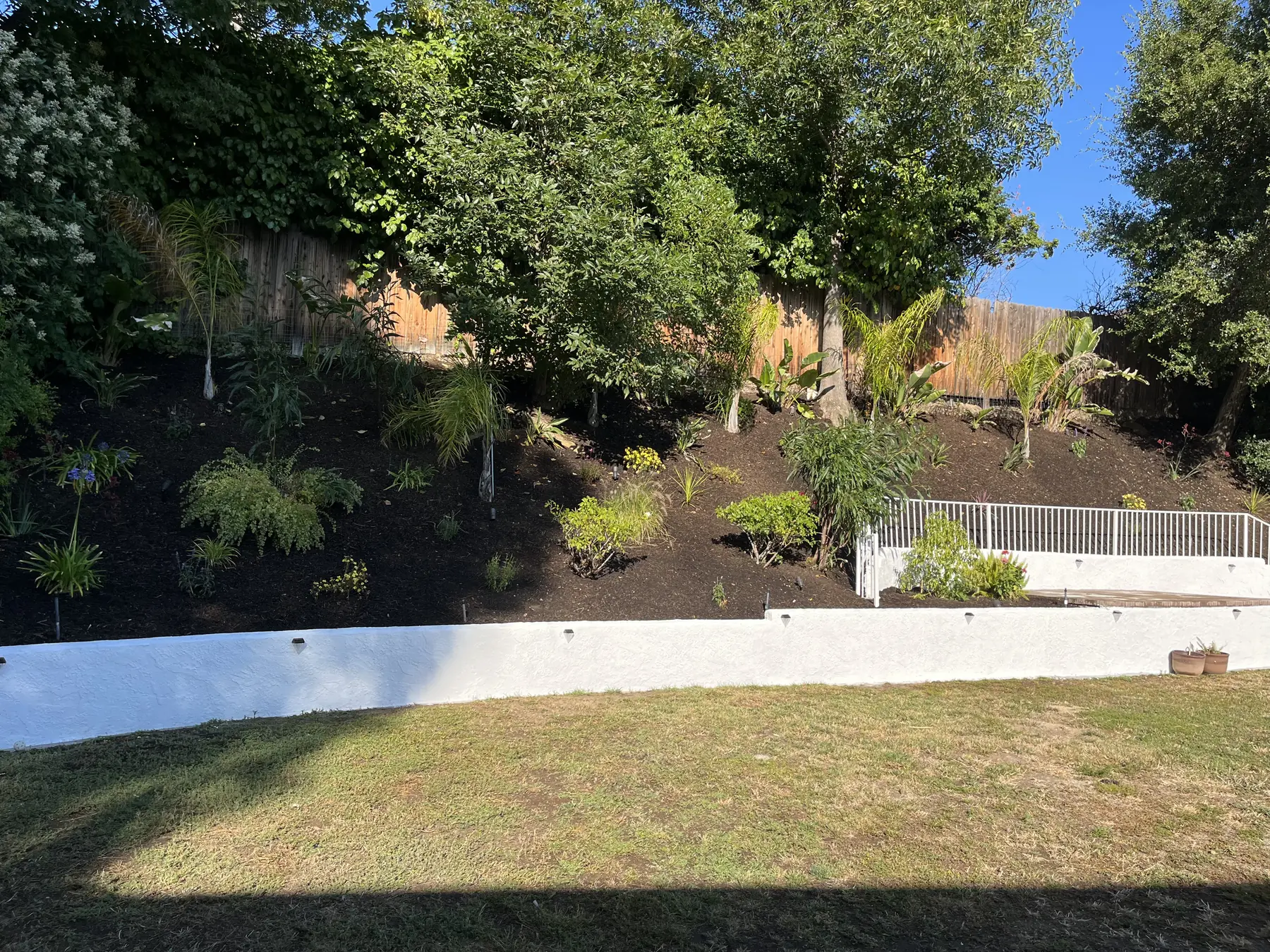
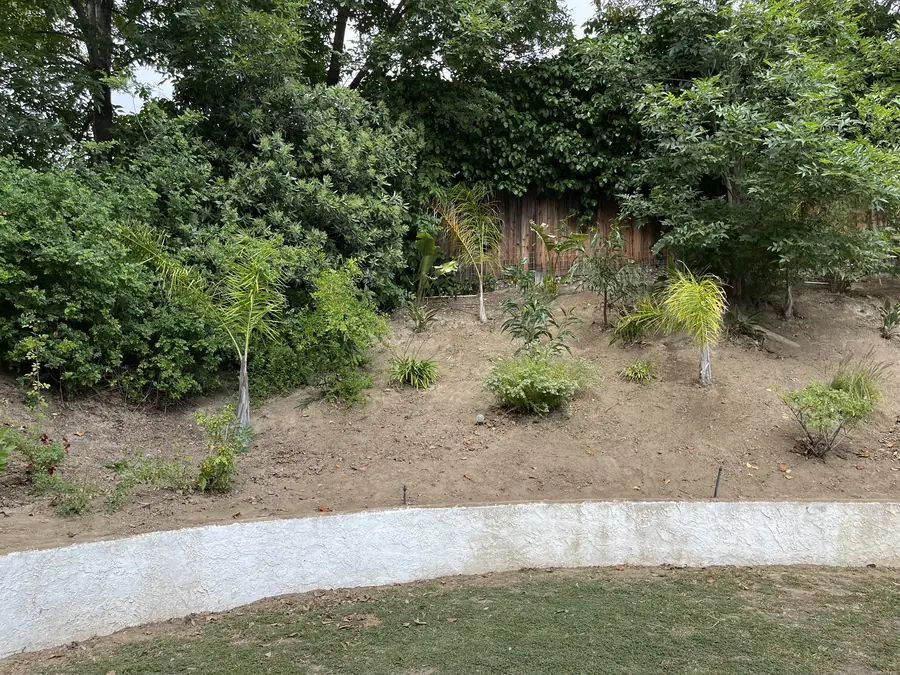
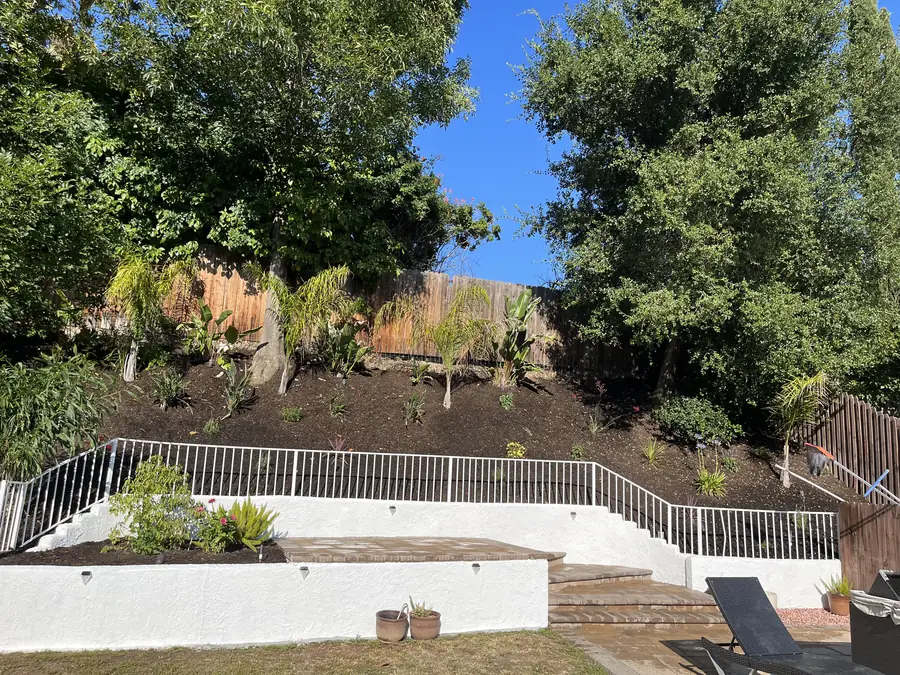
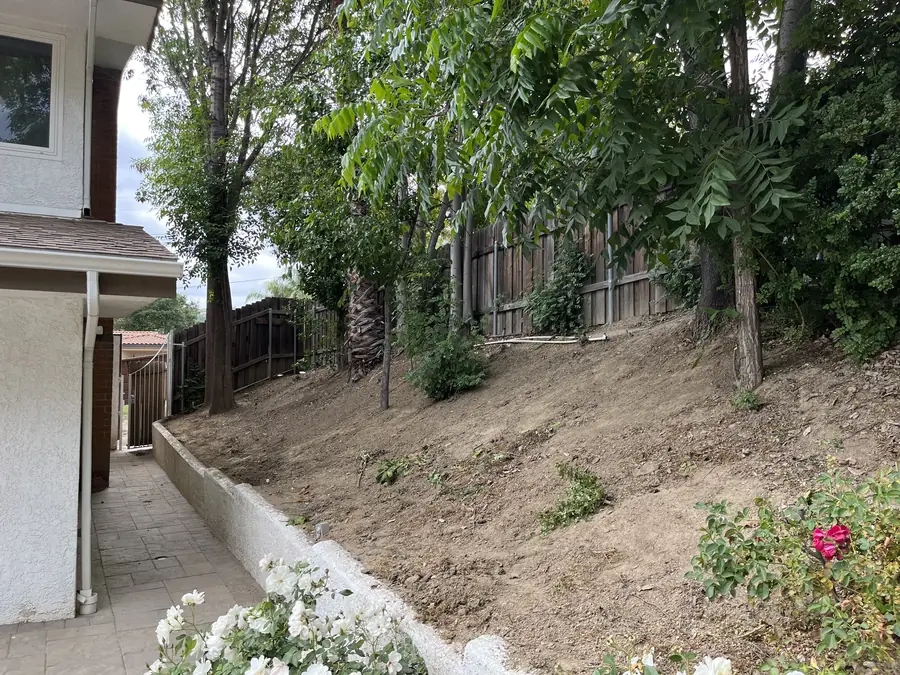
Because the ground under them is different. Much of Mission Hills lies flat, but the land rolls and rises gently as it moves north, so one lot has genuine grade and the next has none. A sloped property needs nozzles that apply water slowly enough to soak in, heads positioned so the low end does not stay soggy, and sometimes check valves to stop lines from draining downhill between cycles. A flat property has none of those concerns and instead needs even coverage and clean head to head spacing. Same neighborhood, different systems.
It does, though the effect here is small rather than dramatic. Every foot of rise costs pressure and every foot of drop adds it, so heads at the top of a gently sloping lot can throw a little short while heads at the bottom mist and fog. Pressure regulating bodies even that out by delivering the same pressure at the nozzle regardless of where the head sits. We also avoid mixing high and low elevations on a single zone where the layout allows, which keeps each station operating in a narrow range.
Two ways, and they work together. Nozzle selection comes first. Rotary nozzles and low precipitation heads put water down at a slower rate than standard sprays, giving soil time to absorb rather than shed it. Scheduling comes second. Cycle and soak splits a zone into several short runs separated by rest periods, so a station that would otherwise run once and send water down the grade instead runs in pieces and lets each one soak in. Runoff on this mild grade is easy to defeat, but only if somebody plans for it.
Flat ground gives water nowhere to go, so anything applied faster than the soil absorbs it simply sits. On the level parts of Mission Hills there is no grade to carry excess away, which means the system has to be right rather than generous. We look at run times first, then at head spacing and nozzle rate, then at whether the wet patch is really a low spot that needs a drain rather than an irrigation fault at all. Shorter repeated cycles usually solve more than turning the whole schedule down.
Area shape and size decide it. Spray heads throw a fixed fan a short distance at a fast application rate, which suits small lawn panels, parkways and tight side yards. Rotors send a stream back and forth across large open turf, applying far less water per hour so it has time to soak. Rotary nozzles fit a standard spray body but throw slow multiple streams, making them a natural choice on the gently graded lots here and on heavier soil. Mixing families on one zone is what creates yards with wet rings and dry gaps.
Sprinklers are designed so the spray from one head reaches the base of the next. It sounds wasteful and is not, because coverage runs heaviest near a head and thinnest at the edge of the throw, and that overlap is what evens the two out. Matched precipitation means every nozzle on a station applies water at the same depth per hour whatever its arc, so a quarter circle and a full circle put down the same amount. Mismatch them and the zone must run long enough for the driest corner, drowning everything else.
Anywhere the target is a plant instead of a surface. Shrub beds, hedges, perennial borders, vegetable areas and individual trees all take drip well, because emitters put water at the roots with almost nothing lost to wind, sun or overspray. Foliage stays dry, which discourages disease, and walls, fences and windows stop getting sprayed. Drip does need attention that sprinklers do not, including a filter, a pressure regulator, and an occasional walk of the lines to catch a chewed tube or a plugged emitter before a plant tells you about it.
Usually, and it is one of the better water savings available on an older yard. The valve stays, the lateral pipe often stays, and the conversion happens at the head. Existing bodies can be retrofitted to feed tubing, or the zone can be cut in at the valve with a filter and regulator added there. What changes most is the schedule, since drip runs far longer at far lower flow than a spray zone did. Converting a lawn zone is different work, because turf needs uniform surface coverage rather than point emitters.
By water need, not by convenience. Hydrozoning puts plants with similar demands on the same station so nothing is watered on somebody else's schedule. Lawn goes alone, because it drinks more than nearly anything around it. Sun beaten south and west exposures separate from shaded north sides. Established trees get their own station with long infrequent runs that push water deep. Slope areas separate from level ones. When the grouping is right, each zone can be dialed to what it actually needs, and that is where the savings live.
Valves get grouped into a manifold and set in boxes at grade, somewhere reachable rather than buried behind a hedge or under a future patio. Each valve controls one zone and is wired back to the controller. Grouping them means one place to troubleshoot, one place to shut something off, and no guessing years later about which box holds what. We photograph and label the manifold so the layout is documented. Valves hidden in odd corners are the reason so many homeowners cannot tell you where their system even is.
In this climate it earns its place quickly. A weather based controller adjusts run times against local conditions instead of repeating whatever was programmed in spring, so watering rises through the worst of the summer heat and backs off when the weather turns. Full sun exposure through a long dry season is exactly the situation where fixed schedules waste the most. A rain sensor, or the controller's own weather feed, skips cycles when rain arrives. You still get manual control, but the day to day adjusting stops being your job.
Yes. Irrigation lines sit in soil, fertilizer and standing water, and a drop in supply pressure can pull that back toward household plumbing. A backflow assembly stops water moving the wrong direction, and it is a code requirement rather than an upgrade. The type used depends on the connection, the hazard level and where the device sits relative to the highest head. It is installed above grade, kept accessible for testing, and protected from sun and impact. We size and place it as part of the design rather than adding it as an afterthought.
Symptoms point the way first. A soggy patch that never dries, a zone that lost pressure, or a meter that creeps with everything shut off narrows the search, and we isolate station by station before opening any ground. The usual culprits are a lateral cut by a shovel or a root, a valve holding slightly open because grit is caught in the diaphragm, a failed seal at a head, or chewed drip tubing. Broken heads from mower wheels and tires are the most frequent repair of all. Locating the fault is the work.
It depends on what is actually left. Mission Hills carries a mix of long established homes and newer construction, and plenty of the older properties still run whatever went in when the house was built. If the pipe is sound and the layout still matches the yard, replacing heads, nozzles, valves and the controller brings it a long way forward. If pipe is failing in several places, coverage never fit the current planting, or the yard has been redone around it, a fresh design costs less over time than chasing failures.
They shape the schedule and the equipment. Watering days and hours are set by the local water agency and change with conditions, so systems are built to comply and to be reprogrammed easily when the rules move. Beyond compliance, the practical answer is efficiency, which means drip in beds, low precipitation nozzles, pressure regulation, hydrozoning and a controller that responds to weather. Local water agencies sometimes offer rebates on qualifying equipment such as smart controllers or rotating nozzles. Programs and eligibility change often, so we point you to the agency rather than making promises.
Our people. Daniels Landscaping stays accountable for the whole job, start to finish. The crew that trenches the lines is the crew that glues the pipe, sets the valves, places the heads, wires the controller and comes back to adjust arcs once the plants are in. Irrigation is buried work, and buried work is where shortcuts disappear from view, so we keep it in the hands of people who answer to us. If something needs attention later, the same company that installed it shows up.
Reach Daniels Landscaping at (818) 443-9300 and we will schedule a walk of the property. On site we check pressure and flow, look at how the ground sits, note sun and shade, review the planting the system has to serve, and inspect anything already buried. From that you receive a free written estimate covering zones, equipment and scope in language you can read without a glossary. Daniels Landscaping is licensed in California under number 1138709, and there is no cost or obligation for either the visit or the estimate.