
FAQ
Renovations in Lake View Terrace, answered
The questions we hear most from Lake View Terrace homeowners.
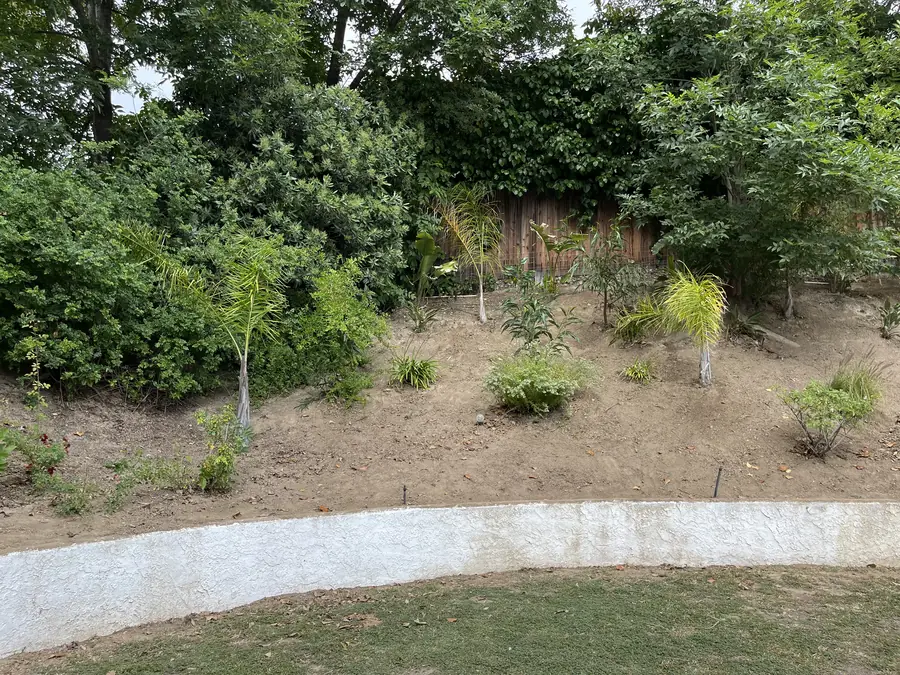
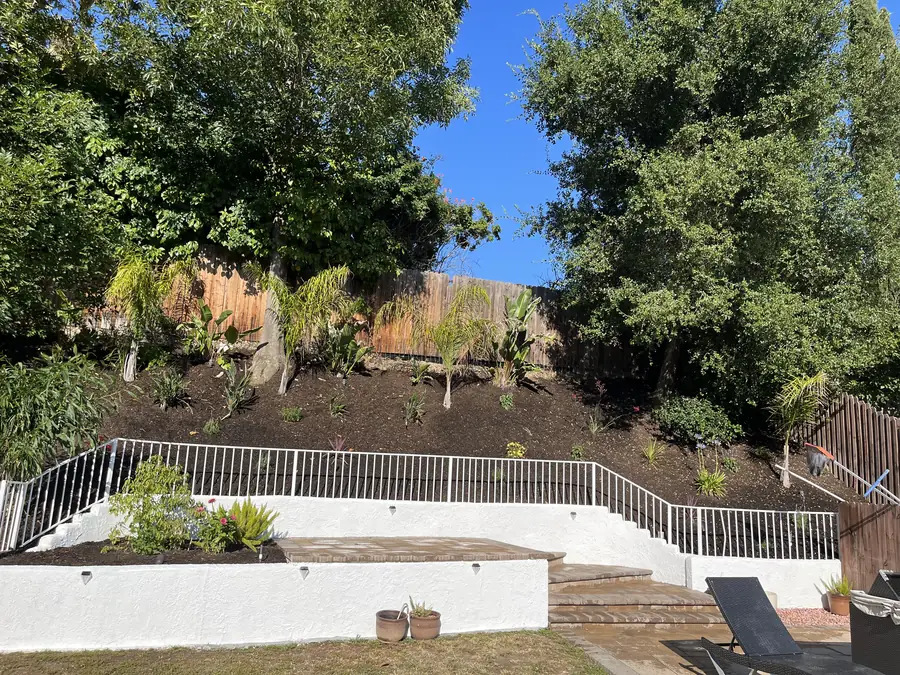
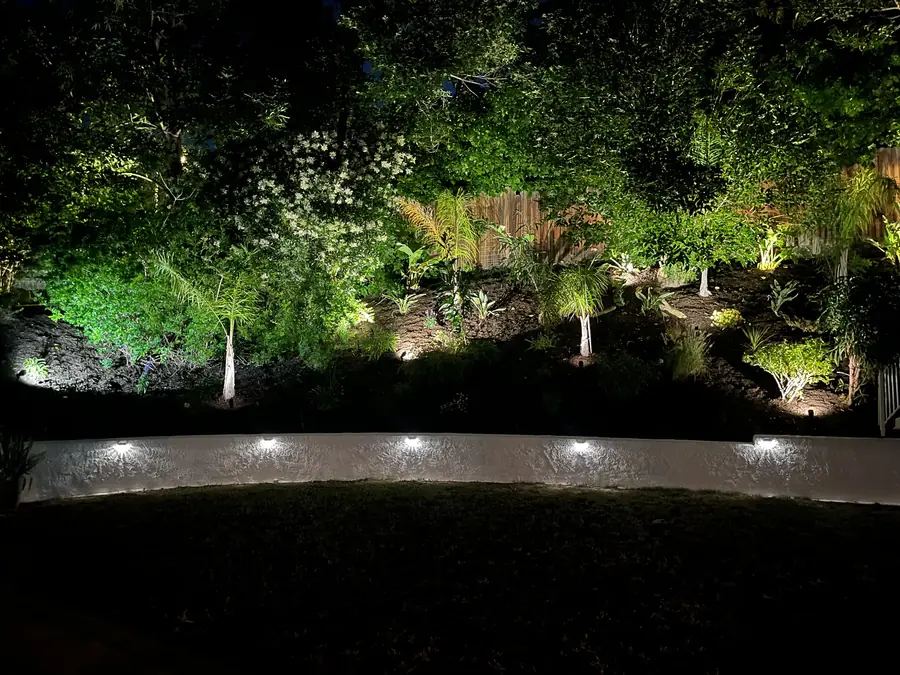
Most of the change is structural rather than decorative. We look at how the property is organized now, then move the pieces sitting in the wrong place, a patio too close to the stalls, a planting bed blocking a turn for a trailer, an irrigation system watering ground nobody uses. Old surfaces come out, grades are corrected, and the areas that get daily use are rebuilt properly. The rest of the parcel is often left open and natural on purpose, because trying to landscape every square foot of acreage wastes money and water.
Walking the property together is how that gets settled. Mature trees, a healthy hedge, a wall that is still sound, and paving with a good base are worth keeping, and we say so even when replacing them would be a bigger job for us. What comes out is anything failing at the base, anything fighting the drainage, and anything locking you into a layout you have outgrown. We mark it physically on site so there is no confusion later about exactly what the team is removing.
Debris leaves the property as we go. We stage the dumpster or haul truck in one agreed spot, usually near the street and off the route to the barn, then clear broken concrete, old base rock, and green waste in batches rather than letting piles collect around the site. On rural parcels there is normally room to keep staging entirely clear of the working side, so feed deliveries, the farrier, and a trailer still get through. Access is discussed before the first day, never improvised on the spot.
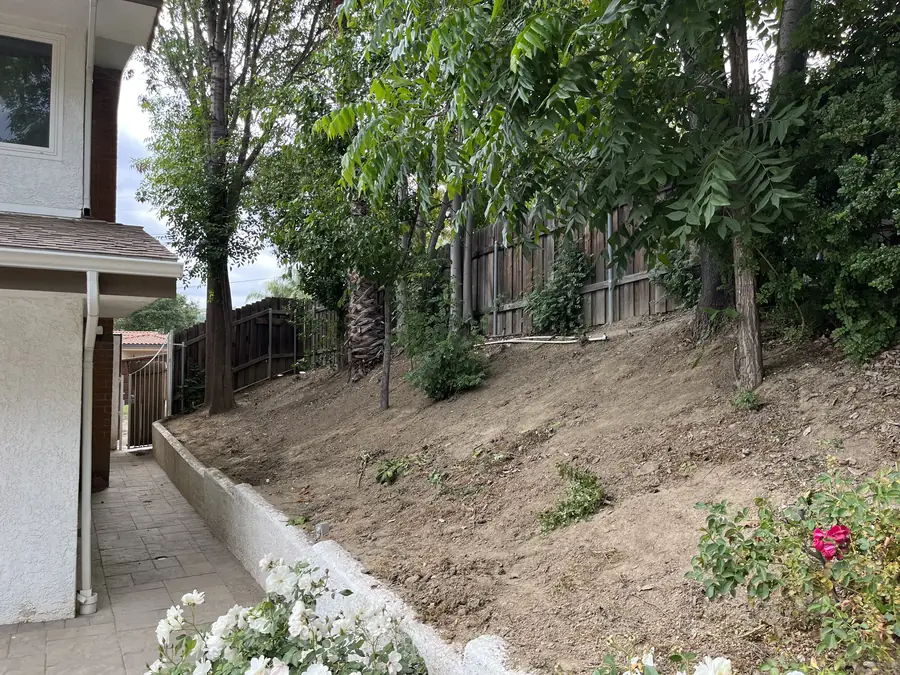
That is the best possible time to fix them. Water coming off the hills has to be managed, and once old surfaces are out and the ground is open, we can reset grades, cut swales, and install buried drain lines and outlets while the machine is already on site. Doing it later means tearing out work you just paid for. Rocky alluvial ground does not absorb water evenly, so we plan for where the water goes instead of assuming it disappears quietly into the soil.
It slows demolition, and it is worth knowing up front. Old slabs out here often sit on cobble and rock, and once they are broken out, regrading means moving material heavier and less cooperative than clean soil. We size the equipment for that, and we reuse crushed material as base where it is appropriate rather than importing everything new. Any new footing goes down to material that will genuinely bear the load, since setting on loose rocky fill is how walls and columns end up moving.
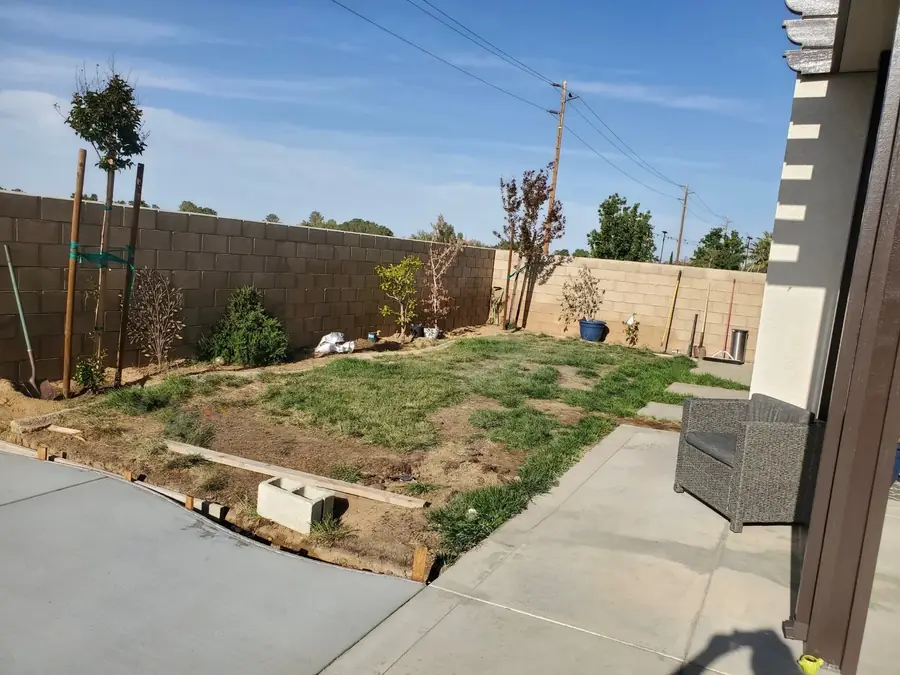
Renovations follow a fixed sequence, and skipping ahead causes rework. Demolition and haul away first, then grading and drainage while the ground is open, then utilities and irrigation, then hardscape, then planting last. Irrigation before paving, paving before plants, every time. The only thing that varies is how much of the property is opened at once. When a yard looks worse partway through than it did at the start, this is why, because the rough stages are the ones deciding whether the finished work holds up.
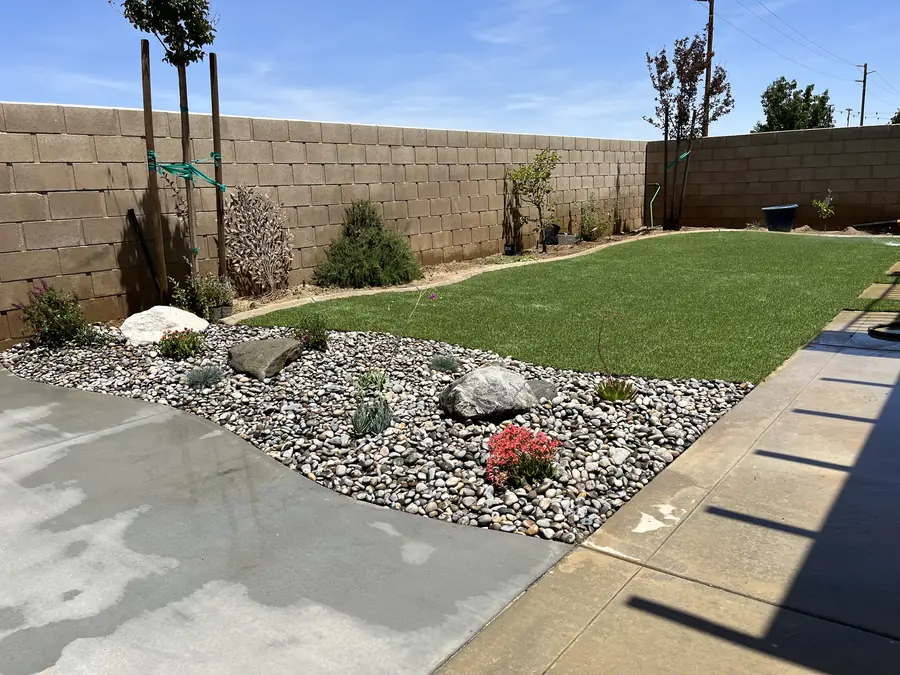
There are three honest options. Put in new sod or seed and commit to watering it, replace it with artificial turf where the area takes hard use, or convert to drought tolerant planting with drip and mulch and stop paying to water grass nobody walks on. On larger parcels out here the answer is often a smaller real lawn where it is genuinely used, with surrounding ground converted to low water planting or left natural. Whatever goes in, the failed irrigation that killed the first lawn gets corrected first.
Phasing suits big parcels well. We renovate one area to completion, the space around the house for example, then move to a second area such as the arena surrounds or the entry drive in a later stage. Drainage and main line work serving later phases is roughed in during the first dig wherever that makes sense, because opening the same trench twice is money wasted. Each phase is planned to stand on its own so the property never looks like a half finished job while you wait.
Mature trees set the rules. We keep equipment and traffic off the root zone, hand dig anything passing near it, and avoid raising or lowering grade over the roots, which is what quietly kills established trees a year or two after a project finishes. Irrigation is adjusted so a tree that has lived on deep infrequent water is not suddenly surrounded by daily spray. Where a tree shades a planting area, we select plants suited to that shade rather than fighting the tree for the space.
Yes, and it is the least glamorous money you will ever spend well. Brittle old lines, mismatched heads, and a controller with no weather input waste enormous water on a large property. While trenches are open we replace what is failing, split zones so lawn and shrubs are not sharing a valve, convert spray beds to drip, and set a controller that responds to weather. Doing this after hardscape and planting are finished means cutting into work that was just completed.
It does. Near the wildland edge, the ground immediately around a structure matters most, so we keep that band low, spaced, and green rather than dense and woody, and we avoid heavy combustible mulch tight against walls. Farther out, planting is broken up rather than run continuously toward the hills. A renovation is a good moment to pull overgrown, dried out material that accumulated over the years, since it is coming out with the rest of the demolition anyway.
Renovating around a pool is routine work. The pool stays, and the deck, coping, drainage, and planting around it are what change. We protect the surface and the equipment during demolition, keep debris out of the water, and confirm the deck drains away from the pool rather than into it. If the old deck is cracked and settling, that usually means the base beneath it failed, so we rebuild the base instead of pouring new concrete over the same underlying problem.
It comes out. Patching a slab that is cracked and heaved buys very little time, and the crack normally reappears along the same line. We break it up, haul it off, work out why it failed, which is usually poor base, no reinforcement, missing control joints, or water undermining an edge, and rebuild with a compacted base, steel set on chairs, and joints placed where they belong. If the same surface is going back, this is also the moment to change its shape.
Parts of it can. Straight replacement of planting, irrigation, and flat paving generally does not require a permit, while a retaining wall above the height threshold, structural work, new gas or electrical, and a driveway apron sitting in the public right of way do. Since Lake View Terrace is within the City of Los Angeles, those applications go through Los Angeles Building and Safety. We identify at the estimate which portions of your renovation are permitted work and take care of the applications and inspections ourselves.
Less than most people first assume, and that is the right answer on acreage. Concentrating planting and irrigation where you truly spend time, near the house, along the entry, around the seating areas, produces a far better result than thinning the same budget across the whole parcel. Remaining ground can be kept clean, graded, and natural, which suits the open rural character out here. It also keeps the water bill sane and holds maintenance to a level you can realistically sustain.
One licensed contractor is accountable for the whole renovation. The people breaking out the old concrete are the same people setting grades, running the irrigation, building the hardscape, and putting plants in the ground at the end. One foreman runs the job from start to finish. It keeps quality even across every stage, and it means when you ask a question about something that happened during demolition, the person who did it is still on your property.
Most clients do. We work in defined areas, keep the driveway and the routes you rely on open, and clean up at the end of each work day rather than leaving tools and debris spread across the site. Water and power interruptions are scheduled, and you know about them ahead of time. On a large parcel it is usually possible to keep the entire construction zone away from the barn and the house entrance, which makes staying put much easier than on a small lot.
Reach us at (818) 443-9300 to set up a walk through of the property. We look at what is failing and why, what is worth keeping, where water is going, and how you would like the yard reorganized, then put it into a free written estimate listing demolition, grading and drainage, irrigation, hardscape, and planting as separate line items. Daniels Landscaping holds California license 1138709, and the team that gives you the price is the same team that does the work.