
FAQ
Landscaping in Encino, answered
The questions we hear most from Encino homeowners.
Yes, but it takes restraint. The area under a coast live oak is a sensitive root zone, so we keep new planting light, avoid piling soil or mulch against the trunk, and leave the ground under the canopy mostly undisturbed. Heavy digging, raised beds, and thirsty plants are what get established Encino oaks in trouble. We choose species that tolerate dry summer shade and place them out toward the drip line rather than crowded near the base, which keeps the tree comfortable and the bed looking intentional.
Think dry shade natives and Mediterranean plants that expect no summer water once established. Good companions include coffeeberry, currant, sage, deer grass, and native bunchgrasses, all of which are comfortable with the lean, dry conditions an oak creates. What you want to avoid is anything that needs regular summer irrigation close to the trunk, because steady moisture there invites root rot that can slowly kill the tree. We match plant choices to how much light filters through your particular canopy, since no two Encino oaks shade the ground the same way.
Many are. Los Angeles has long standing tree protection rules, and native oaks are among the species those rules commonly cover, including work inside the protected zone around the trunk. That can affect grading, trenching, paving, and even where you stage materials near the tree. Because the specifics depend on the tree and the scope, we plan Encino projects assuming the oak is protected until we confirm otherwise, then design in a way that keeps the root zone intact. It is far easier to work within the rules from the start than to undo a problem later.
It can, if it is done carelessly, and that is not scare talk. The most common ways people accidentally harm an Encino oak are raising the soil grade over the roots, watering a new lawn or bed right against the trunk all summer, and cutting through the root plate for irrigation or footings. Each of those stresses a tree that may have taken generations to mature. Done thoughtfully, though, landscaping and a healthy oak coexist just fine. Our whole approach starts by mapping the root zone and keeping the disruptive work outside it.
Protection starts before any crew shows up. We identify the trunk, the root zone, and the drip line, then fence off that area so nobody drives, digs, or stacks material on top of the roots. Inside that zone we hand dig where needed, avoid compacting the soil, and keep grade at its existing level. We also route irrigation and hardscape around the roots instead of straight through them. Because one licensed contractor does the work, these rules actually get followed on site rather than getting lost between hands.
This is a common Encino situation, and it takes care. A pool excavation near a mature oak can sever major roots and change how water moves through the soil, both of which threaten the tree. Where the oak is protected, digging inside its root zone may also run into the tree rules. We look at where the roots actually run, then position the pool, decking, and equipment to stay clear of the critical zone. Sometimes that means shifting the pool a few feet or choosing a deck detail that does not require deep footings near the tree.
There is no honest flat answer, because cost tracks the scope. A simple planting refresh sits at one end, while a full redesign with hardscape, drainage, a new irrigation system, and pool area work sits at the other. Encino projects often carry a few site specific costs too, like extra care around protected oaks or drainage solutions where the water table runs high. Rather than guess, we walk the property, listen to what you want, and give you a free written estimate that breaks the project down so you can see where the money goes.
Often, yes. When work happens inside the protected zone of a native oak, Los Angeles tree rules can require review or a permit before you cut roots, change grade, or build near the trunk. Straightforward planting outside that zone usually does not trigger the same steps, but the line depends on the tree and the work. We help you figure out which side of that line your project falls on, and we plan the design to respect the protected zone so the approval process, if one is needed, stays as smooth as possible.
A wet spot that never fully dries usually points to one of a few things. Parts of Encino sit over natural springs and a higher water table, so groundwater can surface in low areas, especially near the base of a slope. Poor grading, a broken irrigation line, or runoff from a neighbor can add to it. We start by finding the actual source rather than just covering the symptom, then use grading, drains, dry creek details, or plants that tolerate damp feet to move and manage the water so it stops undermining your yard.
It works very well here, and it suits the setting. Low-water design leans on plants that expect a dry California summer, which is exactly the palette that also lives happily under and around oaks. You get to cut irrigation, keep your water bill in check, and still have a yard with color and texture through the year. We usually blend drought tolerant natives and Mediterranean plants with efficient irrigation and good mulch, then reserve any thirstier plantings for a small, intentional area rather than spreading them across the whole property.
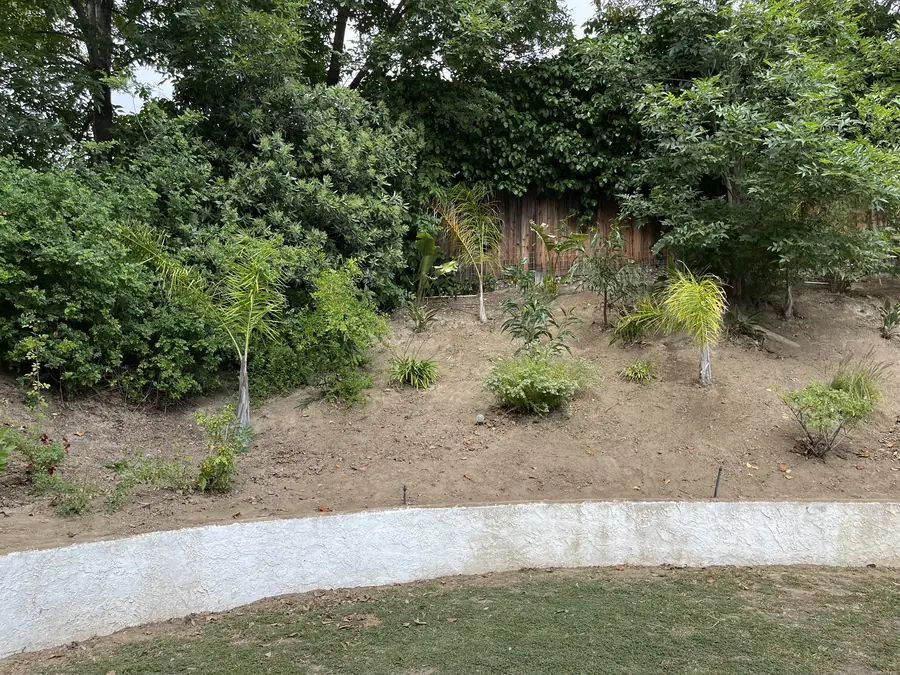
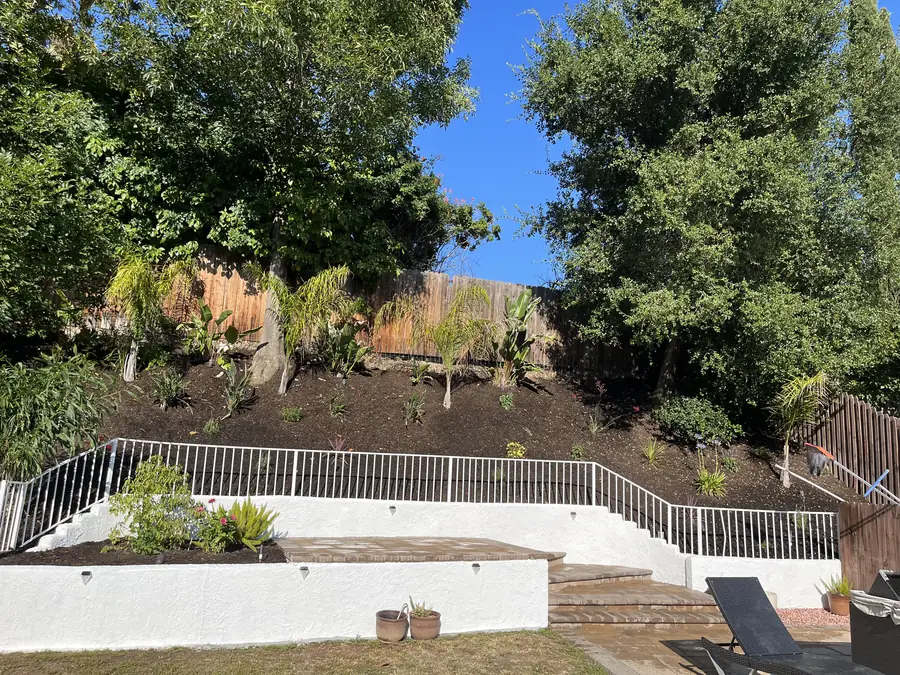
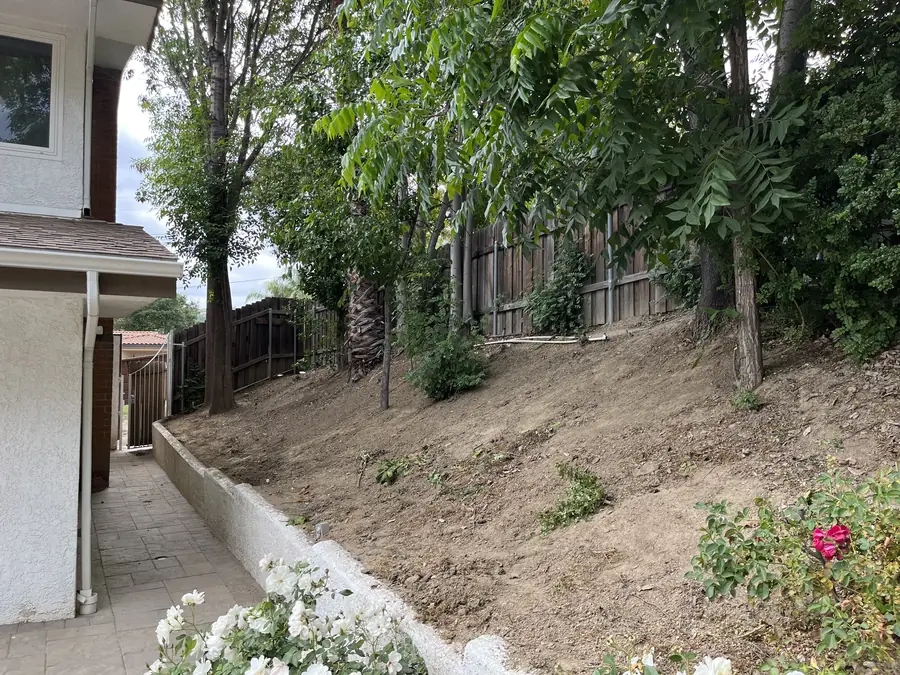
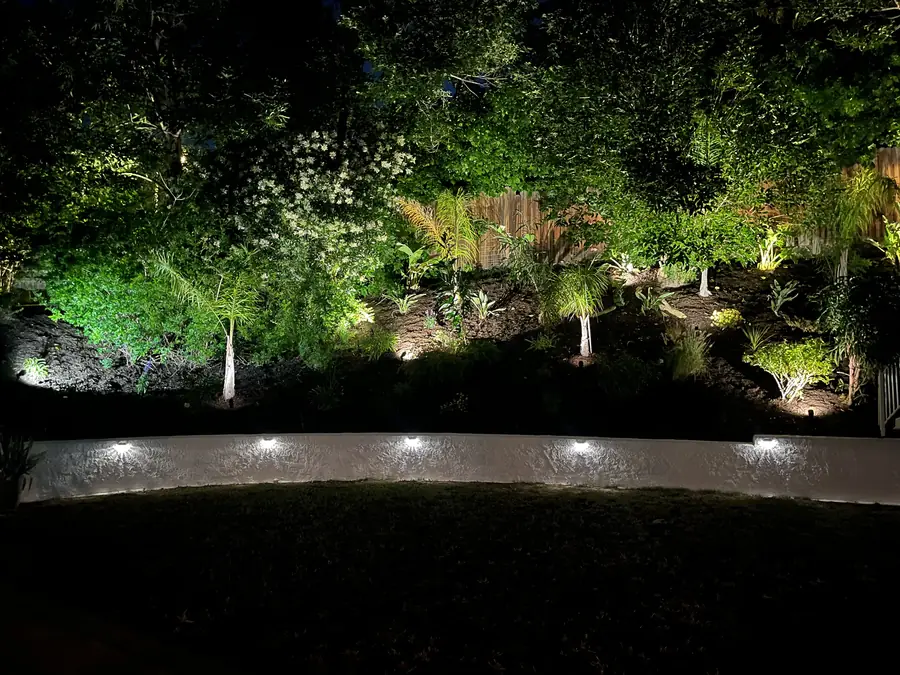
Large lots and hillsides are a big part of what we do in Encino. More ground means more to coordinate, from grading and drainage to irrigation zones, lawn areas, planting, and the trees that anchor it all. Hillside and slope areas bring their own questions around erosion, access, and how water travels downhill. We design the whole property as one connected plan instead of a handful of disconnected patches, so the front, the back, the slopes, and any pool area feel like they belong to the same home rather than competing for attention.
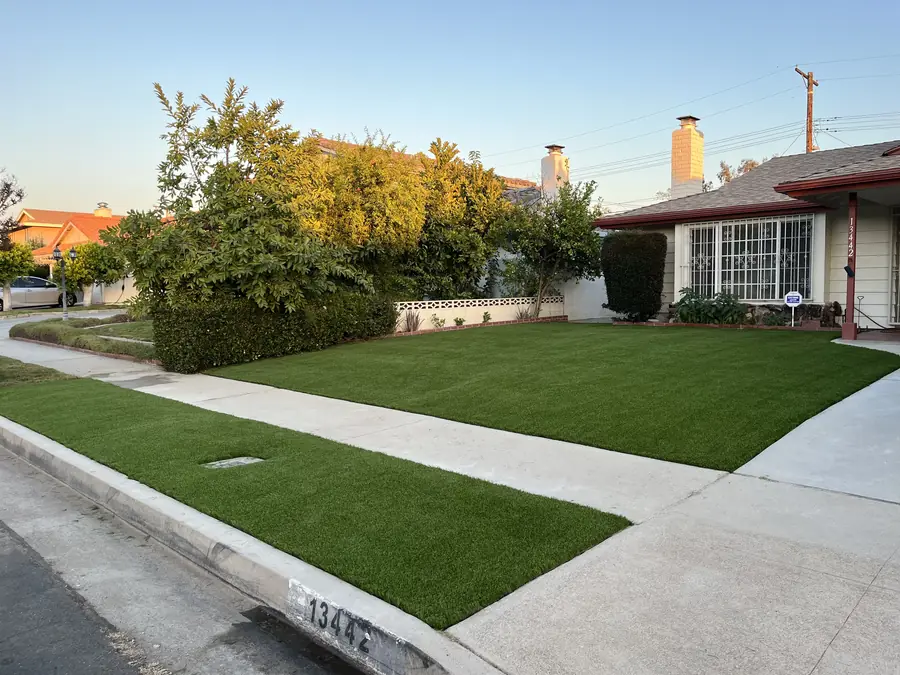
We install artificial turf, and it makes sense in a few specific spots. Deep oak shade, heavy dog traffic, or a narrow side yard where real grass always struggles can all be good candidates. That said, we do not treat it as a cure all. Under an oak we are careful, because covering the root zone with the wrong base can trap heat and block the air and water the tree needs. When turf fits the spot, we install it with proper drainage and a clean edge so it looks right and lasts.
Fall through early spring is the sweet spot for planting, since the cooler, wetter months let new roots settle in before summer heat arrives. That timing is especially kind to natives and to anything going in near an oak, which prefers to establish without heavy summer watering. That said, hardscape, drainage, and design work happen comfortably year round in our mild climate. If you are dreaming about a finished yard for summer, winter is actually a smart time to start planning and building, because the schedule is calmer and plants go in at the right moment.
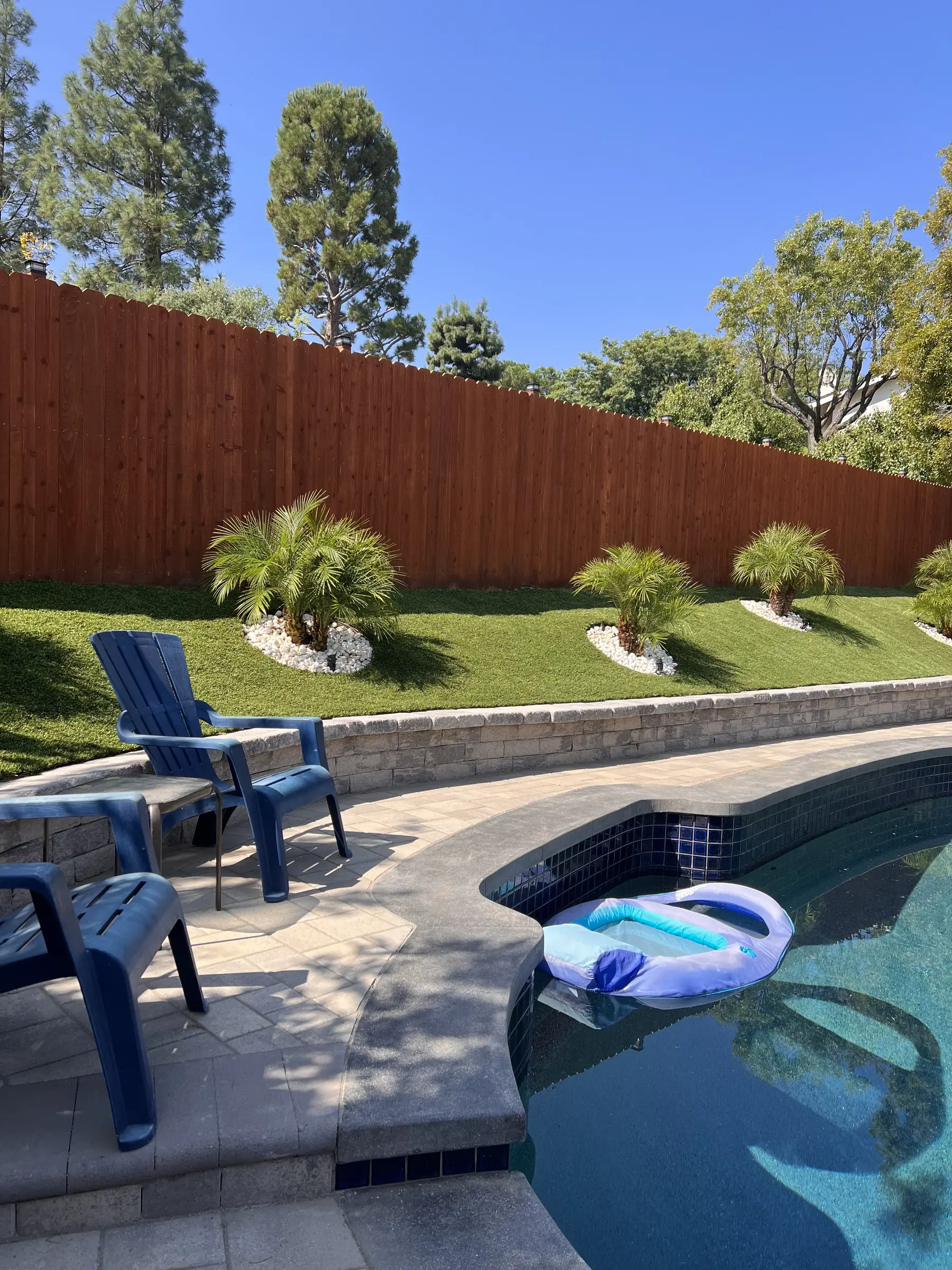
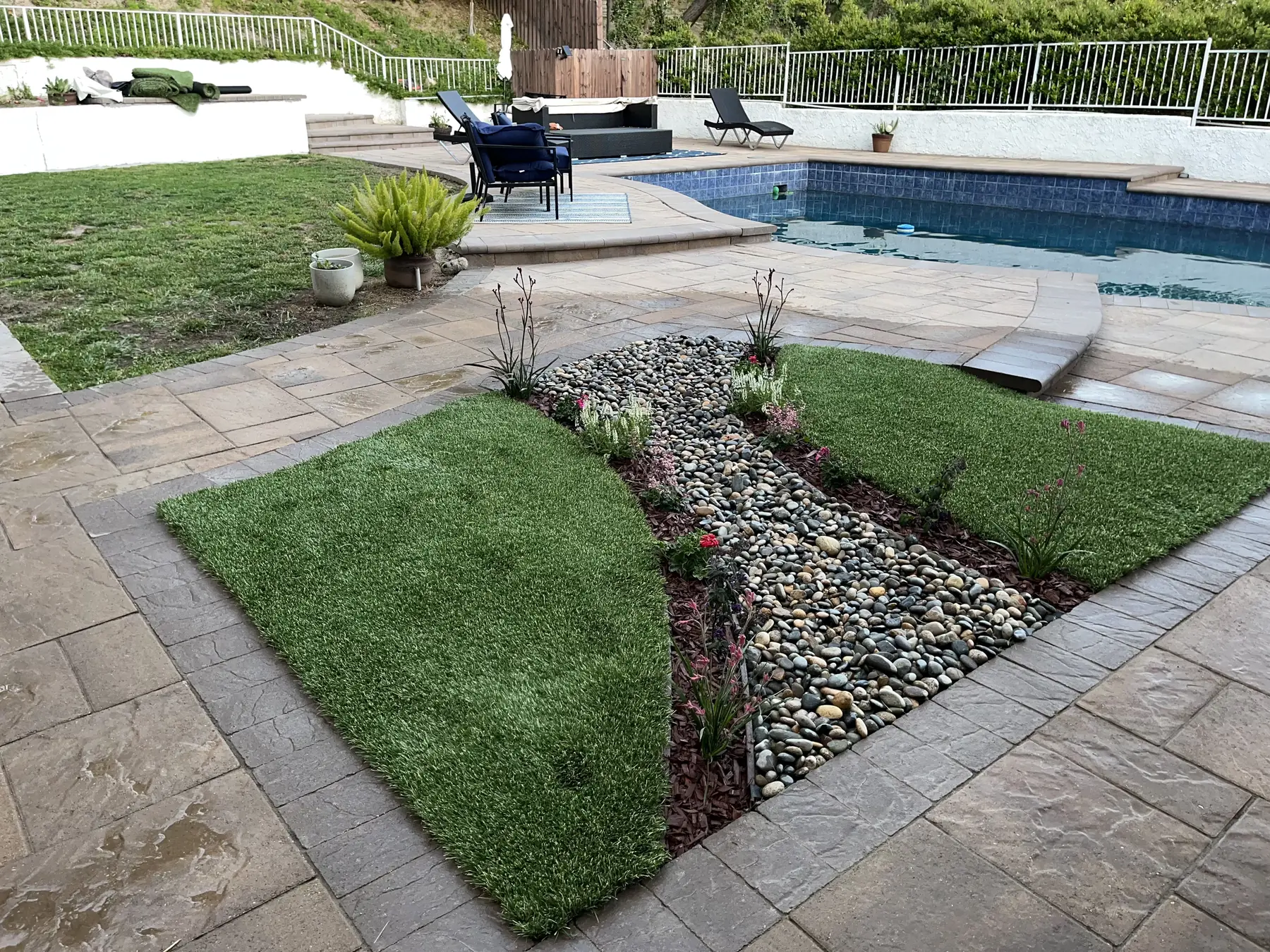
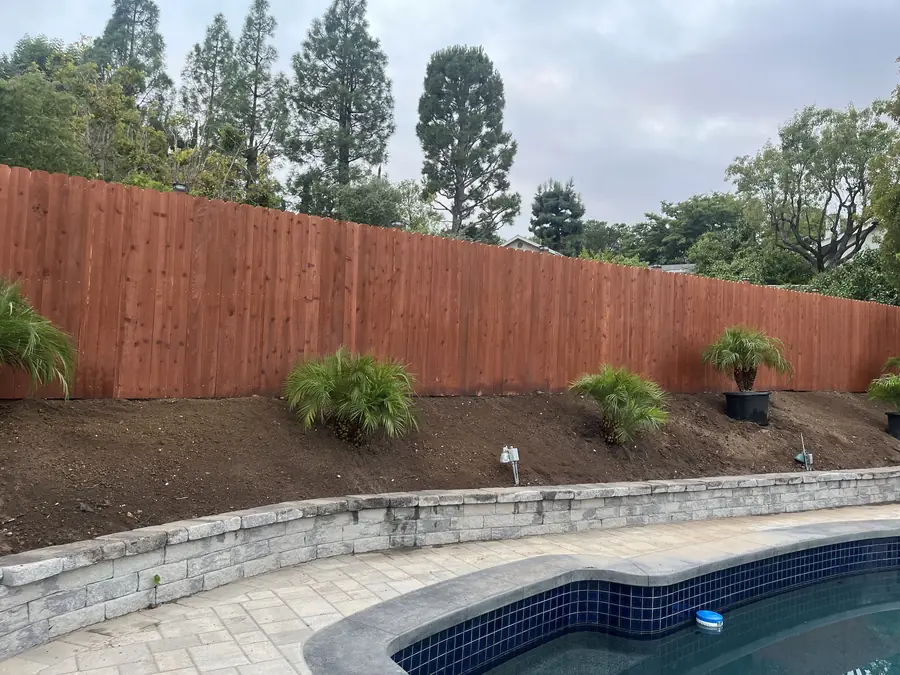
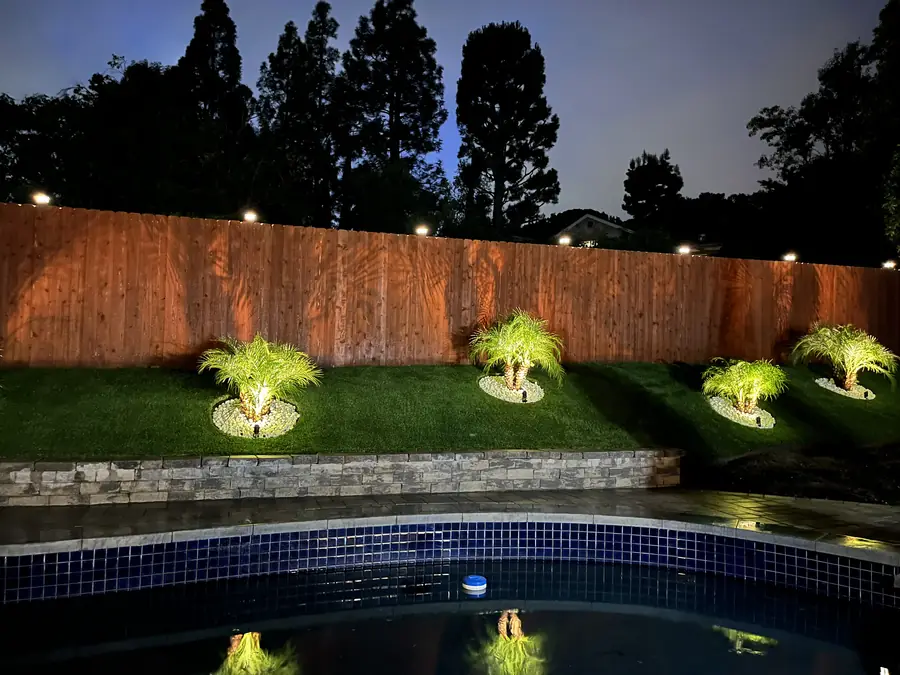
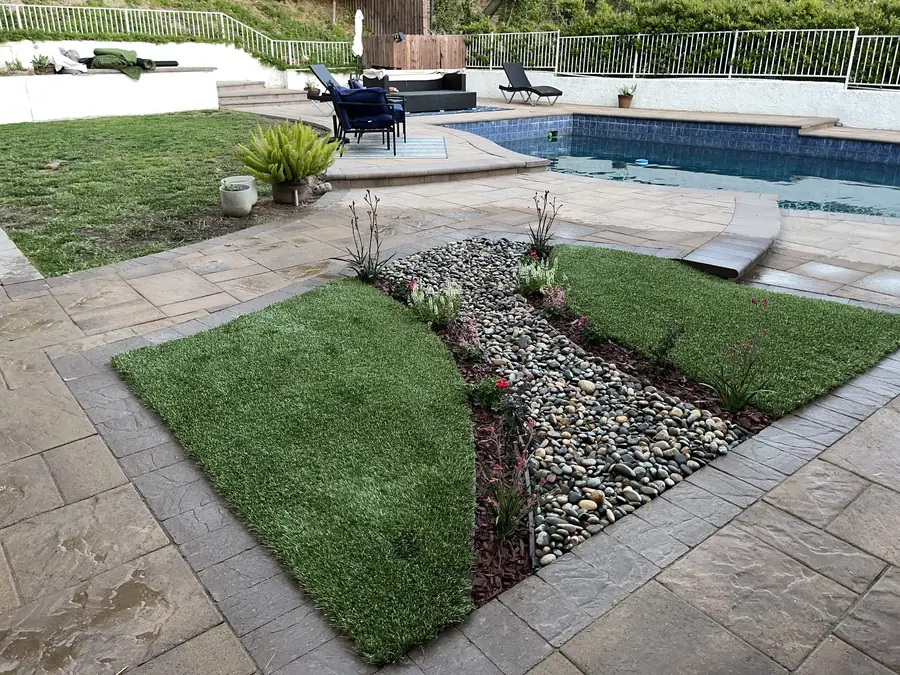
Absolutely, and pool surrounds are one of the most rewarding areas to rework. Many Encino backyards have a pool that anchors the space but sits in dated concrete or tired planting. We can update decking, add shade, soften the edges with the right plants, and tie the pool into the rest of the yard so it feels intentional. Where a mature oak sits nearby, we are careful with roots and with anything that drops leaves into the water, choosing placement and species that keep both the tree and the pool easy to live with.
We do both, and that is the point of a design build company. Daniels Landscaping carries your project from the first concept through the finished, planted yard, so you are not handing a designer's drawing to a separate contractor and hoping the two match up. We draw the plan, refine it with you, and then one licensed contractor builds it, which means the person who understood why the oak needed protecting is connected to the person setting the grade. That continuity keeps projects on track and helps the finished result match what you pictured.
Carefully, and separately from the tree. An established oak wants a dry summer near its trunk, so we keep new irrigation away from the base and design any watering to serve the new plants rather than the oak itself. Emitters placed out toward the edge of the canopy, run briefly and only now and then, let young plants establish while keeping steady moisture off the root crown. Over time, native companions need very little water at all. The goal is a living, planted space beneath the oak that never puts the tree at risk.
Encino is home base, and we serve the surrounding San Fernando Valley too, including neighboring areas like Tarzana and Sherman Oaks. Many of the same conditions carry across town, from protected oaks and larger lots to pools and the occasional high water table, so the way we plan translates well from one neighborhood to the next. Wherever your property sits, the process holds, which is that we come out, study the site, and design around what actually exists there rather than dropping in a template. If you are close by and not sure whether you qualify, just ask.
Getting started is easy. Reach out to Daniels Landscaping by phone at (818) 443-9300, tell us a little about your property and what you are hoping for, and we will set up a time to come see it. We walk the yard with you, look closely at the oaks, the drainage, and any pool or slope, and talk through what is realistic. From there you get a free written estimate, with the scope laid out clearly. There is no pressure and no obligation, just a straight answer about what your Encino landscape could become.