
Encino hardscaping
Hardscaping questions, answered
What Encino homeowners ask before building.
It depends on the surface, the area, and any tree or slope constraints. On a larger Encino lot the areas are bigger, and working around protected oaks or a hillside can add planning and care. We measure the property and quote the finished scope in writing, and we are happy to phase it.
Carefully, and often the answer is to keep paving out of the protected root zone entirely. Laying a base tight to a mature oak means cutting roots and compacting the soil it feeds through, which kills it slowly. Where you want a surface under or near the canopy, permeable options that do not seal the ground are the safer route. We plan the layout around the tree.
Many mature native oaks are, and the rules often cover work within the protected zone around the trunk, not just the tree. That can include grading, trenching, and paving under the canopy. We check what applies to your specific trees before anything starts rather than finding out afterward.
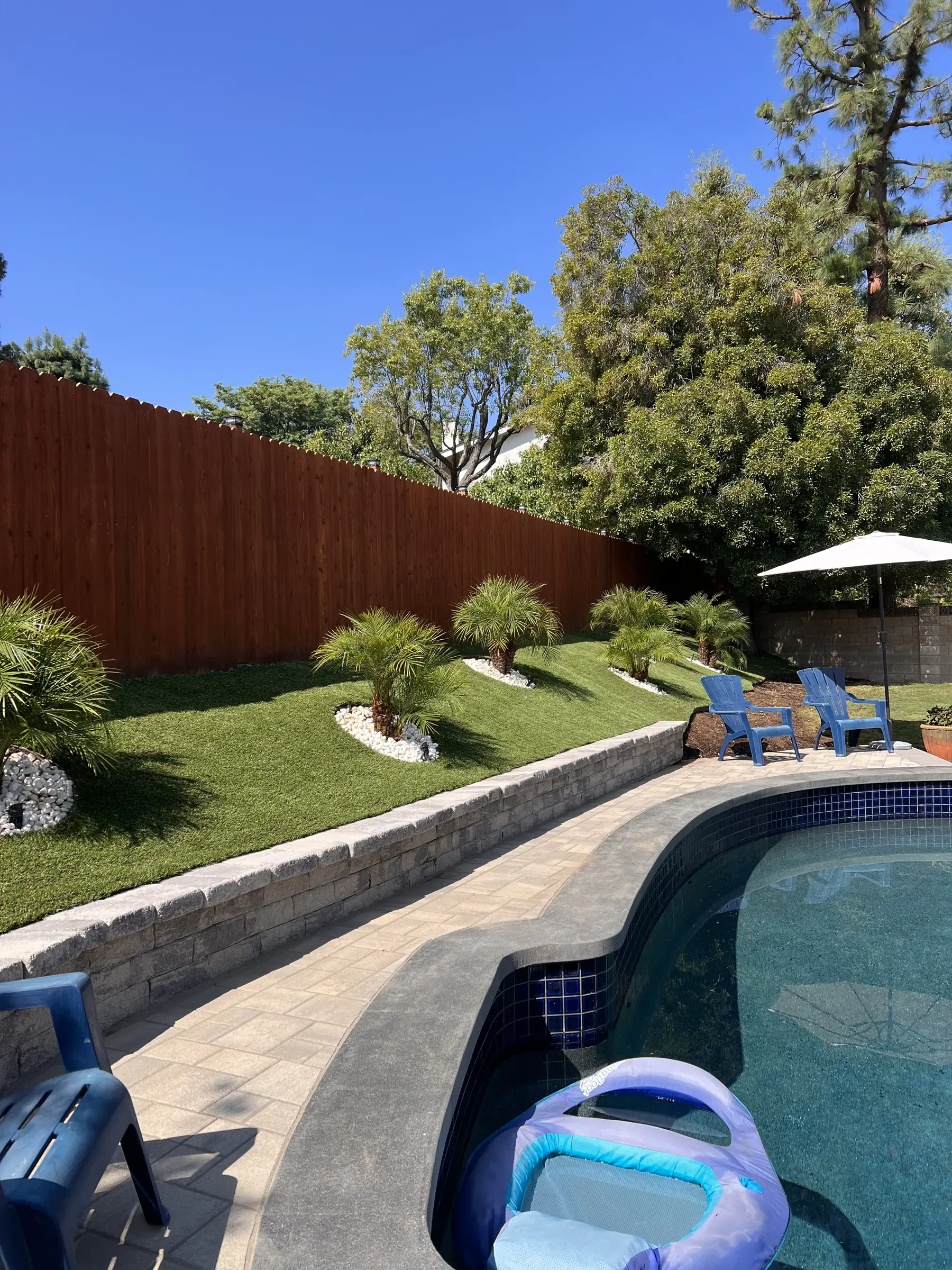
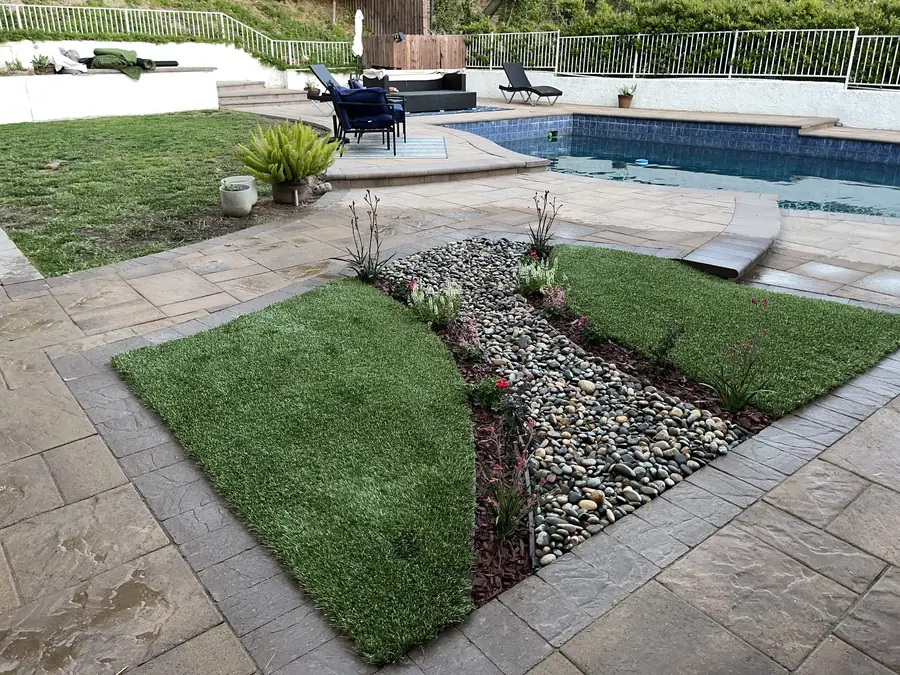
Yes, and it is common Encino work. Priorities are a surface that is not slick when wet, not painfully hot barefoot, and drainage that carries water away from the pool. Pavers around a pool keep future plumbing repairs simple, since you lift them instead of breaking concrete.
Pavers flex with the clay and a damaged one lifts out; poured concrete is cheaper for driveways and long runs. Around trees, pavers on a permeable base are often the better choice because they can be lifted for root work without demolition. We price both.
It depends on the load. A walkway needs less than a driveway. On the larger lots we do not economize on depth, and near trees we keep the excavation shallow and outside the root zone where the design allows.
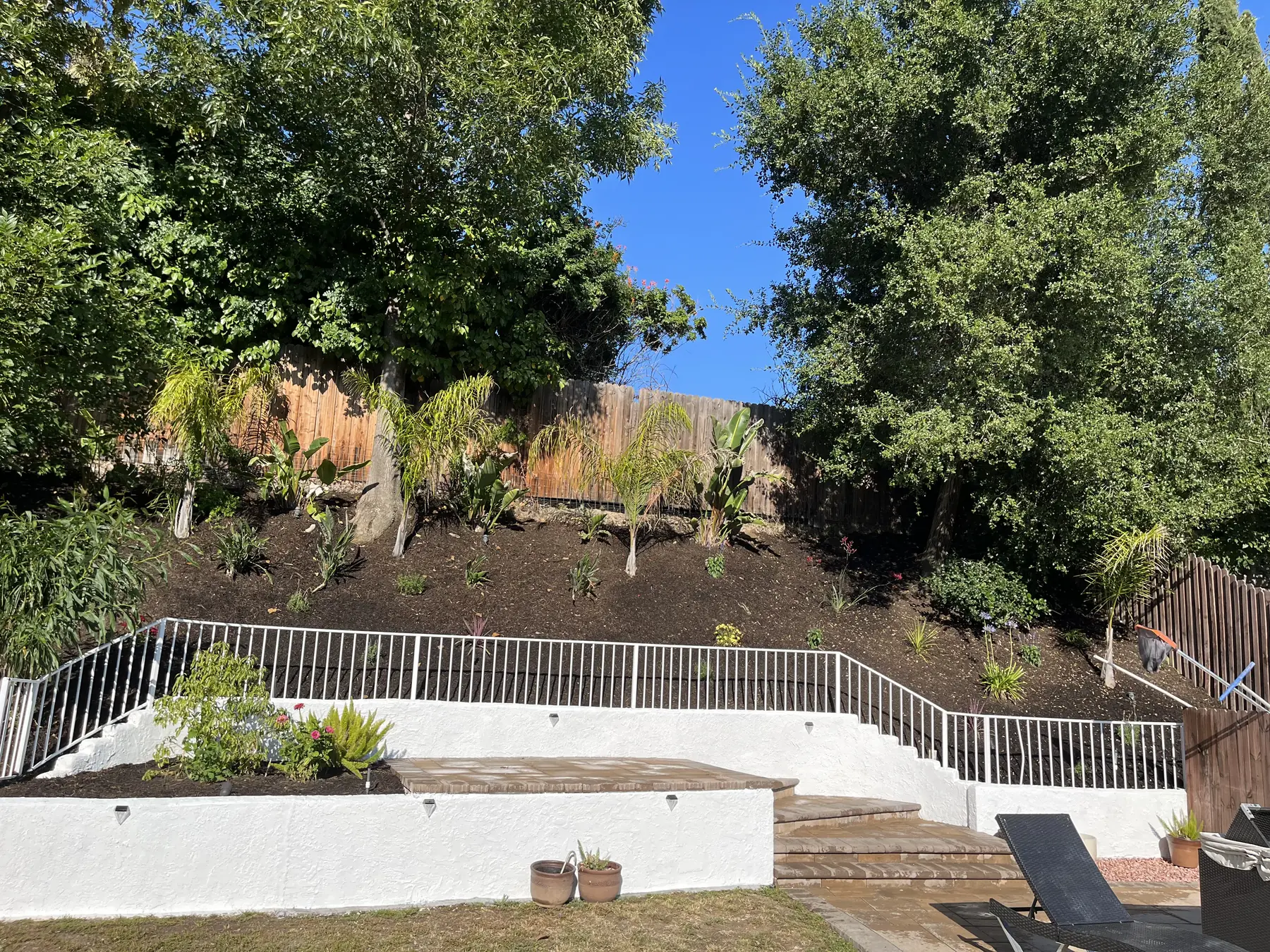
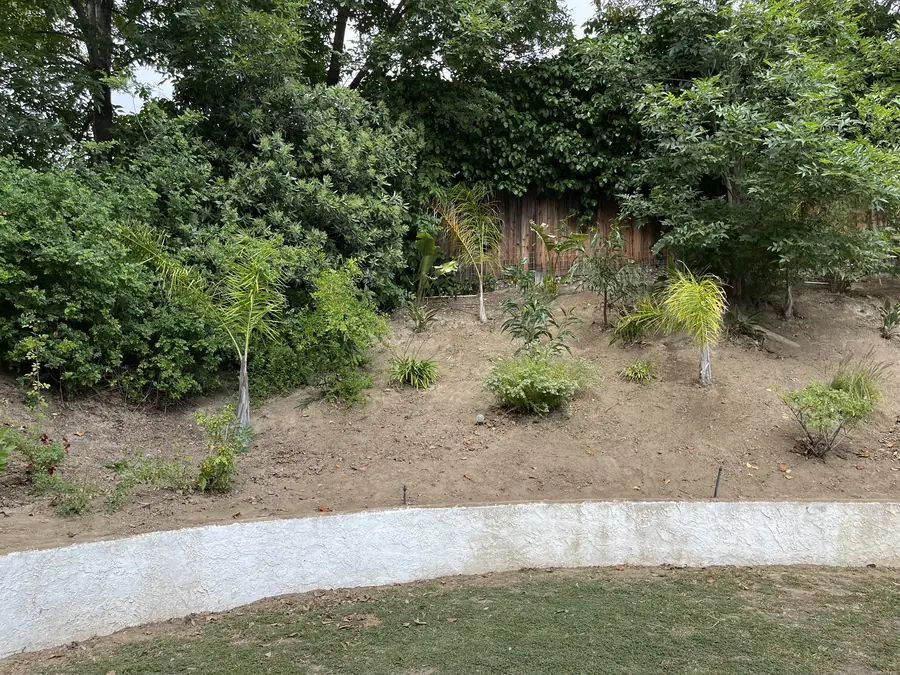
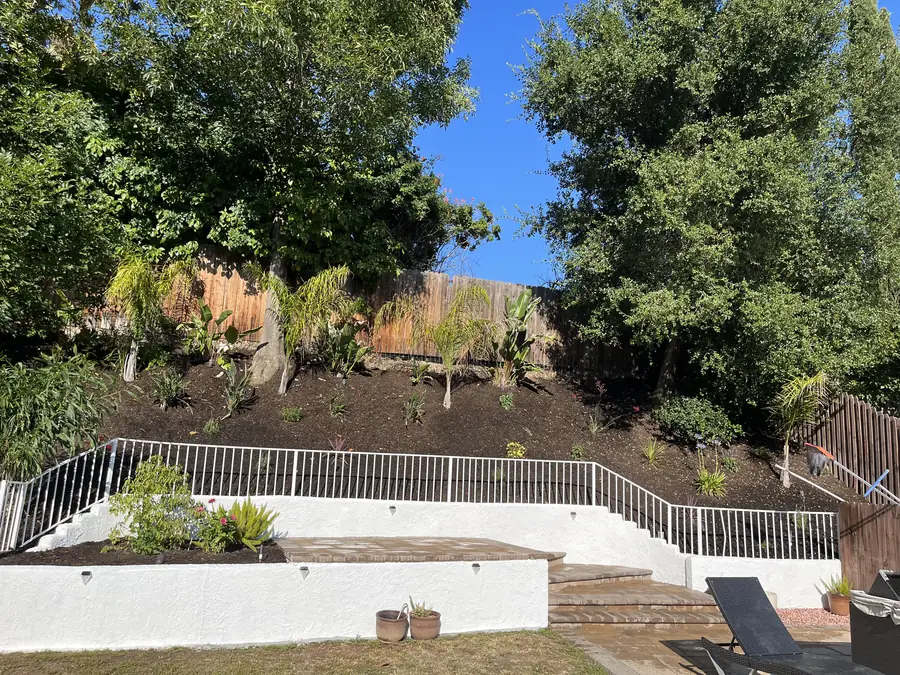
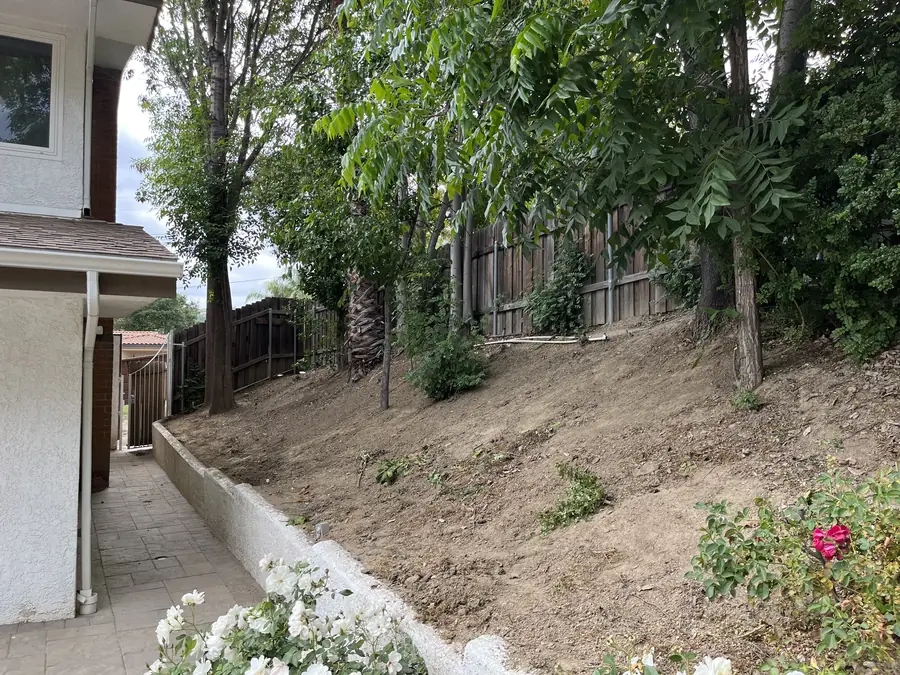
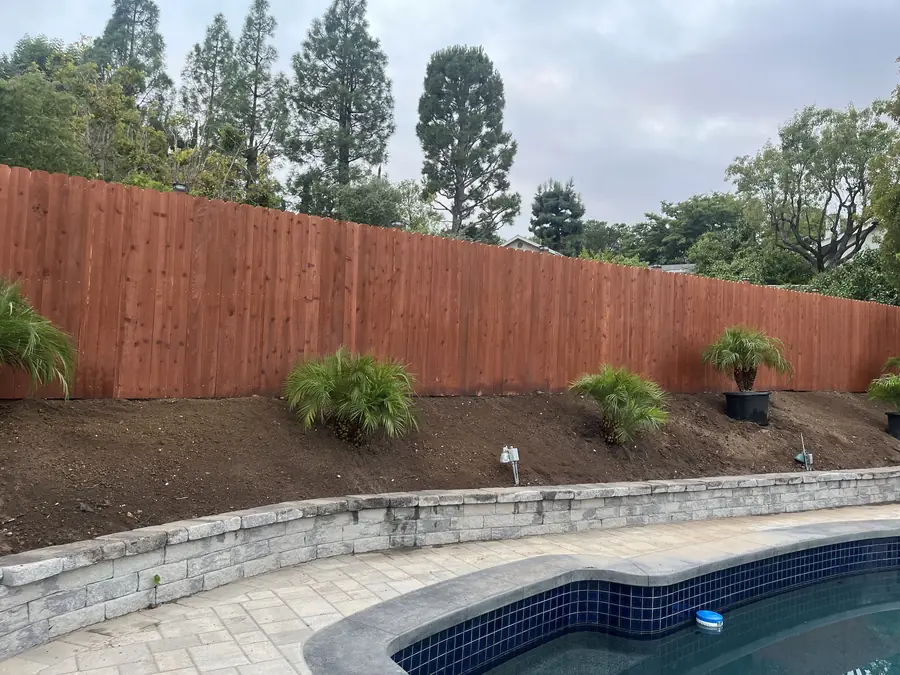
Yes. On the properties rising toward Mulholland they come up, and past a certain height they need a permit and an engineered design. Drainage behind the wall keeps it standing. We tell you which category your wall falls into before quoting.
Expansive clay. Encino soil moves with the seasons, and a rigid slab cracks with it, worse if it was poured thin with no steel. Proper depth, steel placement, and control joints steer where it cracks.
It will if nobody plans for it, since you are replacing absorbent ground with a shedding surface. We grade to fall away from the house and add drains where the volume needs them, and near oaks we keep water from constantly pooling at the root zone.
Both. Natural stone suits the established Encino look and reads as the real thing because it is. Stamped concrete is a lower-cost patterned option for larger areas, with the trade-offs of joint cracking and resealing. We show samples against the house.
Yes, all of it, written into the estimate. Near trees we demolish carefully to avoid root damage from equipment.
Concrete pavers and natural stone both handle the Valley sun. Color matters for comfort underfoot in summer, and the shade from mature Encino trees helps, which is one more reason to keep them healthy.
Up to you. Around an Encino pool a sealer helps the deck resist stains and sunscreen, and it wants redoing every few years. Shaded areas under the oaks rarely need it.
A modest patio is several days to about a week. A larger property with a pool deck, walls, and careful tree work takes longer, and we build the care around protected trees into the schedule.
Yes. We plan the whole layout once so grades, drainage, and materials still work together, then build in stages.
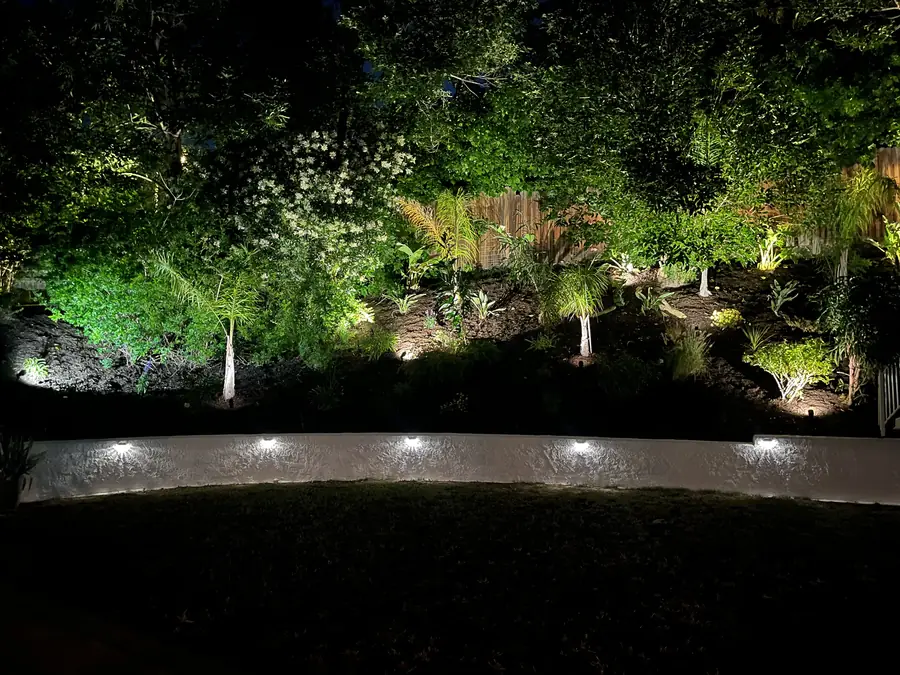
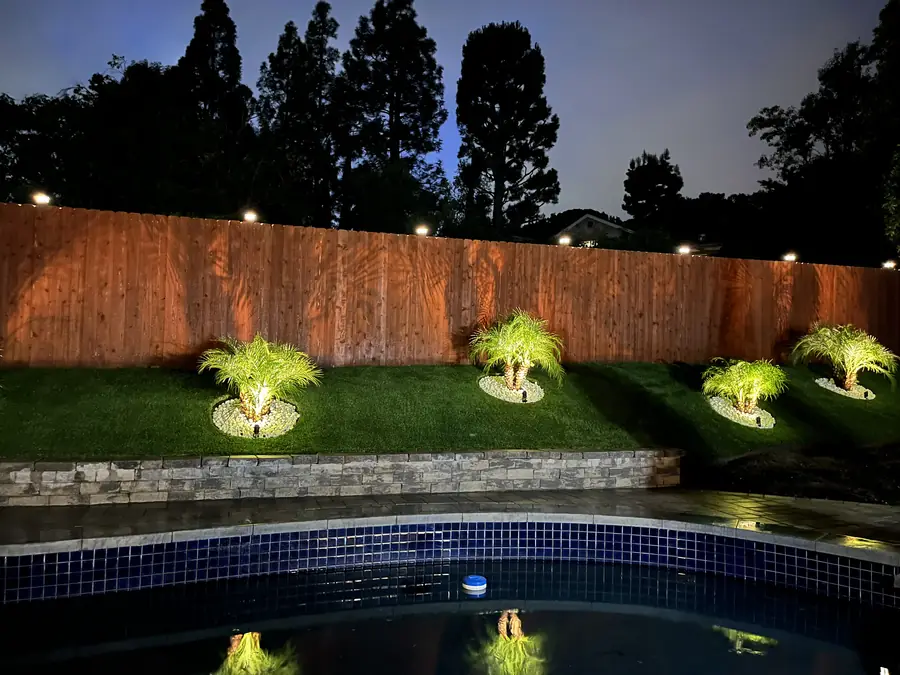
Yes, and on Encino properties it does a lot of work. Uplighting mature oaks at night is the best fixture money you can spend, and lighting the pool deck and steps goes in during the hardscape phase. See our lighting page.
All of it, on both sides of Ventura Boulevard and up into the hillside properties toward Mulholland. See our Encino page for everything we do here, and we cover the neighboring cities too.
We walk the property, identify the oaks and any slope, look at the drainage, and give you a written number. Request a free quote and we will arrange it.