
FAQ
Landscaping in Sylmar, answered
The questions we hear most from Sylmar homeowners.
Work runs in one order and skipping steps causes problems later. We clear and grade the site first, correct how water moves across the lot, then improve the soil. Irrigation lines and valves go in while the ground is still open. Trees are placed next because they are the largest and hardest to move, then shrubs, then ground cover. Mulch goes down last to lock in moisture and hold the soil. On Sylmar lots that slope toward the foothills, the grading stage carries more weight than anywhere else in the sequence.
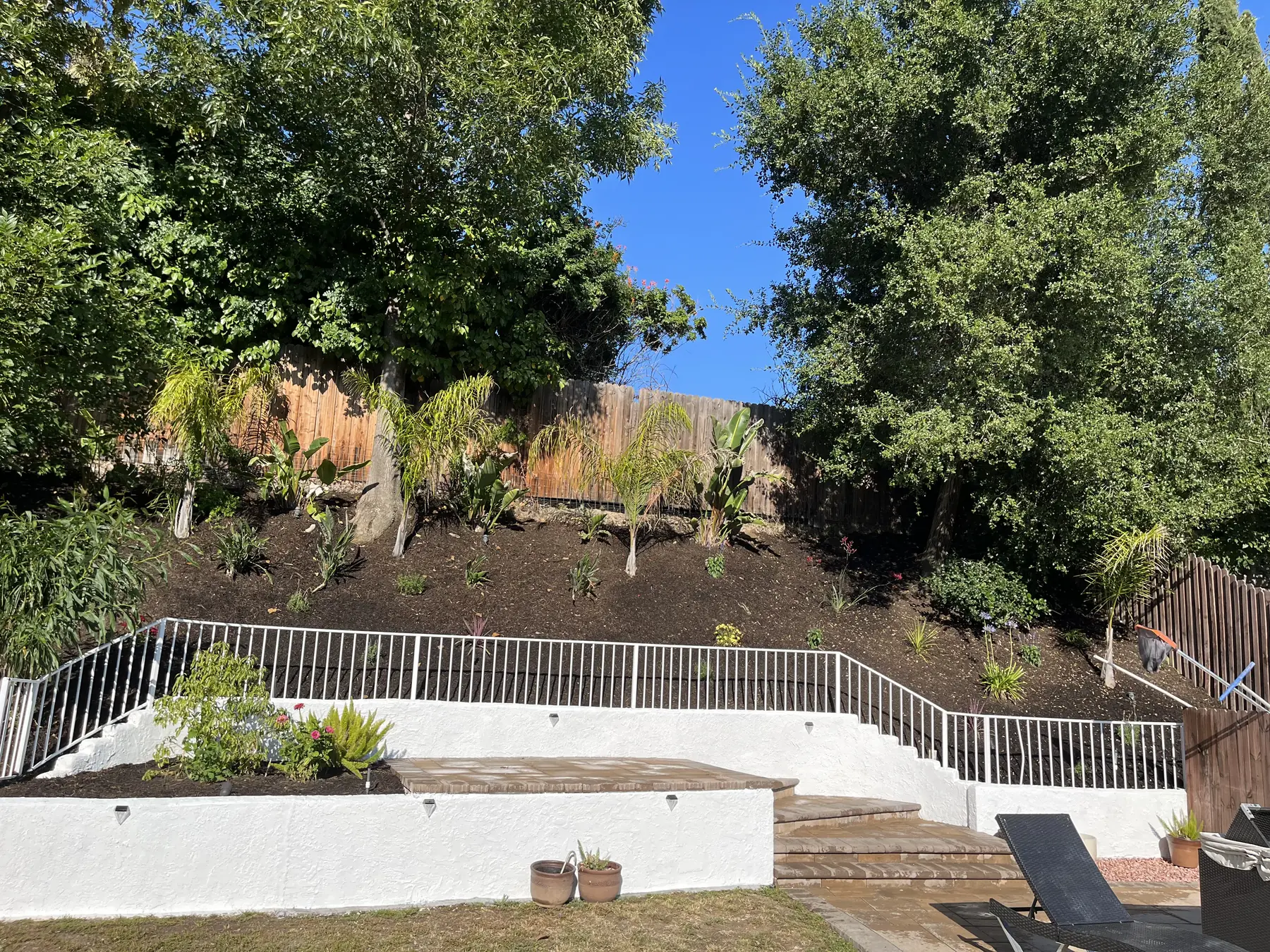
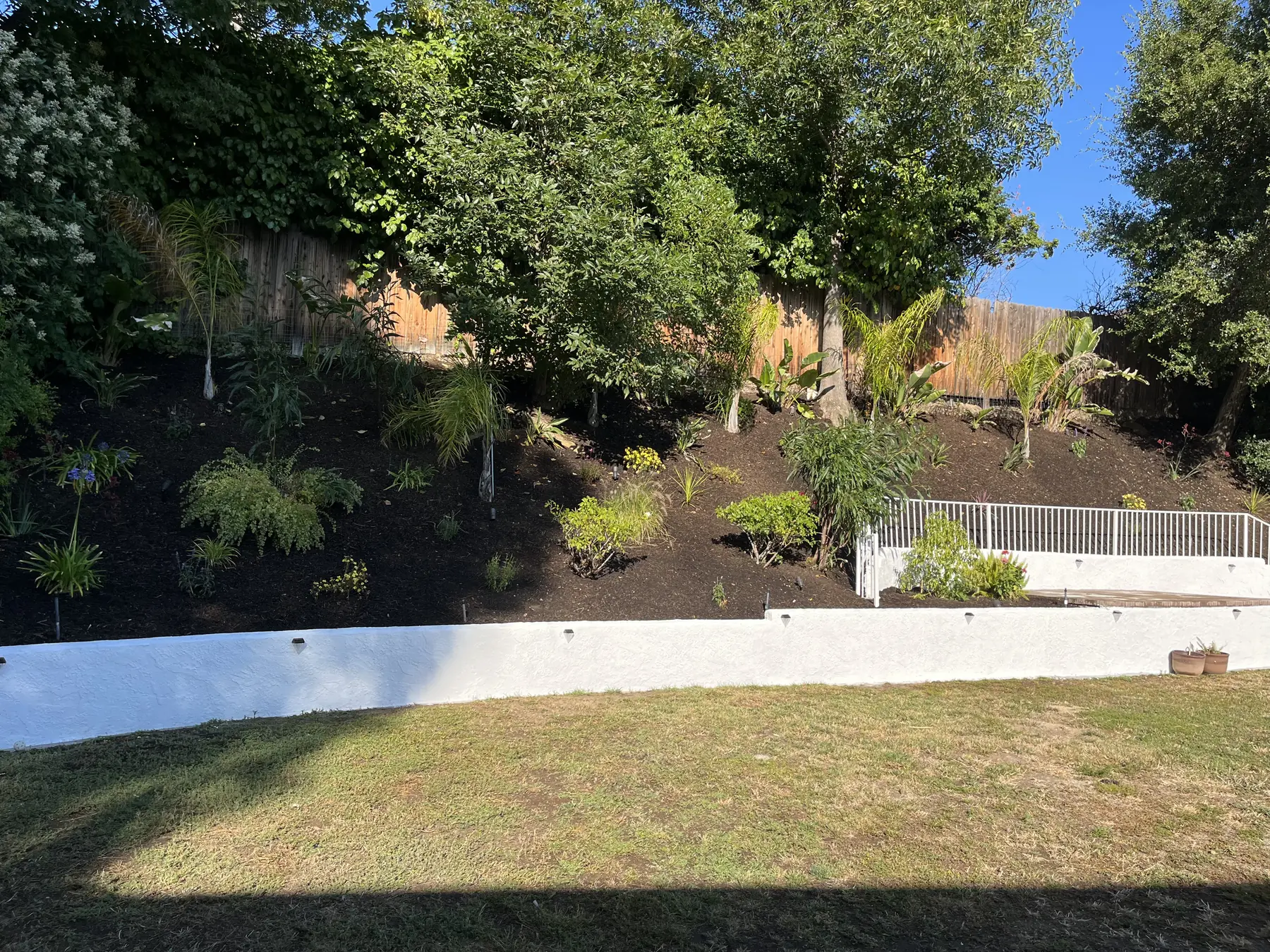
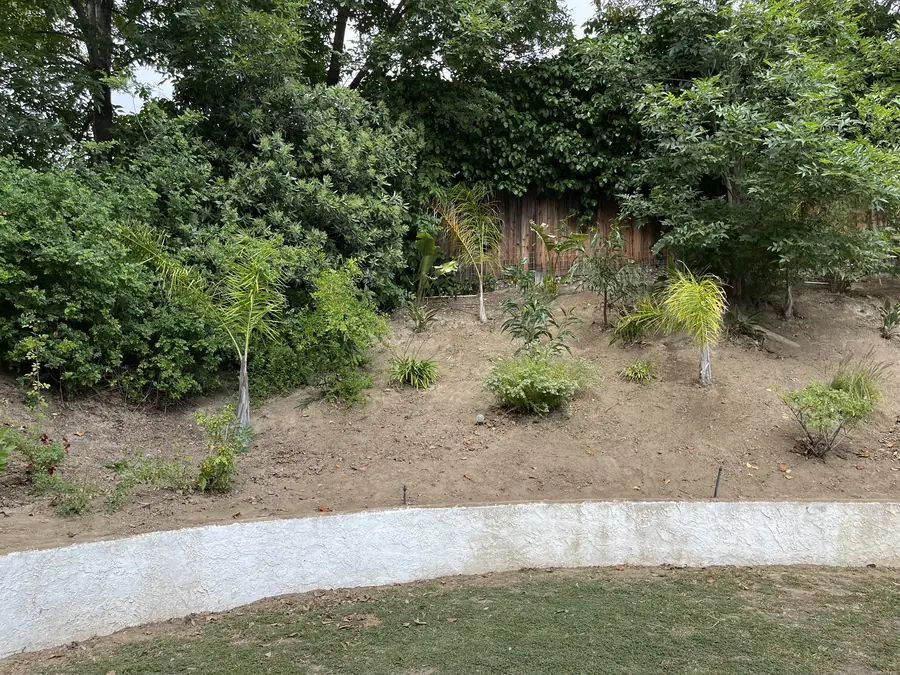
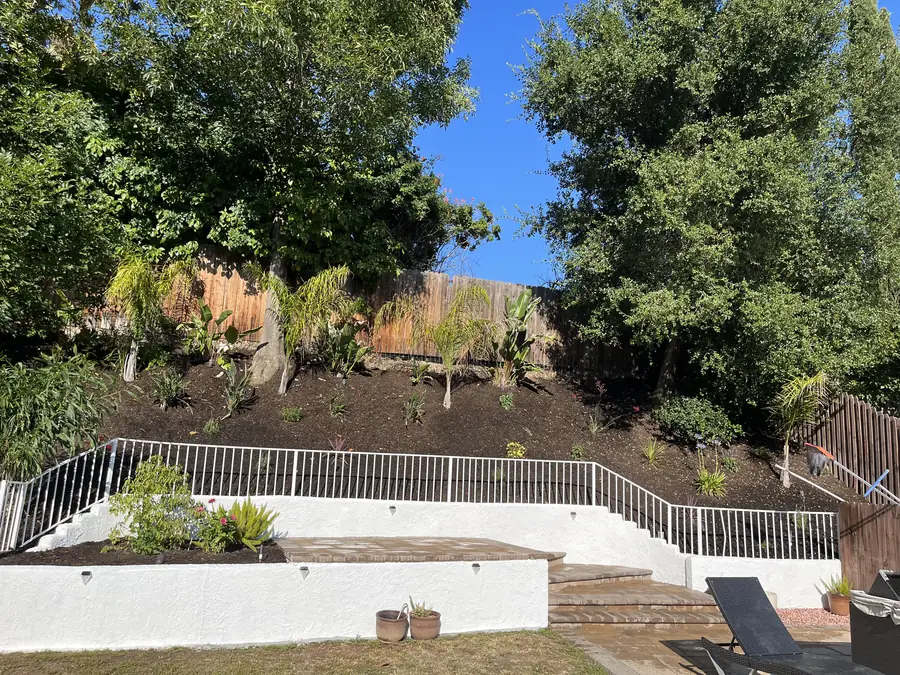
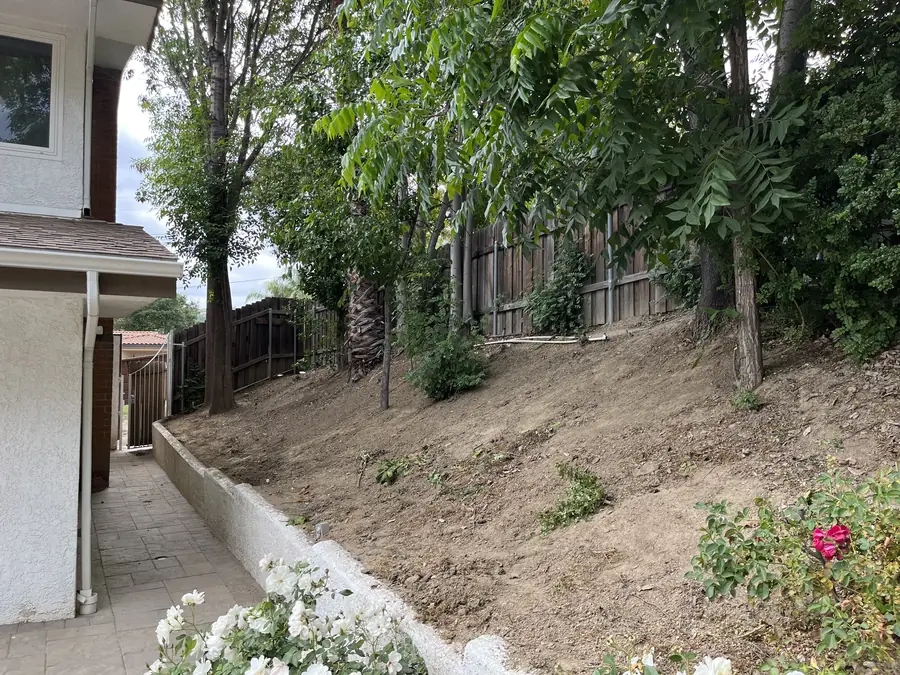
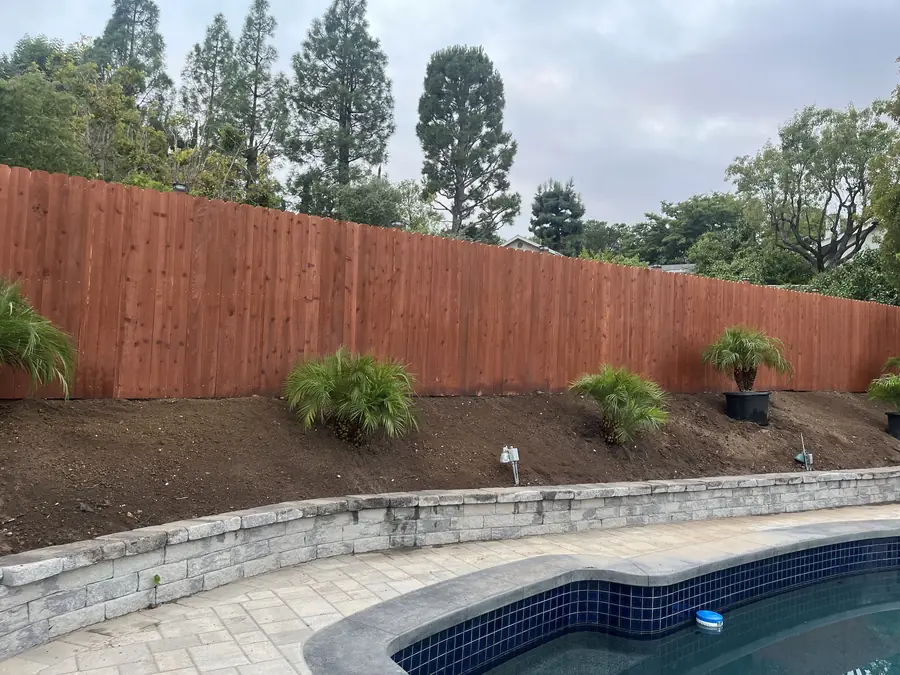
Rising ground turns every design decision into a water decision. On a sloping Sylmar lot we look at where runoff enters the property, where it collects, and where it needs to leave before we place a single plant. Terracing, planted swales, and a deliberate grade break can do most of that work quietly. Planting also gets divided by position, since the top of a slope dries out far faster than the bottom. Getting this right early means the yard holds together the first winter instead of moving downhill.
Yes, and we plan for it. The ground here is alluvial, washed down out of the mountains over a very long time, so cobble and larger rock turn up constantly once digging starts. Planting pits often need to be opened wider than the root ball to find real soil. Irrigation trenches sometimes have to be rerouted around a buried boulder rather than driven through it. None of that stops the project, but it does mean an experienced crew and the right equipment matter more on a Sylmar lot than on flat valley ground.
Fire wise planting comes down to what you plant, how far apart, and how close to the structure. We keep the zone nearest the house lean, using low growing, well irrigated, low resin plants and hard surfaces rather than dense shrub masses against the walls. Farther out, plants get grouped with real spacing between them so a fire has nothing continuous to climb. Dead material gets removed rather than left as fuel. In Sylmar this is not a style preference, it is a practical safety consideration for the whole property.
Wind is the reason a lot of new trees in this area fail. Sylmar catches strong seasonal gusts funneling through the pass, so young trees need proper staking with room to flex, and they need that staking removed once the trunk has built strength. We favor species with flexible wood and open canopies that let air pass instead of catching it like a sail. Anything tall or built above fence height, including trellis work and shade structures, gets anchored with that exposure in mind rather than treated as decoration.
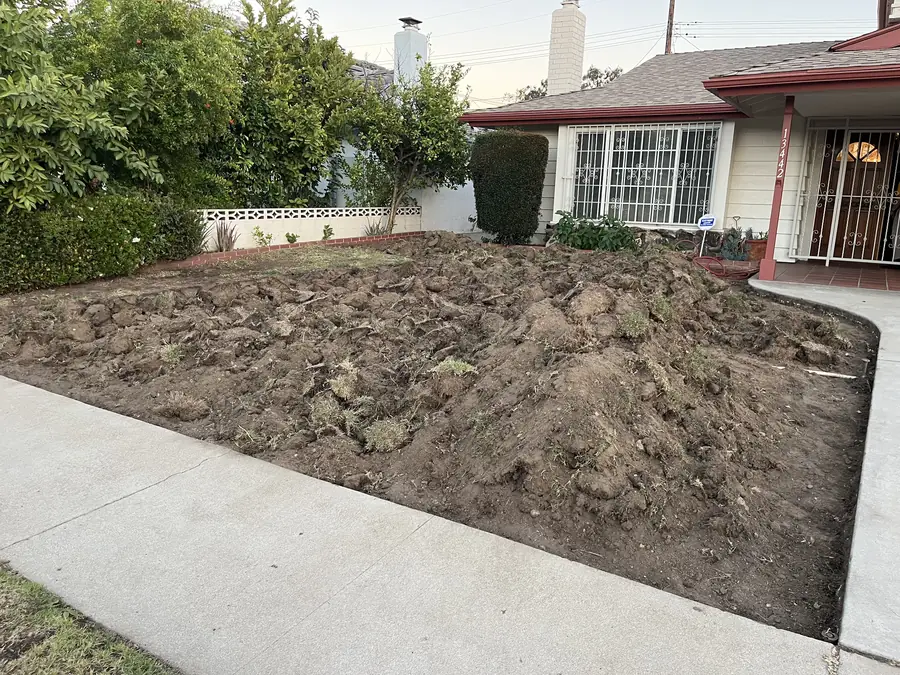
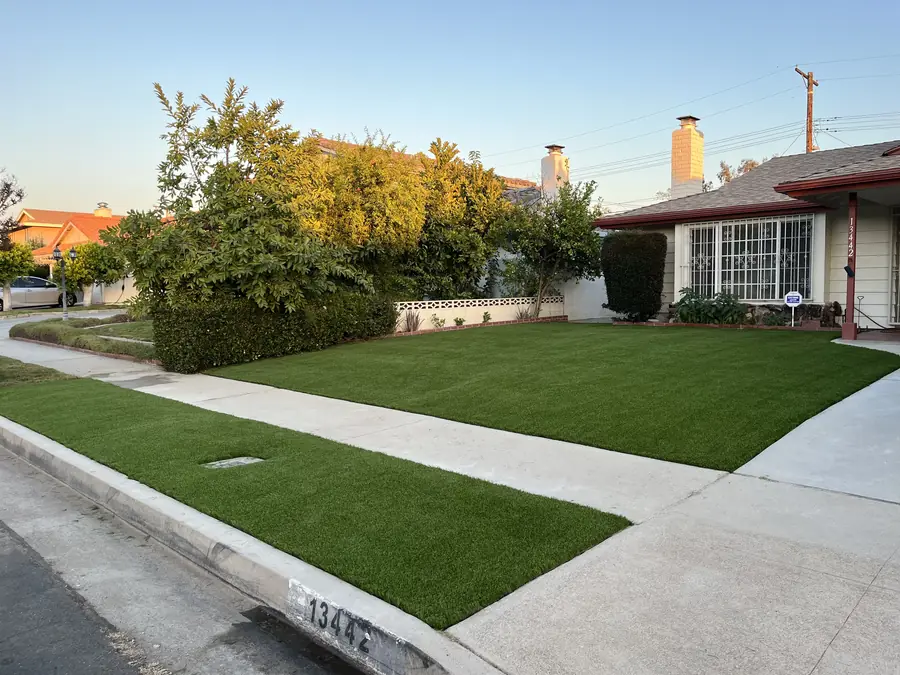
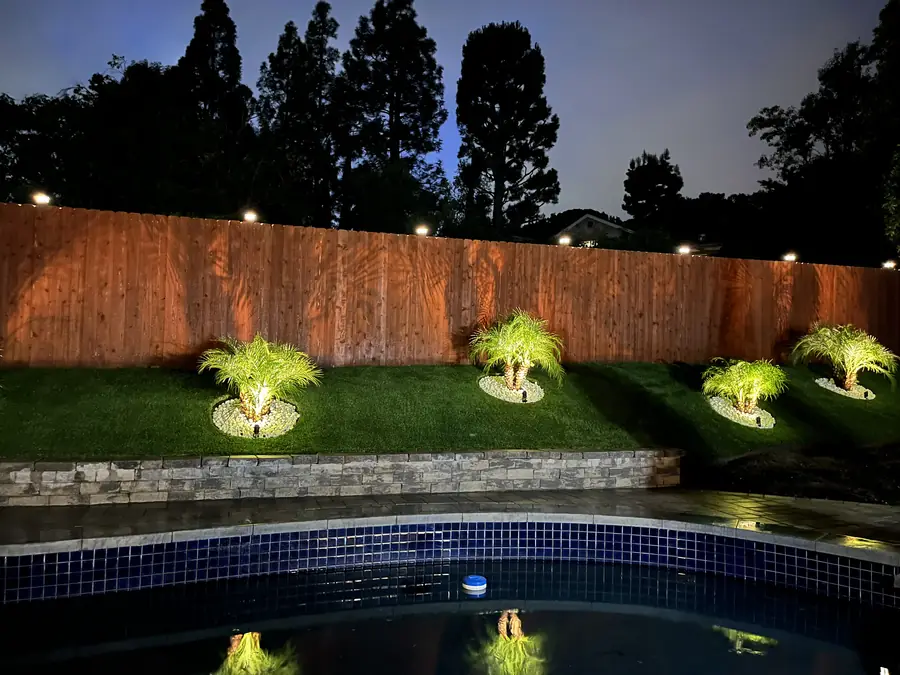
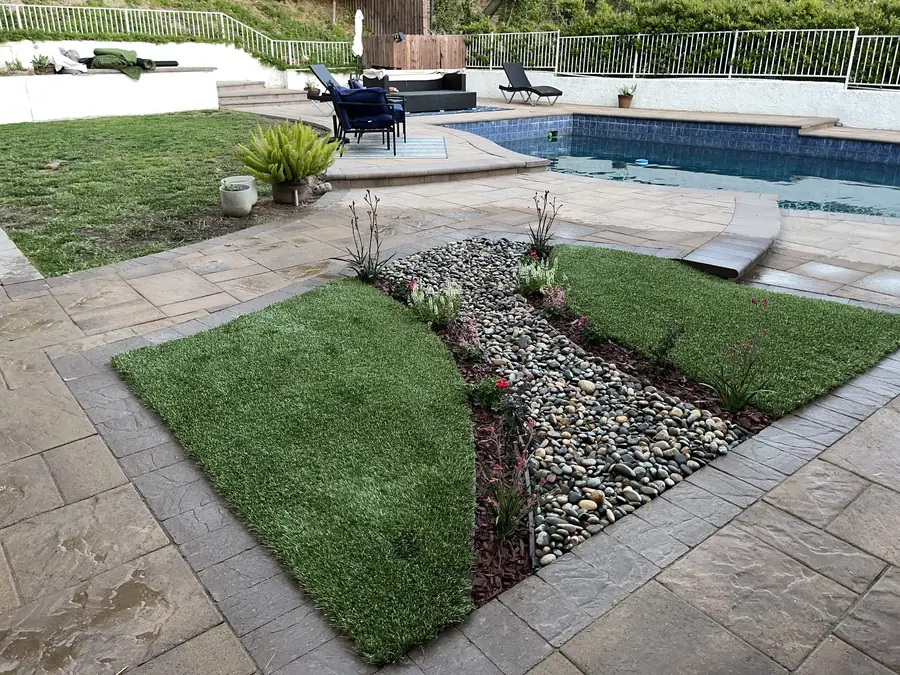
It depends on how the space gets used and where it sits on the lot. Real lawn wants regular water and a level, usable area, which is harder to justify on a dry sloping Sylmar parcel. Artificial turf holds a green play surface with no watering and works well for dogs and kids. Drought tolerant planting suits the larger outlying areas of a bigger parcel, where irrigating everything makes no sense. Many yards here end up with a mix, a compact turf or lawn area near the house and drought tolerant planting beyond it.
Sylmar is part of the City of Los Angeles, so anything permit related goes through Los Angeles Building and Safety rather than a separate city hall. Straight planting, soil work, mulch, and irrigation replacement generally do not trigger a permit. Structural items are different. Retaining walls above a certain height, electrical, gas, and covered structures fall under permitting. We tell you up front which parts of your Sylmar plan are permit work and which are not, so nothing gets built that has to be undone later.
Fast draining ground is common here because the soil is coarse and alluvial. Water disappears before roots take much of it, so we build water holding capacity back in. That means compost and amendment worked into the planting areas rather than a thin layer scratched on top, planting basins that hold water long enough to soak down, and a solid mulch layer to slow evaporation. Irrigation gets set to run shorter cycles more often, since one long soak simply drains past the root zone on a Sylmar lot.
Horse keeping properties are common in Sylmar and they change the layout. Traffic routes, footing areas, and access for trailers and deliveries get mapped before planting so nothing decorative sits where a horse or a truck needs to pass. We keep planting that horses should not reach out of range, and we separate the irrigated ornamental areas from the working areas so watering does not turn footing into mud. The result is a yard around the house that looks finished without interfering with how the property actually operates.
Grade gets established before anything permanent goes down, because correcting it afterward means tearing out finished work. On a Sylmar hillside we set positive fall away from the house, break long slopes so water loses speed, and give collected water a defined path off the property. Where surface grading alone will not carry it, drains and a solid outlet go in while the ground is still open. Planting then follows the grade rather than fighting it, which is the difference between a slope that stays put and one that keeps eroding.
Usually yes, once we see what is there. We check pressure, valve condition, and whether the existing zones actually cover what you want to keep. New planting rarely fits neatly onto old spray zones, so drip lines for shrubs and trees often get added on their own valve. Grouping plants by water need matters more in Sylmar than in most places, because the soil drains fast and mixing thirsty and dry plants on one zone guarantees that half of them are being watered wrong all season.
Trees here have to tolerate three things at once, coarse fast draining soil, real wind, and dry heat. We lean toward species with deep rooting habits, open branching, and low water demand once established, and we place them where they will not become a fuel path toward the house. Rocky ground means the planting hole often has to be opened wider than usual to give roots a fair start. Planting something suited to a shaded valley floor lot on an exposed Sylmar slope is how people end up replacing it.
Mulch does more work in Sylmar than in most yards. It slows evaporation on soil that already drains quickly, keeps root zones cooler through the hot months, and holds surface soil in place when wind and rain arrive. Depth matters, since a thin scattering breaks down and disappears within a season. It also gets kept back from trunks and away from the immediate area against the house, which matters where fire clearance is a genuine concern. Expect to top it up periodically as it breaks down into the soil.
One licensed contractor, every time. Daniels Landscaping stays accountable for the work. The people who grade your Sylmar lot, run the irrigation, set the trees, and finish the planting all work for us, they answer to us, and they are the same faces you see from the first day to the last. That is how the standard stays consistent across a whole job and how questions get answered on the spot instead of routed through another company. It also means there is one point of accountability when you have something to say.
Phasing works well and we plan for it deliberately. The one rule is that grading, drainage, and any irrigation mainline crossing the property gets thought through for the whole lot at the start, even if only the front gets built now. Sleeves go under new surfaces so the later phase does not require cutting into finished work. On larger Sylmar parcels phasing is often the sensible route, since doing an entire property in one pass is more than many owners want to take on at once.
The first rain is the real test on foothill ground. We make sure grades are set to move water where we want it before planting goes in, use mulch heavy enough to shield bare soil, and put erosion control on the steeper faces until roots take hold. Ground cover gets planted at spacing that closes in quickly rather than leaving open dirt for a year. Where water concentrates, we give it a hard bottom path instead of hoping planting alone will hold it back.
The first season carries the most attention. New planting needs consistent water while roots establish, and on fast draining Sylmar soil that means confirming the controller schedule is actually keeping the root zone moist rather than sending water straight past it. After that, upkeep settles into pruning, refreshing mulch, adjusting irrigation as plants fill in, and keeping dead material cleared, which doubles as fire clearance here. We walk you through the controller and the plant list at the end so you are not guessing about what needs what.
Call Daniels Landscaping at (818) 443-9300 and we will set a time to walk your Sylmar property. We look at the slope, the soil, the exposure, and how you want to use the space, then put together a free written estimate that lays out scope and materials in plain language. There is no charge and no obligation attached to it. We are licensed in California under number 1138709, and the same one licensed contractor we send out to look at the yard is the one that will build the project.